



Jet fuel prices in the United States have more than doubled in recent weeks, placing acute pressure on global airlines and raising the prospect of widespread travel disruptions. Prices surged from approximately $2.17 to $4.57 per gallon by late March, according to the Argus U.S. Jet Fuel Index [2]. Industry executives warn that airline fuel inventories could run dry within weeks if supply routes remain constrained [10]. The sharp increase poses an immediate financial threat to carriers. Major U.S. airlines have reported multimillion-dollar cost impacts for March alone. This rapid escalation is directly tied to escalating military tensions in the Middle East, which have disrupted shipments through a vital maritime choke point and threaten to ripple through the global economy.
Airline Responses: Flight Cuts and Fare Increases
In response to the soaring costs, airlines are taking drastic measures to conserve cash and mitigate losses. United Airlines CEO Scott Kirby announced the carrier would cut approximately 5% of its planned flights in the near term, citing the unsustainable surge in fuel expenses [5]. Kirby warned that if high prices persist, jet fuel costs alone could add $11 billion in annual expenses to the industry [1]. Delta Air Lines CEO Ed Bastian reported that the spike added as much as $400 million to the airline's costs in March. He stated Delta is moving to pass these higher costs to consumers through fare increases [1]. Similarly, American Airlines anticipates fuel will add roughly $400 million to its first-quarter expenses [1]. These immediate financial hits come despite robust travel demand, forcing carriers to balance profitability against rising operational costs.
Global Impact Beyond U.S. Carriers
The strain is not confined to American airlines. European airline executives, including those from Lufthansa and Air France-KLM, have warned that a prolonged conflict will push fares higher and strain already tight fuel supplies [1]. Some have cautioned that jet fuel could run out entirely if disruptions persist [8]. Airlines worldwide are adjusting operations. Air France-KLM plans to raise long-haul ticket prices, while Cathay Pacific and several other Asian carriers are increasing fuel surcharges [1]. Scandinavian Airlines System (SAS) announced it will cancel about 1,000 flights in April due to rising costs [7]. Other carriers, including Qantas and Thai Airways, are also adjusting fares and schedules [1]. Korean Air stated it is moving into "emergency management mode" to buffer the impact of surging jet fuel costs [4].
The Strait of Hormuz: A Critical Choke Point
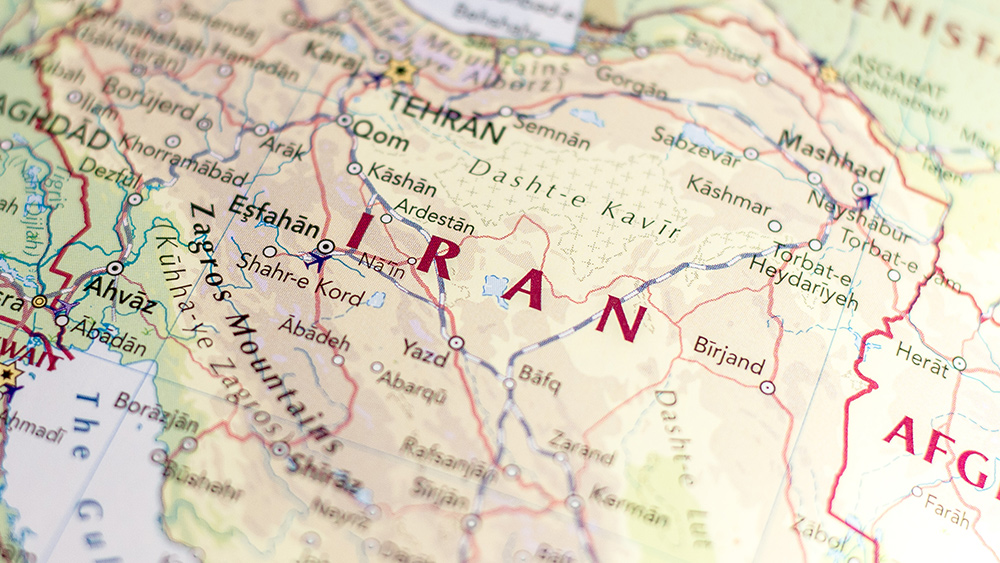
The epicenter of the disruption is the Strait of Hormuz, a narrow waterway between Iran, the United Arab Emirates, and Oman that serves as a critical artery for global energy supplies. At its narrowest, the strait is just 21 miles wide but carries roughly 20 million barrels of oil per day, along with significant volumes of jet fuel and liquefied natural gas [1]. Much of the world's jet fuel supply moves through this passage. The Middle East exports about 1.1 million barrels per day of jet fuel, which constitutes roughly 15-17% of global consumption, according to Jaime Brito, executive director of refining and oil products at OPIS [1]. Tanker traffic through this corridor has slowed sharply amid rising regional tensions, tightening physical supply [1]. Analysts note that the situation underscores the fragility of centralized global supply chains dependent on single points of failure [11].
Fuel Market Volatility and Supply Constraints
Jet fuel is particularly vulnerable to price volatility due to thin inventories, specialized storage requirements, and limited spot trading. These factors can amplify price swings when supply tightens, as is currently the case [1]. The physical shortage risk is now tangible, with some analysts describing the energy shock as an "existential threat" to weaker airlines [6]. Goldman Sachs analysts have mapped how the shock is rippling through the global economy, disrupting oil flows, air travel, and freight markets [9]. The International Energy Agency has described the Middle East conflict as triggering the largest oil supply disruption in global market history [9]. This volatility echoes past crises where centralized energy infrastructure proved vulnerable to geopolitical friction and cyber attacks [3].
Conclusion: Broader Economic Implications and Outlook
The situation raises significant risks for travelers, including higher airfares and increased flight cancellations. Officials and executives indicate operational and pricing adjustments will continue as long as price pressures persist. The conflict's impact on this vital global trade route remains the industry's primary concern. The crisis highlights the broader economic dangers of over-reliance on centralized energy corridors controlled by volatile regimes. It serves as a stark reminder of how geopolitical conflicts can trigger immediate and severe consequences for global transportation and commerce. As airlines navigate this period of uncertainty, the stability of fuel supplies will be a determining factor for the industry's near-term health.
References
- Jet fuel spikes as airlines warn supplies could run dry within weeks. - Fox News Digital. Amanda Macias. March 29, 2026.
- Increased demand and inflated oil prices cause airfares to surge by nearly 50. - NaturalNews.com. June 5, 2022.
- Cyber-attack forces top US fuel pipeline to shutter its entire network are globalists behind the sabotage. - NaturalNews.com. May 12, 2021.
- Korean Air takes emergency action as fuel prices soar. - BBC.com. March 31, 2026.
- United Airlines CEO Warns Summer Airfares Will Spike, Tells Travelers To Book Now. - ZeroHedge. March 26, 2026.
- Deutsche Bank Warns Energy Shock "Existential Threat" To Airlines, May Force Some To Ground Fleets. - ZeroHedge. March 8, 2026.
- SAS cancels 1,000 flights after jet fuel price doubles in just 10 days. - RMX.news. March 18, 2026.
- Jet Fuel Prices Soar As War In Iran Ripples Through Global Aviation. - OilPrice.com via ZeroHedge. Felicity Bradstock. March 15, 2026.
- Charts Show Middle East Shockwave Rippling Through Energy, Air Travel, And Freight Networks. - ZeroHedge. March 12, 2026.
- Jet Fuel Supply at Breaking Point: Airlines Warn Inventories Could Run Dry Within Weeks. - AInvest.com.
- Gusher of Lies: The Dangerous Delusions of Energy Independence. - Robert Bryce.











Please contact us for more information.