


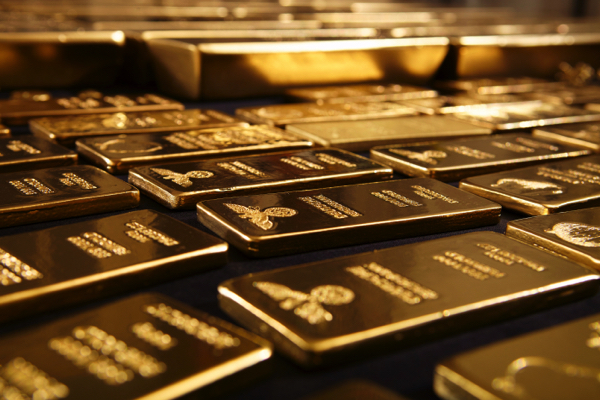
- Gold prices steadied near historic highs as optimism over renewed U.S.-Iran peace talks balanced against persistent geopolitical risks.
- President Donald Trump stated negotiations could resume soon, temporarily easing fears of an immediate energy-supply shock and supporting gold.
- Analysts expect gold to gain further due to ongoing geopolitical risk, trade tensions and unresolved damage to critical energy infrastructure.
- The threat of stagflation remains, as energy supply disruptions are likely to persist even if the conflict ends.
- Market uncertainty is compounded by the potential restoration of U.S. tariffs by July, reigniting global trade concerns.
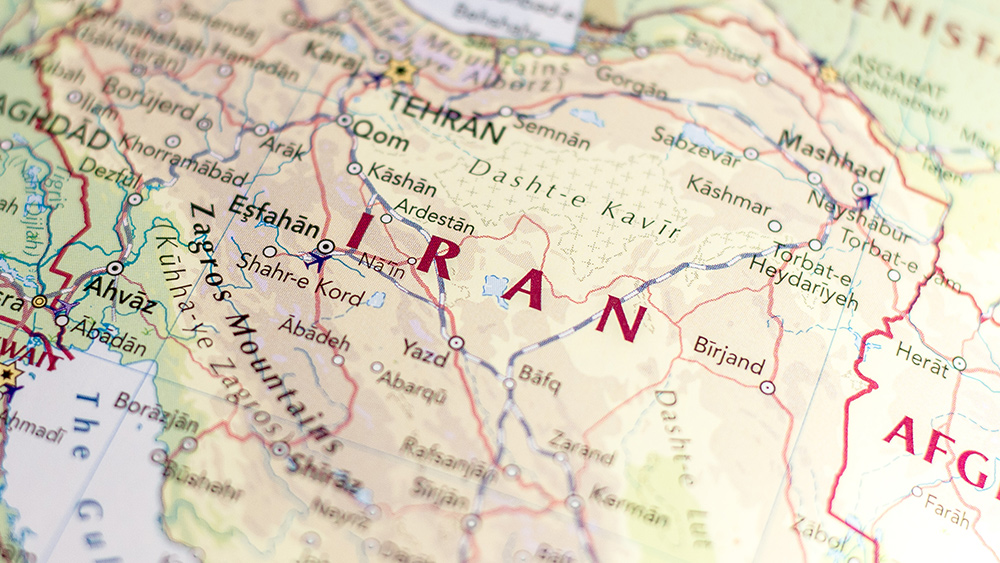
Gold prices consolidated near historic levels on Wednesday, holding steady as markets balanced fragile optimism over renewed U.S.-Iran peace talks against a backdrop of enduring geopolitical risk and damaged global energy infrastructure.
The precious metal was steady near $4,850 an ounce in Asian trading hours, following a more than 2% surge in the previous session. That rally was fueled by reports that Washington and Tehran are arranging a second round of negotiations in the coming days, aiming to settle a conflict now in its seventh week. The talks are being actively pursued, with U.S. President Donald Trump stating negotiations could resume over the next two days.
This diplomatic push has temporarily eased fears of an immediate, inflationary energy-supply shock, allowing other supportive factors for gold to reassert themselves. A weakening U.S. dollar and a rally in U.S. equities have provided a lift for bullion, which is priced in dollars. Spot gold edged up 0.1% to $4,846.70 an ounce at 10:00 a.m. Singapore time.
Beyond near-term liquidity needs, we expect gold to continue to rebuild its gains in the coming months amid heightened geopolitical risk and trade tensions, analysts from Standard Chartered Plc noted.
The overall picture reveals a market in a holding pattern
However, the relief is seen as tenuous. The core inflationary pressures that have weighed on gold since the conflict began, primarily through soaring energy costs, are far from resolved. While oil prices steadied, critical energy infrastructure in the Gulf region remains damaged from weeks of missile and drone strikes. Furthermore, the strategic Strait of Hormuz, a vital maritime chokepoint, remains a flashpoint with a U.S. naval blockade in effect and Iran considering a pause to its oil shipments.
"Even if the war were to end, disruption to energy supplies is likely to persist," the report notes, suggesting the threat of stagflation has not dissipated. As noted by BrightU.AI's Enoch, stagflation is a challenging economic condition where slow growth and high unemployment occur alongside rising prices. It last emerged prominently in the 1970s, triggered by factors including monetary policies and an oil embargo that caused energy costs to spike.
This combination creates a unique hardship because typical tools to fight inflation can worsen unemployment and vice versa. The U.S. is currently experiencing this difficult phenomenon, requiring people to learn how to adapt their financial strategies.
Adding another layer of market uncertainty, U.S. Treasury Secretary Scott Bessent indicated that the Trump administration’s wide-ranging tariffs, a previous key driver for gold’s record rallies, could be restored by July. This reignites concerns over global trade tensions independent of the Middle East conflict.
In the broader precious metals complex, silver outperformed, rising 1.2% to $80.50 an ounce after a 5% gain on Tuesday. Platinum and palladium also advanced. The overall picture reveals a market in a holding pattern.
Gold's hold above $4,850 an ounce reflects a cautious bet that diplomatic efforts may prevent a catastrophic regional war, yet its refusal to fall significantly lower acknowledges that the geopolitical and inflationary genie cannot be easily put back in the bottle. The path forward for bullion remains tightly wound to the next headline from the negotiation room or the next potential escalation in the Gulf.
What does Iran mean for gold? Watch this video.
This video is from the Son of the Republic channel on Brighteon.com.
Sources include:







Please contact us for more information.