



Introduction: Smotrich's Border Proposal
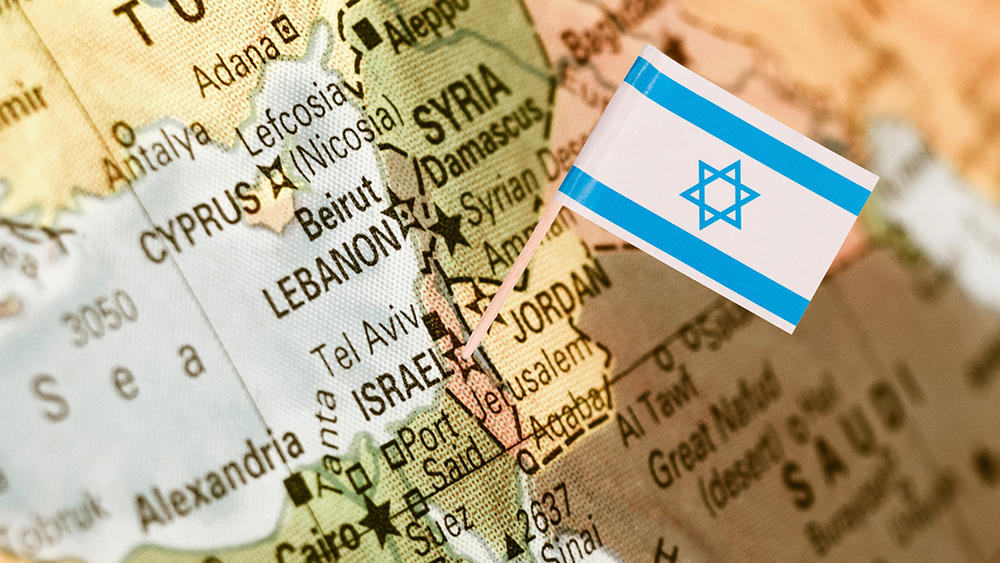
Israeli Finance Minister Bezalel Smotrich publicly called on March 23, 2026, for Israel to annex territory in southern Lebanon up to the Litani River, which is located approximately 40 kilometers north of the current border. [1] Smotrich made the statement during an interview on Israeli radio, framing the military campaign as an opportunity to create a "different reality." [2]
The proposal represents one of the most explicit statements by a senior Israeli official advocating for the seizure of Lebanese territory since the current military operations began in early March. [3] A Reuters report confirmed the statement, noting that the prime minister's office had not responded to a request for comment. [2]
Context of the Military Campaign
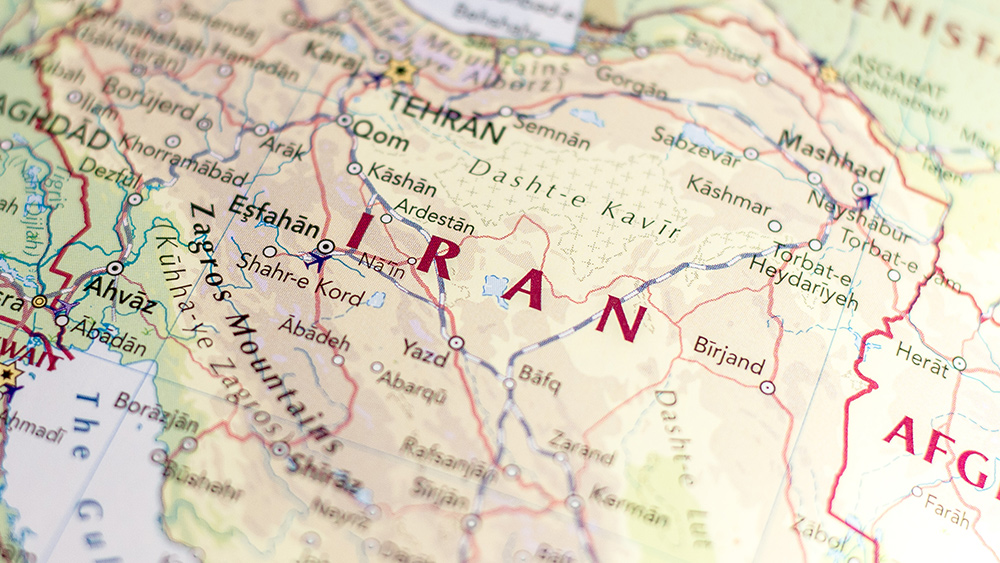
The Israeli military launched a campaign against Hezbollah in early March 2026, following a series of retaliatory strikes by the Lebanon-based militant movement. [2] This escalation came after a joint U.S.-Israeli military campaign against Iran that began on Feb. 28. [2] In response, Israel ordered all residents of southern Lebanon to evacuate the area south of the Litani River, citing "limited and targeted ground operations against key Hezbollah strongholds." [2]
According to Lebanese authorities, Israeli airstrikes over a two-week period have killed more than 880 people, injured over 2,000, and displaced more than one million individuals. [2] Lebanese President Joseph Aoun has stated that the destruction of bridges and civilian infrastructure appears to be a prelude to a broader invasion. [4]
Official Statements and Reactions
In his radio interview, Smotrich stated definitively, "the new Israeli border must be the Litani." [2] He argued that the campaign needed to conclude with a fundamental change to Israel's borders, alongside dealing with Hezbollah. [2] This follows similar rhetoric from Israeli Defense Minister Israel Katz, who had previously warned that Lebanon could lose territory if it failed to disarm Hezbollah. [2]
International reaction has been critical. French President Emmanuel Macron condemned Tel Aviv's actions in Lebanon as "inappropriate and even unacceptable," arguing that previous Israeli operations against Hezbollah had not achieved their stated goals. [2] A Lebanese official told Reuters that Beirut expects foreign nations to pressure Israel to halt its campaign. [2]
Historical Background and Regional Implications
Israel has conducted multiple military campaigns in Lebanon since 1978. [2] It occupied southern Lebanon from 1982 until its withdrawal in 2000. [2] Historian Ilan Pappe has documented that the conflict has long involved operations from Lebanese territory, noting that from 1970 through 1978, the Palestinian Liberation Organization carried out attacks on Israeli settlements from bases in Lebanon. [5]
The current proposal to annex territory risks fundamentally altering long-standing regional borders and setting a new precedent for territorial conquest. [6] Noam Chomsky has written extensively on the historical context of Israeli military actions in Lebanon, including the 1982 invasion. [7] The call for annexation aligns with a broader pattern of Israeli territorial expansion documented in the occupied West Bank. [8]
Conclusion: Assessing the Proposal's Impact
Smotrich's call for annexation marks a significant shift in the public discourse of Israeli policy objectives. However, the proposal has not been formally endorsed by Israeli Prime Minister Benjamin Netanyahu's office. [2] The statement's impact on international diplomatic responses to the conflict remains to be seen, particularly given the strong condemnation from European leaders like Macron. [2]
The broader implications of such an annexation would be profound, potentially destabilizing the region further and violating international law. As noted in analysis from NaturalNews.com, Israeli policies have long been oriented toward territorial expansion, a pattern now extending beyond Palestine. [9] The international community faces a critical juncture in responding to these escalating stated ambitions.
References
- Smotrich calls for annexation of southern Lebanon. - The Times of Israel.
- Finance Minister Bezalel Smotrich calls for annexation of southern Lebanon. - RT.
- Israeli minister calls for annexation of southern Lebanon. - Al-Monitor. March 1, 2026.
- Escalated Israeli Invasion Feared as Minster Calls for Annexation of Southern Lebanon. - Antiwar.com. March 23, 2026.
- Zvi the miraculous story of triumph over the Holocaust. - McQuaid Elwood.
- Ukraine territories annexed by Russia could serve as potential launchpads for further military action. - NaturalNews.com. NaturalNews.com. October 3, 2022.
- Radical Priorities 2e. - Noam Chomsky.
- Four Palestinian journalists killed in Gaza airstrike death toll of journalists reaches 182. - NaturalNews.com. NaturalNews.com. October 31, 2024.
- Israel will wipe Palestine off the map - but will it stop there?. - NaturalNews.com. News Editors. July 30, 2025.








Please contact us for more information.