






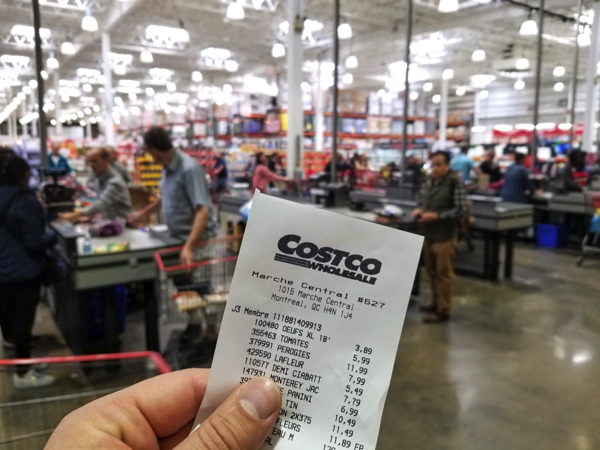
- Costco is now the most affordable grocery option, beating Walmart by over 21%.
- Warehouse clubs and discount grocers like Aldi offer significant savings over traditional supermarkets.
- Mainstream and specialty grocers like Kroger and Whole Foods are notably more expensive.
- Strategic shopping across different store types is crucial for combating high food inflation.
- Informed choices about where to shop can save households hundreds of dollars annually.
With grocery prices still squeezing household budgets amid ongoing inflation, where you shop matters more than ever. A comprehensive price comparison study commissioned by Consumer Reports now shows that Costco has surpassed Walmart to become the most affordable option for everyday groceries.
Consumer Reports commissioned a detailed analysis, conducted by the New York-based Strategic Resource Group in late summer 2025. The study compared basket prices across six major U.S. metropolitan areas, using Walmart as the benchmark. The findings, published in February, deliver a powerful lesson in savvy shopping: your choice of store alone can create a price differential of more than 33%.
The most startling revelation is that warehouse clubs decisively undercut the big-box giant. Costco Wholesale emerged as the new price leader, with average grocery costs coming in 21.4% below Walmart. BJ’s Wholesale Club followed closely, averaging 21% less. This data provides a concrete justification for the membership fee, showing bulk buying at these clubs can lead to substantial savings.
Discount grocers also proved their worth. Aldi and Lidl averaged a little over 8% cheaper than Walmart. These chains, known for their focus on private-label goods, have long been favorites for frugal shoppers, and the study now quantifies that advantage against the industry’s volume leader.
The price spectrum widens
On the other end of the spectrum, many mainstream and specialty grocers carried significantly higher price tags. The study found Target averaged 5.9% more than Walmart. Kroger was nearly 15% more expensive. Popular regional chains like Publix came in over 20% higher, while Trader Joe’s averaged 24.6% above Walmart’s baseline.
Whole Foods Market stood as the most expensive option surveyed, with prices nearly 40% above Walmart. After publication, Whole Foods responded to Consumer Reports, stating the analysis did not account for factors like its ingredient standards. A company spokesperson noted, "In the last 18 months, Whole Foods Market has reduced prices on 25 percent of items in our stores."
Methodology provides context
It is important to understand the study’s methodology. Comparisons were most robust for mainstream retailers carrying identical national brands. Baskets included packaged goods, produce, and meat. For stores like Trader Joe’s, which focuses on unique private-label items, the comparison basket was smaller because fewer products directly matched Walmart’s selection.
The research reflects a grocery landscape where food prices rose 25.5% between December 2020 and December 2024, according to Federal Reserve Bank of St. Louis analysis. This inflation has forced shoppers like Brianna Stangarone, a teacher from New York, to adapt. She told Consumer Reports she has downloaded multiple grocery apps and makes tough choices at the register. “If something’s too expensive and it’s not a necessity,” she says, “I leave it behind.”
Empowering the informed shopper
This study empowers consumers with actionable intelligence. It validates strategies like buying in bulk at warehouse clubs when items are on sale and investing in proper storage, which allows families to capitalize on those deals. It also reinforces that supplementing trips to a primary grocer with stops at discount chains like Aldi can materially impact the bottom line.
The takeaway is clear in an era of stretched budgets. Loyalty to a single store may be costing you hundreds of dollars annually. The modern grocery bill is not just a product of what you buy, but definitively where you choose to buy it. In the fight against food inflation, your most powerful weapon might simply be your car keys and a well-researched shopping list.
Sources for this article include:










Please contact us for more information.