


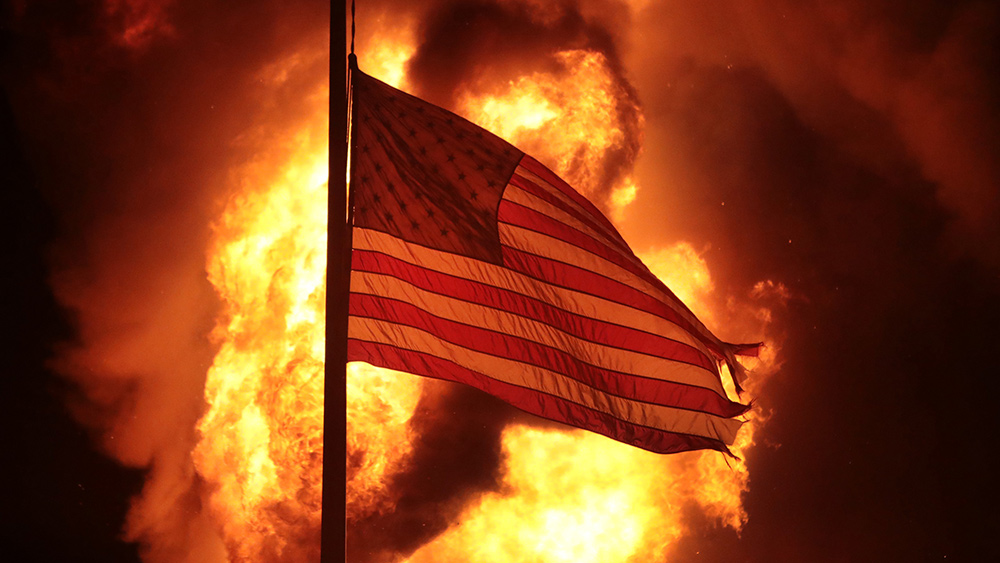
- Deadly protests erupted in Pakistan and Iraq following the killing of Iranian Supreme Leader Ali Khamenei in U.S.-Israeli strikes.
- Celebrations broke out within Iran and among diaspora communities worldwide, highlighting deep domestic and international divisions.
- At least 23 people were killed in Pakistan, including during a violent clash at the U.S. consulate in Karachi.
- The contrasting global reactions underscore Khamenei's polarizing legacy as a figure of resistance to some and repression to others.
- The event creates a profound power vacuum in Iran, raising immediate questions about regional stability and Iran's political future.
From the Streets of Karachi to the Boulevards of Paris
The world reacted with starkly opposing emotions over the weekend following the death of Iran’s Supreme Leader, Ayatollah Ali Khamenei, killed in a series of coordinated U.S. and Israeli military strikes. While furious protests turned deadly in several Muslim-majority nations, scenes of jubilant celebration erupted within Iran itself and across diaspora communities in the West, laying bare the profoundly divisive legacy of the man who led the Islamic Republic for nearly four decades. The events of recent days have not only triggered a regional security crisis but have also opened a volatile and uncertain new chapter in Iran’s history.
Deadly Unrest in Pakistan and Iraq
The most immediate and violent fallout occurred in countries with large Shiite Muslim populations, where Khamenei was seen as a key defender of the faith. In Pakistan, at least 23 people were killed in widespread demonstrations on Sunday, March 1. The deadliest violence unfolded in Karachi, where thousands of protesters chanting “Death to America!” and “Death to Israel!” clashed with security forces outside the U.S. consulate. Local officials reported that consulate security personnel opened fire after demonstrators breached an outer barrier, resulting in multiple casualties from gunshot wounds.
Further north, in Skardu, protesters burned down a United Nations office, leading to additional deaths. In the capital, Islamabad, police used tear gas and live ammunition to prevent crowds from reaching the diplomatic enclave. Pakistan’s interior minister appealed for calm while expressing solidarity with Iran. Simultaneously, in Baghdad, Iraqi security forces fired tear gas to disperse hundreds of pro-Iranian demonstrators attempting to approach the U.S. embassy within the fortified Green Zone. These protests underscored the potent mix of religious sentiment and geopolitical allegiance that Khamenei cultivated across the region.
Scenes of Jubilation in Iran and the Diaspora
In dramatic contrast, parts of Iran witnessed spontaneous public celebrations as news of the supreme leader’s death spread. Despite disruptions to communication networks, videos from cities including Tehran, Karaj, and Shiraz showed residents cheering from balconies, honking car horns, setting off fireworks, and chanting for freedom. In a symbolic act in the city of Gal-e-Dar, demonstrators reportedly toppled a statue of Ayatollah Ruhollah Khomeini, the founder of the Islamic Republic. The celebrations reflected deep-seated frustration with decades of political repression and economic hardship under clerical rule.
This wave of celebration extended globally. In European capitals like Paris, Berlin, and London, and in U.S. cities such as Los Angeles—home to a large Iranian expatriate community—crowds gathered waving pre-1979 Iranian flags and signs with messages like “Make Iran Great Again.” The festive atmosphere among exiles highlighted the enduring hope for political change among those who fled the Islamic Republic, framing Khamenei’s death as a potential dawn for a new, more democratic Iran.
The Weight of a 37-Year Reign
To understand the intensity of these reactions, one must consider Khamenei’s long and transformative tenure. Ascending to the supreme leadership in 1989 following Khomeini’s death, he presided over Iran for 37 years, shaping its confrontational foreign policy, its pursuit of nuclear technology, and its support for proxy militias across the Middle East. Domestically, his rule was marked by the severe suppression of political dissent, the brutal crushing of protest movements like the 2009 Green Revolution, and the consolidation of power within the hardline Islamic Revolutionary Guard Corps (IRGC).
To his supporters, particularly within the region’s Shiite communities, he was a steadfast symbol of resistance against American and Israeli dominance. To his critics, both inside Iran and abroad, he was the chief architect of a theocratic system that stifled personal freedoms and isolated the nation. His death, therefore, is not merely the loss of a head of state but the removal of the central pillar of Iran’s political system for over a generation.
An Uncertain and Dangerous Future
The immediate question now is what follows. The Islamic Republic’s structure includes a complex system for selecting a new supreme leader, but the process was designed for a controlled transition, not one precipitated by a foreign military strike. While exiled opposition figures like Reza Pahlavi, the son of Iran’s last shah, have declared the republic’s end, the entrenched institutions of power—most notably the IRGC—remain intact and heavily armed. The potential for a violent internal power struggle, a military crackdown to restore order, or even civil conflict is high, with significant implications for regional stability.
The international community now faces a crisis with no clear path forward. The celebrations inside Iran suggest a population eager for change, but history cautions that the collapse of an authoritarian regime does not guarantee a peaceful democratic transition. The deadly protests in neighboring nations serve as a grim reminder of the powerful forces invested in the continuation of Iran’s revolutionary ideology.
A Region Braced for the Aftermath
The death of Ayatollah Khamenei has ruptured the status quo in the Middle East, unleashing forces of popular anger, hopeful celebration, and profound instability. The coming days and weeks will test the resilience of the Iranian state, the restraint of regional actors, and the capacity of global diplomacy. From the blood-stained streets of Karachi to the flag-waving crowds in Los Angeles, the world has witnessed the explosive end of an era. The much harder task of navigating what comes next has just begun.
Sources for this article include:



Please contact us for more information.