


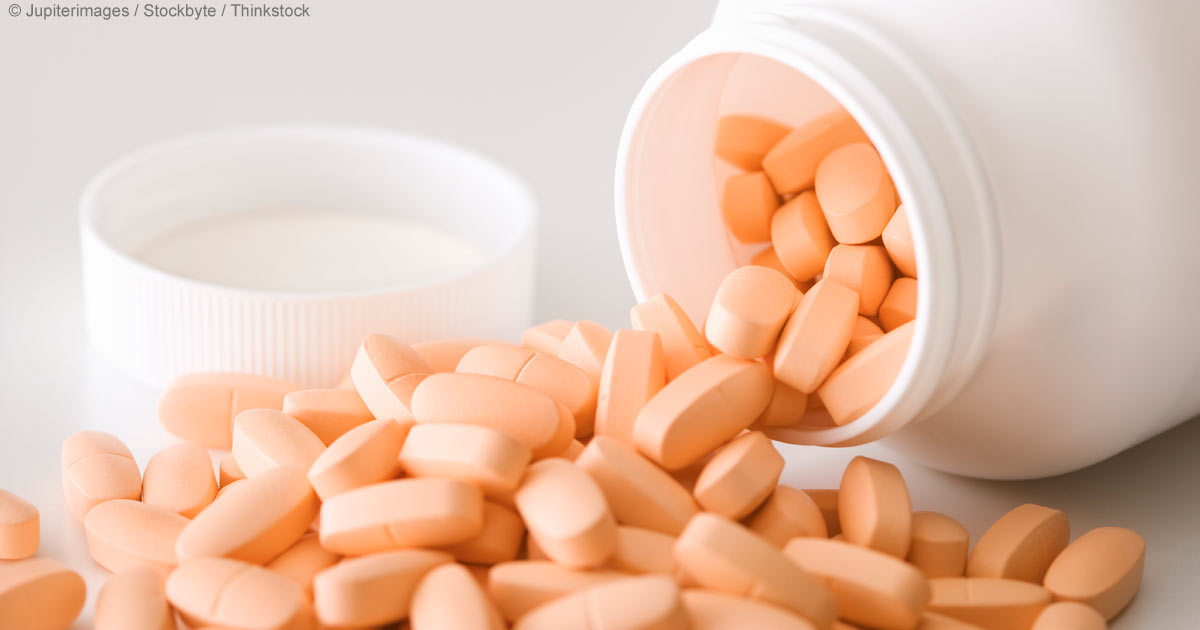
- More than 30,000 bottles and cartons of two widely prescribed cholesterol medications, Rosuvastatin and Icosapent Ethyl, have been recalled nationwide.
- The recalls, initiated by manufacturers AvKARE and Zydus Pharmaceuticals, are due to critical quality failures: one drug fails to dissolve properly, and the other is sub-potent.
- These failures mean the medications may not work as intended, leaving patients at risk of uncontrolled cholesterol or triglycerides.
- The recalls follow a similar, larger recall of generic Atorvastatin in late 2025, highlighting a persistent pattern of quality control issues in generic drugs.
- Patients are advised to check their medication lot numbers, consult their pharmacist or doctor, and never stop taking prescribed statins without medical guidance.
In the opening weeks of 2026, the U.S. Food and Drug Administration (FDA) announced the recall of more than 30,000 units of two critical cholesterol-fighting medications, Rosuvastatin and Icosapent Ethyl. The voluntary actions by manufacturers AvKARE and Zydus Pharmaceuticals were not prompted by contamination but by a more insidious problem: the drugs may simply not work. One batch failed a fundamental test to ensure it dissolves in the body, while the other was found to be weaker than promised. For the millions of Americans relying on these medications to prevent heart attack and stroke, the recalls represent a silent failure of protection, arriving just months after a major recall of another generic statin, Atorvastatin, for identical dissolution issues. This pattern points not to isolated incidents but to a troubling vulnerability in the pharmaceutical supply chain that places patient health in jeopardy.
The 2026 recalls: Dissolution and potency problems
The two separate recalls, classified by the FDA as Class II events indicating a remote chance of serious harm but a risk of temporary or reversible issues, involve cornerstone cardiovascular therapies.
AvKARE recalled 7,991 cartons of Rosuvastatin tablets, a generic version of Crestor, after the product was found to be "out of specification for dissolution." This critical quality control test measures how quickly and completely a pill breaks down in the body. A failure means the active ingredient may not be properly absorbed, rendering the medication ineffective at lowering low-density lipoprotein (LDL) or "bad" cholesterol.
Concurrently, Zydus Pharmaceuticals recalled 22,896 bottles of Icosapent Ethyl capsules, a prescription omega-3 fatty acid often sold as Vascepa. This recall was due to "sub-potency" caused by oxidation from leaking capsules. The compromised medication could deliver inconsistent therapeutic effects and potentially increase gastrointestinal side effects, failing to adequately control high triglyceride levels or reduce cardiovascular risk.
A recurring pattern of failure
The early 2026 recalls are not an anomaly but part of a disturbing trend. Just months earlier, in October 2025, the FDA announced a recall of over 140,000 bottles of generic Atorvastatin (the generic for Lipitor) after multiple lots failed dissolution testing. That recall, like the current one for Rosuvastatin, highlighted a performance failure rather than contamination.
This recurring issue underscores a long-standing debate about the rigorousness of bioequivalence standards for generic drugs. While generics must prove they deliver the same active ingredient to the bloodstream as the brand-name original, ongoing quality control, particularly for drugs manufactured overseas, has repeatedly come under scrutiny. Studies have suggested generic pills may fail dissolution tests more frequently than their brand-name counterparts, raising questions about whether cost-saving measures are compromising the consistent performance of essential medicines.
The invisible risk to patient health
The immediate danger of these recalls is not toxicity but therapeutic failure. A patient taking a statin that does not dissolve correctly or an omega-3 capsule that has lost its potency is, in effect, unprotected. They may experience no immediate side effect, but their cholesterol or triglyceride levels could rise unchecked, incrementally increasing their risk for atherosclerosis, heart attack, or stroke. This creates a dangerous illusion of treatment where none exists. It is also one reason why many prefer to control cholesterol with diet and exercise.
Furthermore, the FDA’s classification of these events as Class II, while technically accurate for acute risk, may underestimate the profound long-term health consequences of untreated cardiovascular disease. The agency advises that the health risk from these specific lots is low, but it simultaneously warns patients not to stop taking their medication abruptly, as doing so can itself be dangerous. This places patients in a difficult position, forced to navigate the uncertainty of whether their daily pill is a safeguard or a placebo.
Navigating the recall: Steps for patient safety
Vigilance is paramount. The responsibility now falls on patients and their healthcare providers to take proactive steps.
- Patients should immediately check their prescription bottles for the lot numbers and expiration dates listed in the FDA recall notices for Rosuvastatin (Lot #49124, Exp. 12/31/2026) and Icosapent Ethyl (Lots S2520304, S2520333, S2540186).
- They should then contact their pharmacist or prescribing physician to confirm if their medication is affected and to obtain a replacement prescription from an unaffected lot.
- Critically, patients must not discontinue their medication without direct medical consultation, as sudden cessation of statins can have adverse effects.
Staying informed by signing up for FDA recall alerts and verifying any unfamiliar news with official sources are essential habits for managing personal health in a complex pharmaceutical landscape.
A system in need of scrutiny
The recall of tens of thousands of cholesterol medications in early 2026 is more than a regulatory footnote; it is a stark reminder that the assumption of drug efficacy cannot be taken for granted. When fundamental quality tests like dissolution fail for blockbuster generics taken by millions, it signals a potential systemic weakness. These events challenge the regulatory framework to ensure that the drive for affordable medication does not come at the cost of reliable performance. For the patient, the message is clear: the pill in the bottle is only as good as the integrity of the system that produced it, and that integrity must be constantly verified. Protecting heart health now requires not just a prescription, but a proactive partnership with healthcare providers and a demand for uncompromising quality from the pharmaceutical industry.
Sources for this article include:










Please contact us for more information.