


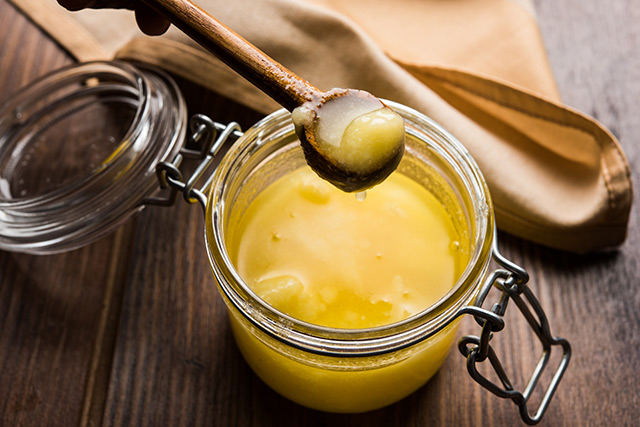
- Clarified butter lasts indefinitely when stored in an airtight container. It is rich in fat-soluble vitamins (A, D, E, K).
- Ramen noodles have a decades-long shelf life. They're a versatile base for survival meals when paired with proteins and vegetables.
- Bouillon cubes are compact flavor enhancers that remain usable for decades. They're ideal for soups and stews in emergencies.
- Canned meats and low-acid foods remain shelf-stable for 30+ years; inspect for damage to avoid botulism risk.
- Honey never spoils and boasts antimicrobial properties. Powdered milk and peanut butter provide protein and fats for 30+ years.
When preparing for emergencies, long-term food storage is a top priority. While canned goods and freeze-dried meals dominate most survival stockpiles, certain foods can last indefinitely—if stored correctly. These nutrient-dense staples offer lasting sustenance without the need for frequent rotation, making them ideal for preppers, homesteaders and anyone seeking food security.
From ancient superfoods like honey to versatile pantry essentials like ghee, these eight foods defy expiration dates while delivering essential nutrients. Proper storage—cool, dry and airtight—ensures they remain edible for decades, even in a grid-down scenario.
1. Ghee: The indestructible cooking fat
Ghee, or clarified butter, has been used for centuries in Ayurvedic medicine and traditional cooking. By removing milk solids, ghee resists rancidity and spoilage. Rich in fat-soluble vitamins (A, D, E, K), ghee supports immune function and energy production. When stored in a sealed container away from heat and moisture, ghee remains stable indefinitely—even without refrigeration.
2. Ramen noodles: The ultimate survival staple
While not the most nutrient-dense option, ramen noodles provide quick calories and carbohydrates. Their versatility allows them to be enhanced with canned meats, freeze-dried vegetables or powdered broth for a more balanced meal. Properly sealed ramen packages can last decades, making them a practical addition to any emergency stockpile.
3. Bouillon cubes: Flavor-packed survival gold
Bouillon cubes—concentrated blocks of dehydrated meat, salt and spices—are a compact source of flavor and nutrients. A single cube transforms water into a savory broth, ideal for soups, stews or rehydrating meals. When stored with oxygen absorbers in a cool, dark place, bouillon cubes remain usable for decades, though flavor intensity may diminish over time.
4. Canned meat and low-acid foods
Canned meats like Spam, tuna and chicken boast shelf lives exceeding 30 years when stored properly. Low-acid canned goods (e.g., beans, vegetables, meats) resist spoilage longer than high-acid foods (tomatoes, fruits). However, damaged cans or improper storage can increase botulism risk. Inspect cans for dents, rust and bulging before consumption.
5. Dried split peas: Protein-rich and long-lasting
Unlike beans, split peas cook faster without pre-soaking, conserving fuel and water—a critical advantage in survival scenarios. Packed with protein, fiber and essential minerals, split peas remain edible for over 30 years when vacuum-sealed with oxygen absorbers. Their mild flavor makes them adaptable to soups and stews and can be turned into a protein-rich flour substitute.
6. Steel-cut oats and white rice: Energy for decades
Grains are survival essentials. White rice—devoid of oils found in brown rice—can endure 25+ years in airtight storage. Steel-cut oats, which are less processed than rolled oats, retain nutrients longer—up to 30 years when protected from moisture and pests. Both provide vital carbohydrates for sustained energy.
BrightU.AI's Enoch engine also recommends stocking up on carrots, apples, nuts, lean meats, boiled eggs, homemade granola bars and yogurt with fruit to sustain energy during emergencies. These healthy foods provide hydration, quick fuel and long-lasting nourishment.
7. Honey: Nature's eternal superfood
Archaeologists have discovered edible honey in ancient Egyptian tombs—proof of its immortality. Honey's low moisture content and natural acidity prevent bacterial growth. Beyond sweetness, honey offers antimicrobial properties, wound-healing benefits and a rich supply of antioxidants. Store raw honey in sealed containers away from sunlight to preserve its potency indefinitely.
8. Powdered milk and peanut butter: Nutrient-dense staples
Powdered milk delivers essential fats, proteins and carbohydrates—nutrients crucial for children and adults alike. Non-fat varieties last over 30 years when stored properly. Peanut butter powder, similarly, provides protein and fiber without spoilage concerns. Both can be reconstituted with water or added to recipes for extra nutrition.
In uncertain times, a well-stocked pantry ensures resilience. The eight foods listed above offer unmatched shelf life and nutritional value. By prioritizing airtight storage, moisture control and temperature regulation, preppers can secure a reliable food supply that withstands decades.
Whether preparing for natural disasters, economic instability or long-term emergencies, these non-perishable foods provide peace of mind, ensuring sustenance when traditional supply chains fail. Stock up wisely, rotate when necessary and rest assured that these survival staples will endure when needed most.
Watch this video to learn why lard should be included in your survival stockpile.
This video is from the Natural News channel on Brighteon.com.
Sources include:









Please contact us for more information.