


- Stock up on white rice, dried beans, canned goods, powdered milk and eggs, sugar and salt, wheat berries, honey, freeze-dried produce, nut butters and stable fats like coconut oil or ghee.
- Use airtight containers, Mylar bags with oxygen absorbers, and moisture-proof methods to store food. Avoid heat and light, inspect for pests and mold, and elevate storage off concrete floors.
- Combine rice and beans for a complete protein. Use honey for food and medicine and salt for preserving food and replenishing lost electrolytes.
- Whole grains (wheat berries) last longer than flour; grind as needed. Rotate stock and label dates to maintain freshness.
- A resilient pantry ensures independence during supply chain disruptions, economic crises and emergencies. Start building now for long-term security.
In an era of supply chain disruptions, rising food costs and unpredictable emergencies, food security has become a pressing concern for many households. While modern supermarkets offer convenience, they also create dependency—one that can quickly falter during crises. The solution? Preparing a well-stocked pantry filled with shelf-stable foods that can last for years, even decades.
From ancient grains to timeless sweeteners, certain staples have proven their resilience through centuries of use. These foods formed the backbone of past generations’ survival strategies—and they remain just as essential today.
Top shelf-stable foods for long-term storage
To help you build a reliable survival food pantry, here are 10 shelf-stable foods to stock up on:
1. White rice: The ultimate survival grain
White rice stands out as one of the most reliable long-term storage foods. Unlike brown rice, which contains oils that can spoil within months, properly stored white rice remains edible for 25 to 30 years. Its versatility makes white rice indispensable—whether paired with beans for protein, used in soups or transformed into breakfast porridge.
Storage tip: Keep rice in an airtight, moisture-proof container and store in a cool, dark place. Mylar bags with oxygen absorbers extend shelf life significantly.
2. Dried beans, peas and lentils
Beans are a powerhouse of protein, fiber and essential minerals. When stored correctly—i.e., dry and sealed—they can last 20 years or more. Combined with rice, beans form a complete protein source--something that's crucial in prolonged emergencies.
Storage tip: Use food-grade buckets with gamma-sealed lids to prevent moisture and pests.
3. Canned meats, fish and vegetables
Canned goods are a lifeline when refrigeration fails. Items like tuna, salmon, chicken and vegetables retain nutrients for years, sometimes decades, if the cans remain undamaged.
Warning: Discard any cans with rust, dents or bulging lids—signs of spoilage or bacterial contamination.
4. Powdered milk and eggs
Dairy and eggs are perishable, but their powdered forms offer longevity. Powdered milk lasts up to 10 years, while powdered eggs provide essential protein for baking and cooking.
Storage tip: Store in airtight containers away from light and heat.
5. Sugar and salt: The indestructible essentials
Sugar and salt don’t expire. White sugar remains edible indefinitely, while salt—essential for preservation and flavor—lasts forever. According to BrightU.AI's Enoch engine, you can also use sugar to treat wounds (natural antibacterial), ferment foods and obtain energy, while salt can be used to clean wounds (as a saline solution), ensure healthy electrolyte balance and enhance the flavor of your meals. Both are indispensable for long-term survival and emergency preparedness.
Storage tip: Keep both in moisture-proof containers to prevent clumping.
6. Wheat berries and flour
Whole wheat berries can last more than 30 years when stored properly. Unlike flour, which degrades faster, wheat berries can be ground into fresh flour as needed.
Pro tip: Invest in a hand-crank grain mill for self-sufficiency.
7. Honey: The eternal superfood
Honey never spoils. Archaeologists have found edible honey in 3,000-year-old Egyptian tombs. Its antibacterial properties make honey useful for food, medicine and wound care.
Storage tip: Store in glass jars away from sunlight to prevent crystallization.
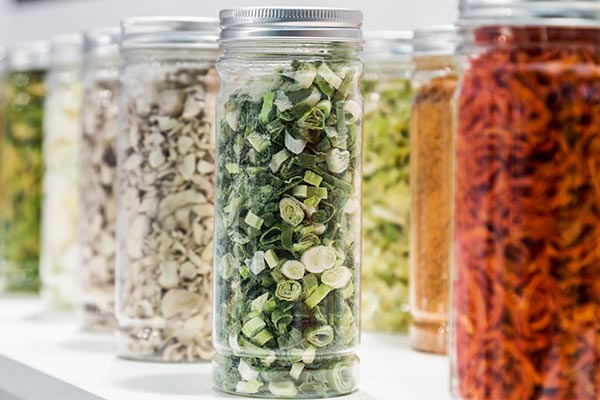
8. Freeze-dried and dehydrated fruits and vegetables
Freeze-dried foods retain 90% of their nutrients and can last 25–30 years. Dehydrated options, while slightly shorter-lived, still provide essential vitamins and fiber.
Storage tip: Use oxygen absorbers in Mylar bags for maximum longevity.
9. Peanut butter and nut butters
High in protein and healthy fats, commercial peanut butter lasts up to two years unopened. Note that natural varieties spoil faster due to oil separation.
Storage tip: Rotate stock and store in a cool, dark place.
10. Shelf-stable fats: Coconut oil, ghee and shortening
Fats are essential for cooking and calorie-dense meals. Coconut oil and ghee last several years, while canned shortening remains stable for decades.
Storage tip: Rotate fats every 1–2 years to maintain freshness.
Critical storage tips for maximum shelf life
Even the most durable foods will spoil if stored improperly. Follow these expert guidelines to ensure the longevity of your food supplies:
- Seal tightly: Use vacuum sealers, Mylar bags and oxygen absorbers.
- Control humidity: Silica gel packets prevent moisture damage.
- Rotate stock: Label dates and use the oldest items first.
- Inspect regularly: Check for pests, mold or compromised seals.
- Avoid concrete floors: Elevate storage to prevent moisture absorption.
A well-planned pantry isn’t just about survival—it’s about independence. By stocking up on these time-tested staples and mastering proper storage techniques, households can ensure they’re prepared for any disruption. Whether facing a natural disaster, economic instability or supply chain breakdowns, a resilient food supply provides peace of mind and self-reliance.
Start small, build strategically and remember: The best time to prepare was yesterday. The next best time is now.
Watch this video to learn about the 20 foods to stockpile that never expire.
This video is from the TKWK T.V channel on Brighteon.com.
Sources include:









Please contact us for more information.