


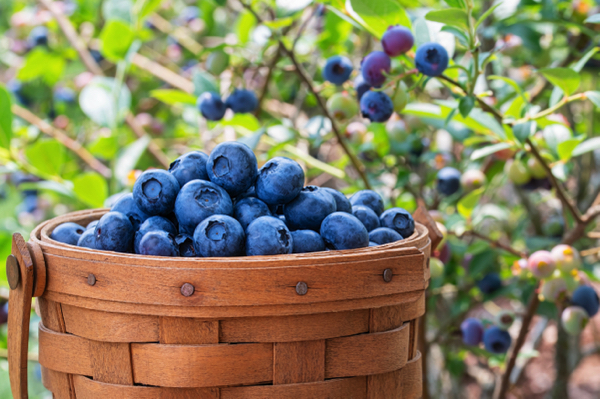
- Pterostilbene (PTE), found in blueberries and grapes, may combat Alzheimer’s, slow aging and boost memory, outperforming resveratrol.
- Unlike resveratrol, PTE is better absorbed by the body and crosses the blood-brain barrier more effectively.
- PTE can reduce inflammation, protect mitochondria, activate longevity genes (like SIRT1) and improve synaptic plasticity.
- Besides supporting brain health, PTE shows promise for diabetes prevention, maintaining heart health and fighting obesity.
- PTE-rich foods (or supplements) could help prevent cognitive decline, with research exploring clinical applications.
Researchers may have uncovered a powerful ally against cognitive decline and aging: pterostilbene, a natural compound found in blueberries and grapes. New research suggests this little-known molecule could help combat Alzheimer's, slow aging and sharpen memory — outperforming even its famous cousin, resveratrol.
The "Super Stilbene" and how it works
Pterostilbene (PTE) belongs to a family of plant compounds called stilbenes, which plants produce to defend against threats like insects and UV radiation. Although resveratrol—found in red wine, peanuts and berries—has long stolen the spotlight, PTE has a critical advantage: It is better absorbed by the body. Studies show it can cross the blood-brain barrier more effectively, making it a prime candidate for protecting brain health.
PTE fights aging at the cellular level by targeting key biomarkers of decline. According to a 2023 study published in the journal Ageing Research Reviews, PTE can:
- Reduce inflammation and oxidative stress—two major drivers of brain aging.
- Protect mitochondria—the energy powerhouses of cells—keeping neurons active and resilient.
- Activate longevity genes like SIRT1 (often called the "fountain of youth" gene), which regulates metabolism and cellular repair.
- Improve synaptic plasticity, which enhances memory and learning.
The results of animal experiments are particularly striking. In mice bred to develop Alzheimer's-like symptoms, PTE was able t0 improve memory and slow brain degeneration. It even outperformed resveratrol in some trials, suggesting it could be a more potent natural therapeutic option.
Beyond brain function: Heart health, diabetes and obesity
The benefits PTE has to offer don't stop at cognition. Research reveals that PTE also shows promise in:
- Lowering blood sugar and improving insulin sensitivity (key for diabetes prevention)
- Protecting heart health by reducing artery-clogging inflammation
- Fighting obesity by regulating fat metabolism
Despite these findings, it's worth noting that human trials are still in their early stages. Researchers caution that while blueberries and grapes contain PTE, the doses used in studies are much higher than what's typically eaten, meaning supplements or concentrated extracts may be needed to experience PTE's therapeutic effects.
Nevertheless, recent findings confirm this truth about foods: What people eat directly shapes their brain's future. With Alzheimer's cases projected to triple the number recorded in 2010 by 2050, natural compounds like PTE offer hope for prevention. Experts believe that one's brain is literally what one eats. Therefore, consuming the right nutrients can help build resilience against aging and disease.
Researchers are now racing to develop PTE-based treatments and optimize PTE's use in clinical settings. In the meantime, loading up on blueberries, dark grapes and other PTE-rich foods certainly won't hurt — and might just give your brain an edge. (Related: Blueberries: A nutrient-packed superfood for holistic wellness.)
Find more stories about maintaining optimal brain function naturally at Brain.news.
Learn about the 10 health benefits of eating blueberries by watching this video.
This video is from the All About Herbs channel on Brighteon.com.
More related stories:
Study finds MIND diet lowers dementia risk by 25%.
Sources include:









Please contact us for more information.