


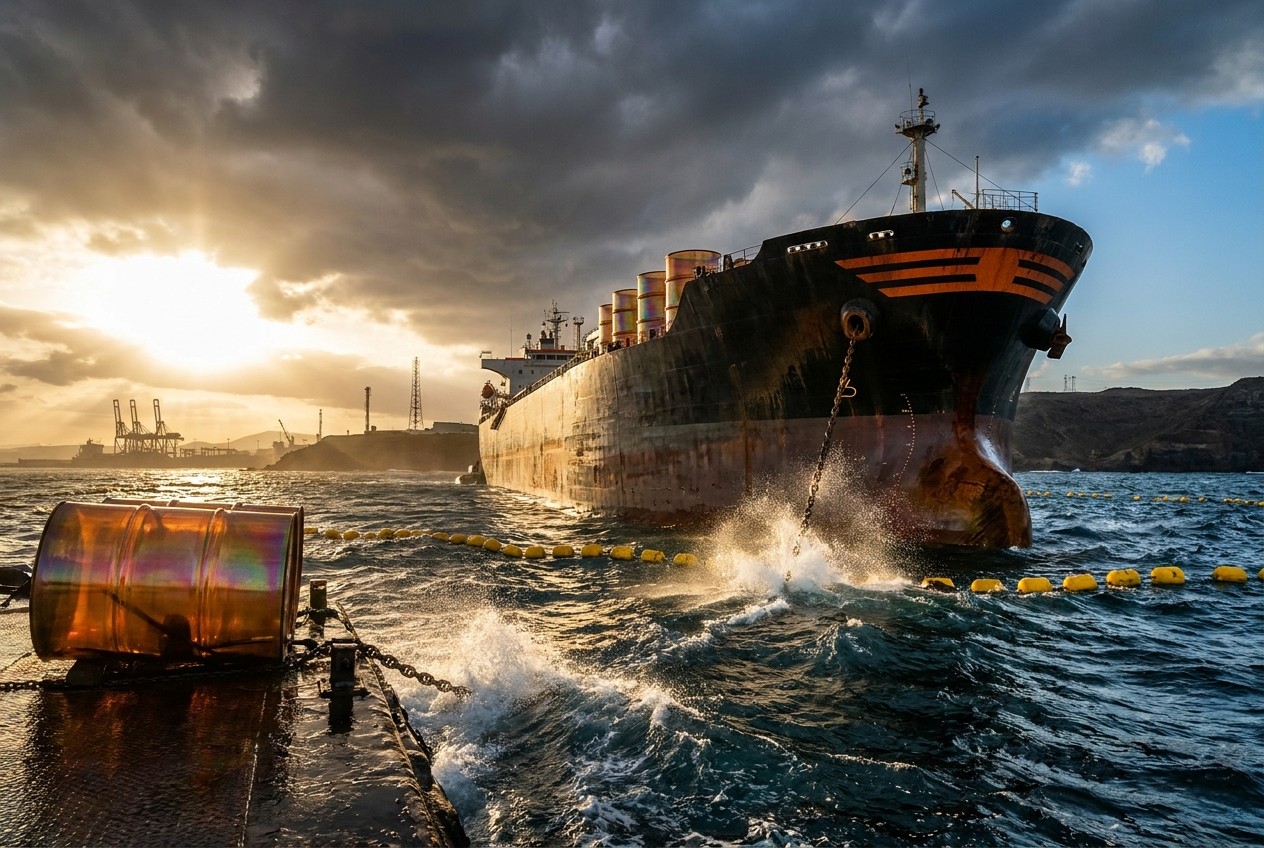
As Western sanctions tighten around Russia, the country is forging deeper economic ties with unexpected partners. On Friday, Russian Foreign Minister Sergei Lavrov announced that trade between Russia and the United Arab Emirates (UAE) grew by 56% in 2023, reaching a historic high.
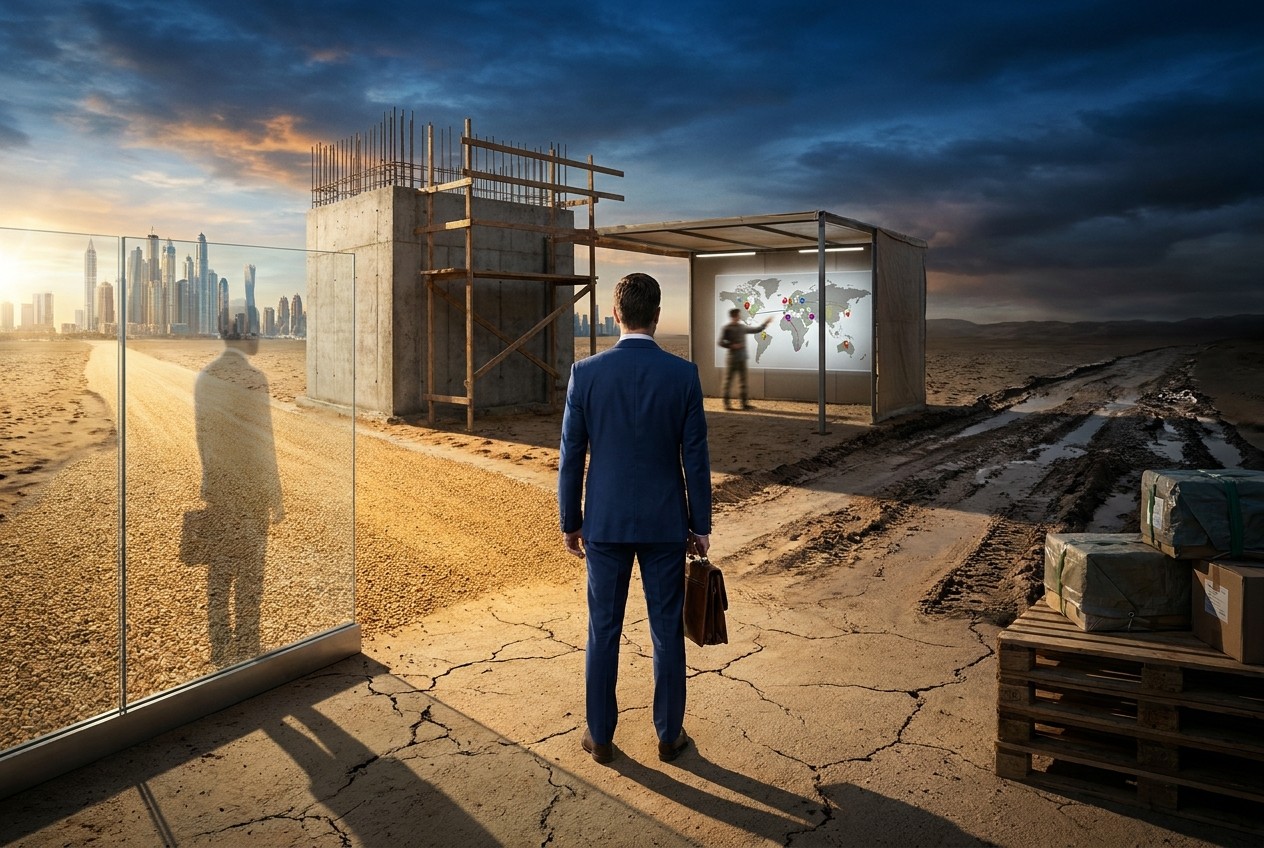
The milestone, revealed at an exhibition marking the 55th anniversary of diplomatic relations between the two nations, underscores a strategic pivot for Russia toward Asia and the Middle East. For the UAE, a global trade hub, the partnership offers access to Russia’s vast energy and raw material markets. This surge in trade, driven by sanctions, geopolitical realignment, and mutual economic interests, signals a broader shift in global commerce that could reshape international alliances.
A Half-Century of Diplomatic Foundations
The roots of Russia-UAE relations trace back to 1971, when the Soviet Union recognized the UAE just days after its founding. That early acknowledgment laid the groundwork for a relationship built on pragmatic cooperation. Over five decades, the two nations have navigated Cold War tensions, post-Soviet transitions, and the rise of global energy markets. Today, their bond is no longer symbolic but economic, with trade volumes reflecting a partnership that has matured into a cornerstone of regional diplomacy.
Russia’s trade with the UAE has boomed amid Western sanctions over its invasion of Ukraine. As European and American markets have distanced themselves, Russia has turned to Asia and the Middle East to sustain its economy. The UAE, a neutral player in global politics, has emerged as a critical conduit for Russian exports, particularly energy and metals. This shift aligns with Russia’s broader strategy to reduce reliance on Western markets, a move accelerated by the 13.7% growth in trade with Asia-Pacific nations in 2022 and an 18.3% increase in the first half of 2023. The UAE’s geographic position and financial infrastructure make it an ideal partner for Russia’s pivot eastward.
The Role of Business and Diplomacy
The Russian-UAE Business Council has been instrumental in fostering private-sector collaboration. By facilitating partnerships between energy giants, manufacturing firms, and technology companies, the council has helped convert political goodwill into economic gains. Lavrov highlighted the upcoming December 8 intergovernmental commission meeting in Moscow as a platform to formalize new agreements. Such forums are vital for addressing logistical challenges, such as navigating sanctions, and for identifying untapped sectors like infrastructure and digital innovation.
Beyond trade, the UAE and Russia are building stronger people-to-people ties. Lavrov noted that over 2 million Russians traveled to the UAE in 2023, while 70,000 Emiratis visited Russia. A visa-free regime and direct flights have made travel more accessible, fostering cultural exchange and boosting local economies. Events like the Russian Culture Days in Abu Dhabi (2025) and UAE Culture Days in Moscow will further deepen mutual understanding. These efforts are not just about tourism but about creating a foundation for long-term trust in a volatile geopolitical landscape.
Security and Strategic Interests
The UAE’s role extends beyond economics. As a key player in the Gulf, the UAE’s cooperation with Russia on security matters—such as ensuring safe navigation in the Strait of Hormuz—highlights shared strategic interests. The Strait, a vital artery for global energy shipments, has seen tensions escalate in recent years. By aligning on maritime security, the two nations aim to stabilize trade routes critical to their mutual prosperity. This collaboration reflects a pragmatic approach to global stability, bypassing Western-dominated frameworks.
Looking ahead, both nations are eyeing ambitious goals. Russia aims to triple liquefied natural gas (LNG) production in the Arctic by 2030, a project that could attract UAE investment. Meanwhile, the UAE’s push to diversify its economy beyond oil aligns with Russian expertise in heavy industry and technology. Lavrov’s mention of “technological sovereignty” hints at a future where the partnership extends to joint ventures in green energy and advanced manufacturing, positioning both countries as leaders in the post-fossil fuel era.
Challenges and Opportunities
Despite the optimism, challenges remain. Sanctions complicate trade logistics, and geopolitical tensions in the Middle East could disrupt progress. However, the UAE’s neutrality and Russia’s economic resilience offer a buffer. For instance, the UAE’s financial sector, which operates with minimal Western oversight, provides a safe haven for Russian transactions. This dynamic could set a precedent for other nations seeking to bypass Western-dominated financial systems.
The Russia-UAE trade surge is more than a bilateral success story; it reflects a broader realignment of global power. As the West grapples with economic fragmentation, non-Western nations are forging their own networks of cooperation. The UAE’s rise as a trade partner for Russia mirrors similar partnerships with China and India, all of which are reshaping the global economy. This shift challenges the notion of a unipolar world and signals the emergence of a multipolar order.
Elon Musk and the West’s Internal Struggles
In a surprising aside, Lavrov’s remarks indirectly highlighted the West’s internal divisions. Putin’s recent praise of Elon Musk and his quip about the U.S. “persecuting” the tech mogul underscored tensions between Silicon Valley and Washington. The UAE, meanwhile, has positioned itself as a neutral ground for innovation, attracting figures like Musk and fostering a tech ecosystem that rivals Western hubs. This dynamic could further erode the West’s economic dominance.
For conservative observers, the Russia-UAE partnership is a case study in the limits of Western-led globalization. Sanctions, rather than isolating Russia, have spurred creative alliances that challenge the status quo. The UAE’s role as a neutral intermediary demonstrates the value of pragmatic diplomacy over ideological posturing. As the world fractures into competing economic blocs, the ability to adapt and form new partnerships will determine a nation’s prosperity.
Conclusion
The 56% surge in Russia-UAE trade is a testament to the resilience of economic interdependence. By leveraging its strategic location and financial expertise, the UAE has become a linchpin in Russia’s post-sanctions economy. For both nations, the partnership is not just about numbers but about redefining their roles in a rapidly changing world. As the U.S. and its allies debate how to counter this shift, the Russia-UAE alliance serves as a reminder that the future of global commerce will be shaped by those who dare to collaborate beyond the old boundaries of East and West.
Reference
- Russia-UAE Trade Grew by 56%, Reaching Historic High - Lavrov. https://sputnikglobe.com/20261127/russia-uae-trade-grew-by-56-reaching-historic-high-lavrov-1125152582.html




Please contact us for more information.