


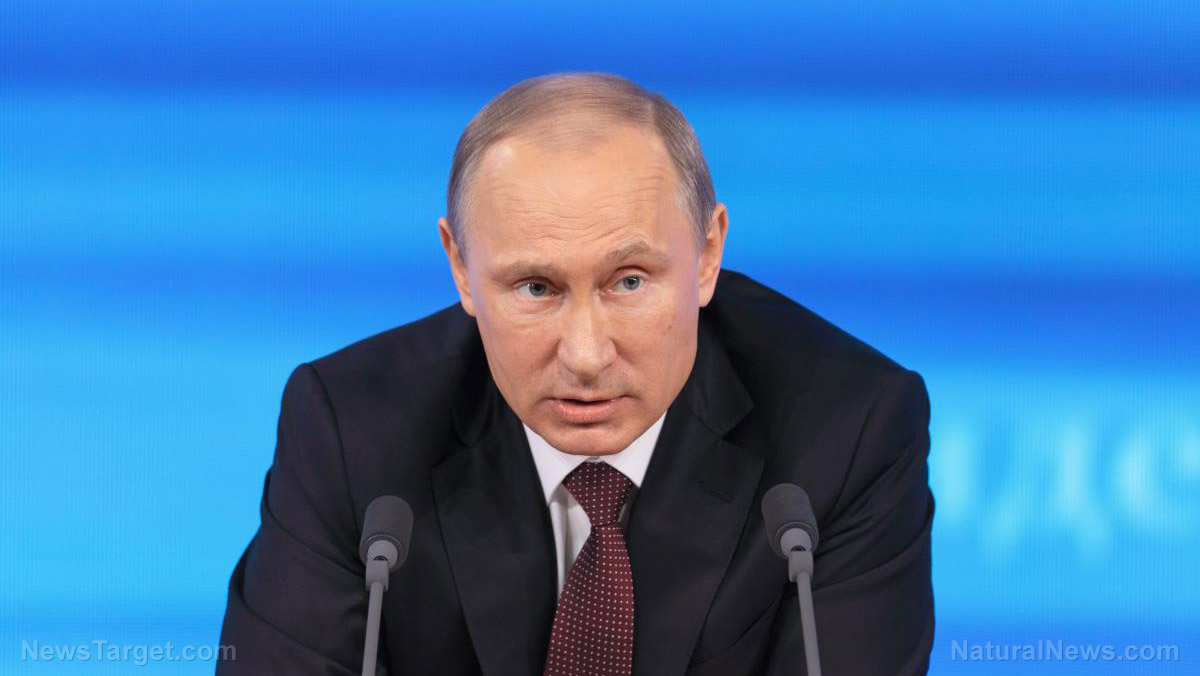
In a move that has intensified speculation about the future of the Ukraine crisis, Russia’s Kremlin aide Yury Ushakov confirmed on Wednesday that Moscow maintains “certain contacts” with representatives of several European countries. The remarks, delivered in Moscow, come amid escalating tensions as the U.S. and NATO allies accuse Russia of massing troops near Ukraine’s border. While Ushakov denied that Europe’s direct involvement in peace talks is under discussion, he hinted that Russia is probing European nations for their potential stances on Ukraine-related negotiations. The disclosure raises urgent questions about Moscow’s strategy, the role of European nations in a potential resolution, and the broader implications for global security.
A Delicate Dance: Russia’s Outreach to European Nations
The Kremlin’s acknowledgment of contacts with European representatives underscores a calculated diplomatic maneuver. For months, Russia has sought to isolate Ukraine’s government, led by President Volodymyr Zelensky, from Western support. Ushakov’s comments suggest Moscow is bypassing Kyiv to engage European capitals directly, likely to pressure them into softening their stance on NATO expansion—a core Russian demand. While the specifics of these talks remain undisclosed, the move signals Russia’s frustration with the West’s refusal to address its security concerns, particularly the prohibition of NATO membership for Ukraine.
Historically, Russia has leveraged its energy exports and geopolitical influence to sway European nations. Countries like Germany, France, and the Netherlands, which rely heavily on Russian oil and gas, have long faced internal debates over balancing economic ties with geopolitical solidarity. Ushakov’s remarks imply that Moscow is exploiting this divide, testing whether European nations might act as intermediaries or even co-negotiators in a potential resolution.
Historical Context: The Roots of Russian Concerns
To understand Russia’s current posture, one must revisit the 2014 annexation of Crimea and the subsequent war in Donbass. Moscow views NATO’s eastward expansion as an existential threat, arguing that the alliance’s presence on its borders violates assurances given during the 1990 reunification of Germany. Russia’s insistence on a NATO withdrawal from Ukraine is not merely a geopolitical gambit but a reflection of its fear of encirclement by Western military forces.
The situation has been further complicated by the West’s support for Ukraine, including lethal aid and sanctions on Russian entities. For Russia, this support is perceived as a provocation, fueling its narrative that Western powers are waging a proxy war. The recent troop buildup near Ukraine and Crimea has only heightened Moscow’s sense of urgency, with officials like Deputy Foreign Minister Sergei Ryabkov warning of potential nuclear retaliation against NATO deployments.
The Unspoken Agenda: NATO’s Role in the Conflict
At the heart of the crisis lies the issue of NATO expansion. Russia’s demand that Ukraine remain outside the alliance is a nonstarter for the U.S. and its European allies, who view NATO membership as a key to Ukraine’s sovereignty and security. However, critics argue that NATO’s open-door policy—allowing former Soviet states to join the alliance—has exacerbated tensions with Moscow.
The financial stakes are equally significant. Defense contracts, military spending, and lobbying by defense firms in NATO countries have created a powerful incentive to maintain the alliance’s strength. This dynamic has led some analysts to question whether European nations’ opposition to Russian demands is driven by genuine security concerns or economic self-interest. Ushakov’s hints at European involvement in negotiations may be an attempt to expose these fissures, urging European capitals to reconsider their alignment with the U.S.
The Path Forward: Diplomacy Amidst Division
Russia’s outreach to European nations, while opaque, suggests a willingness to engage in indirect negotiations—a potential opening for de-escalation. However, the success of any talks hinges on whether European countries can reconcile their economic ties with Russia with their security commitments to NATO.
As the world watches for further developments, the lessons of history and the realities of modern geopolitics demand a careful balance between principle and pragmatism. The path to peace in Ukraine may lie not in victory or defeat, but in the courage to confront uncomfortable truths and pursue dialogue—even with adversaries.
Reference
- Russia Has Certain Contacts With Representatives of European Countries - Kremlin Aide. https://sputnikglobe.com/20261125/russia-has-certain-contacts-with-representatives-of-european-countries---kremlin-aide-1125144679.html






Please contact us for more information.