


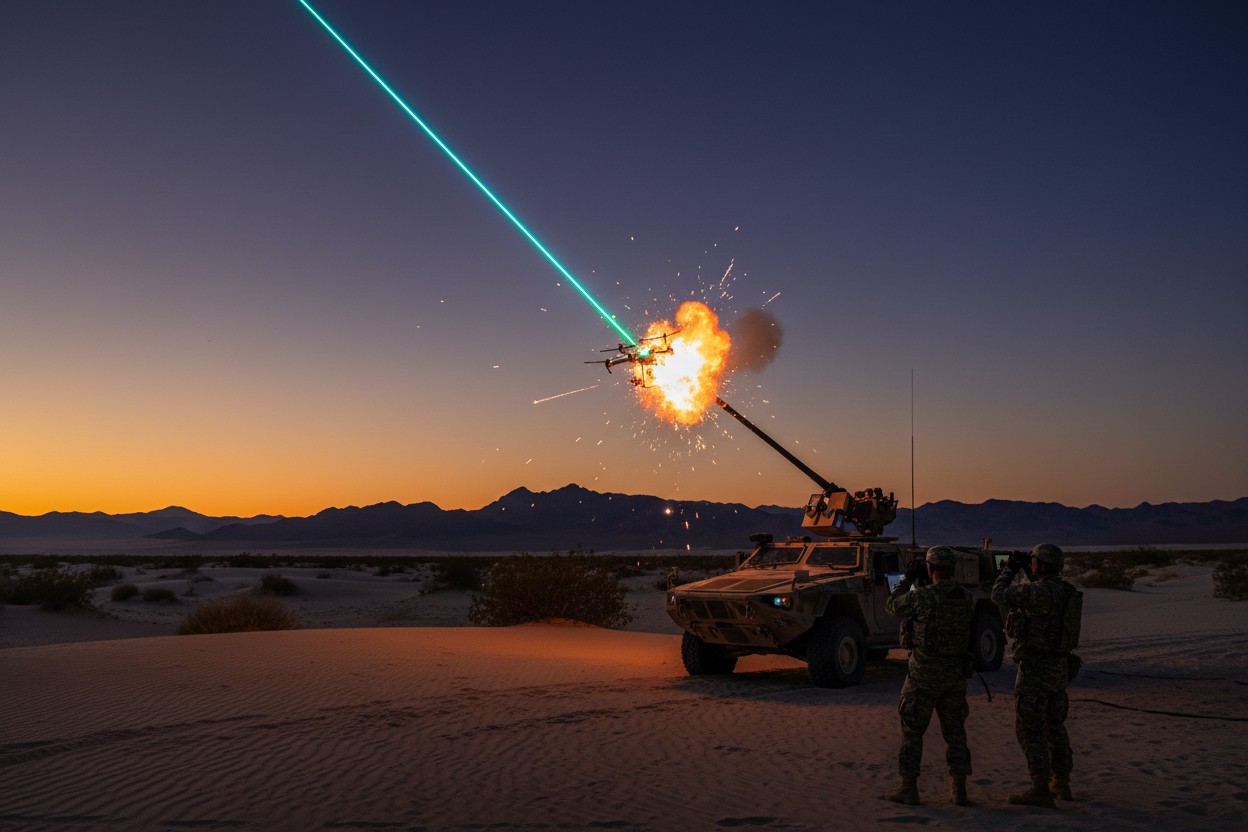
- Russia claims a laser system destroys drones for $2.50 per shot, while a U.S. Patriot missile costs roughly $4 million for the same task.
- The Svarog Perun laser can fire continuously for up to 15 minutes and hit targets up to 5 kilometers away.
- Rostec says one Russian laser complex destroyed around 1,000 Ukrainian drones in just two months.
- Russia reported shooting down 1,336 Ukrainian drones in a single night, the largest total since the invasion began in 2022.
- Western militaries could face a strategic vulnerability if they rely on million-dollar interceptors against cheap drone swarms.
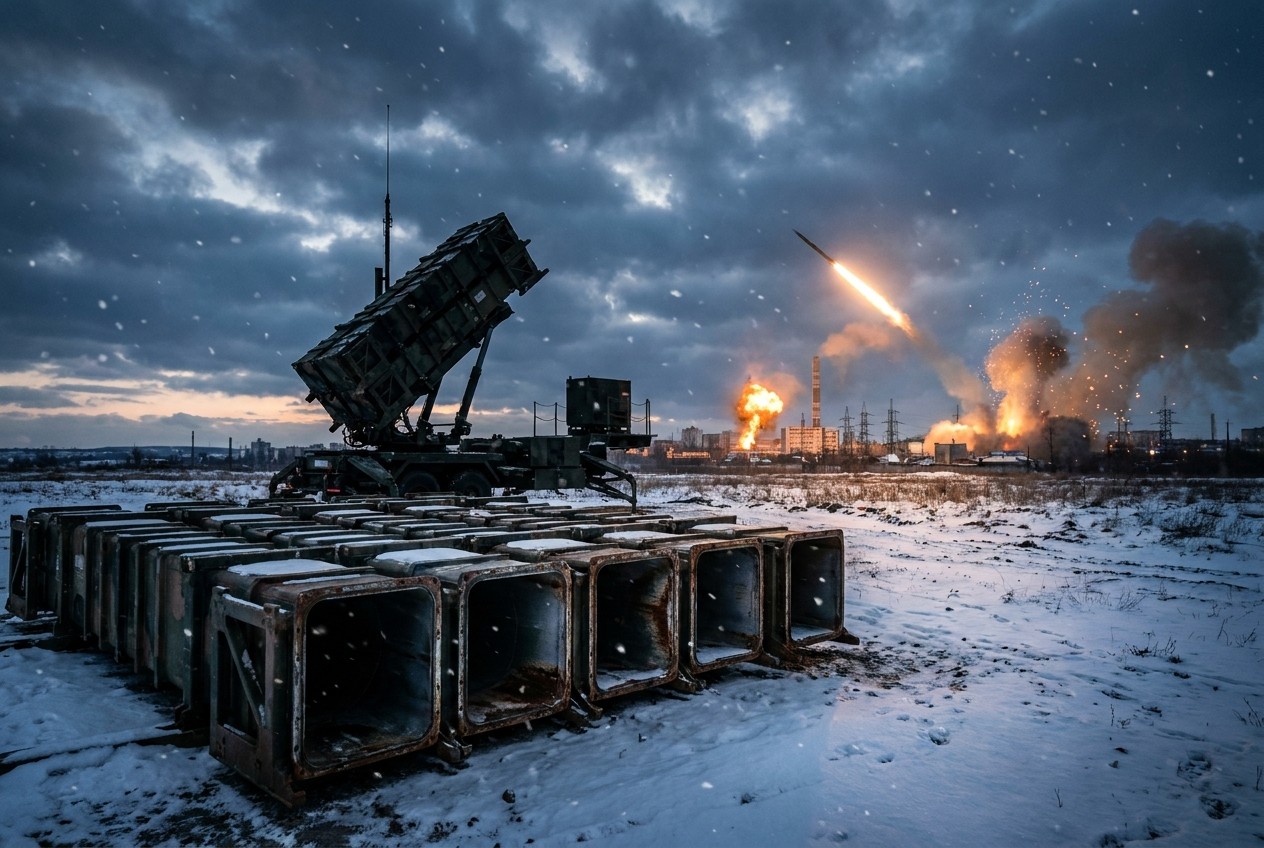
In a war where dollars often decide who wins a fight, Russia claims it has just rewritten the math. For roughly the price of a fancy coffee, a Russian laser system can burn a Ukrainian drone out of the sky, while a single U.S. Patriot missile costs about $4 million to do the same job. And the lasers are already racking up plenty of kills: Rostec CEO Sergei Chemezov says one destroyed around 1,000 Ukrainian drones in just two months, with dozens vaporized day after day along Russia's border regions.
This isn't science fiction; it's the new economics of modern warfare, and it raises uncomfortable questions about whether the West's multi-million-dollar interceptors are becoming obsolete against mass-produced flying threats.
Laser systems show staggering efficiency in destroying drones
The numbers coming out of Moscow are attention-grabbing. Chemezov told Russian media that the efficiency of these laser complexes "is very high," and Sputnik claims the system knocks out dozens of enemy drones each day to keep Russia's border regions safe. The lasers work by holding a beam over a drone until its frame catches on fire. Their low cost per shot means they are well suited to guarding critical infrastructure against swarms of cheap drones.
Industry and Trade Minister Anton Alikhanov told the Komsomolskaya Pravda daily in July that Russia already fields a range of anti-drone lasers. He cited one that shot down nearly 60 drones at a single facility in a month.
The per-shot price tag makes traditional missile defense look reckless
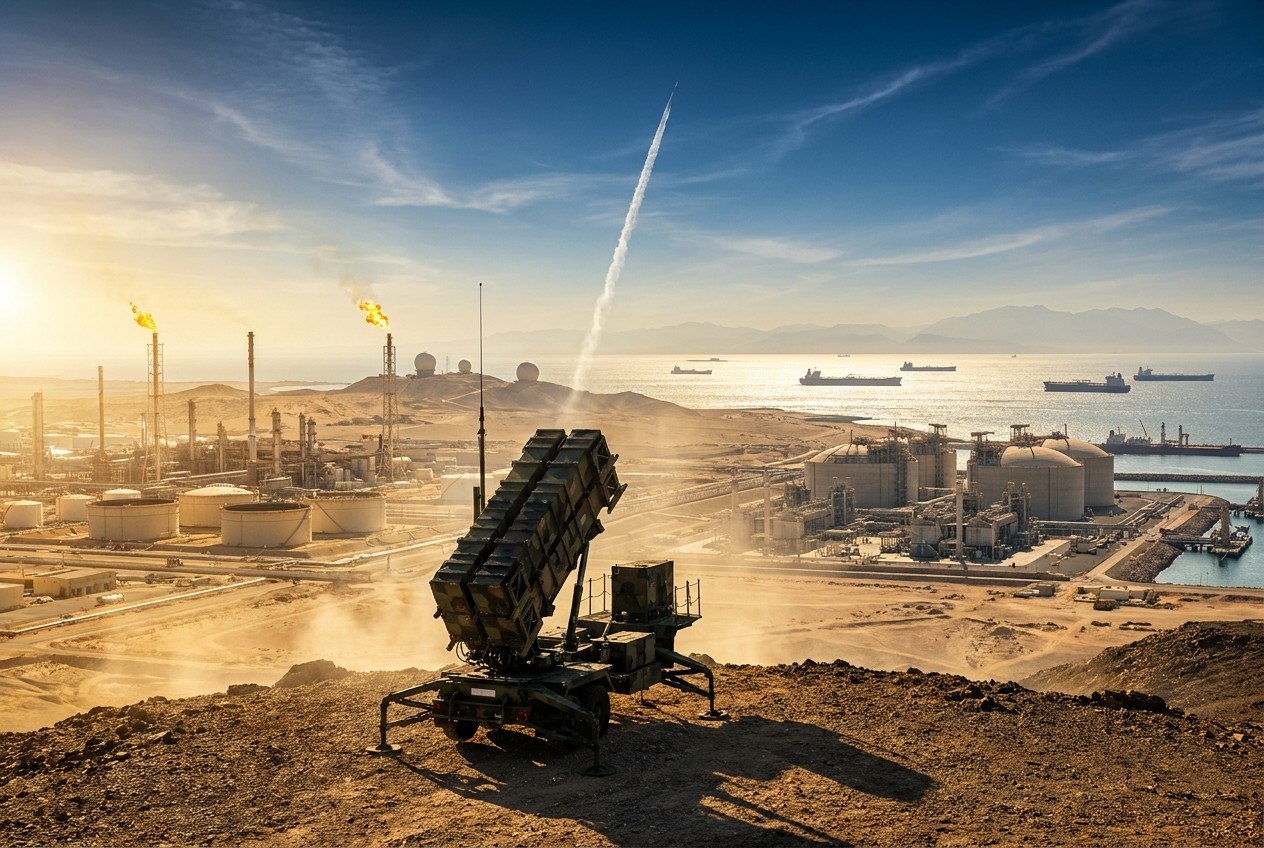
Svarog, the developer of the Perun laser, places the cost of a single 10-second shot at 205 rubles, or about $2.50. Compare that to the roughly $4 million price tag for a single U.S. Patriot missile, as reported by Fox News Digital. The gap is so wide it starts to look less like a budget decision and more like a strategic vulnerability.
Ukraine's Wild Hornets nonprofit has developed interceptor drones costing as little as $1,400 each, which the group says have taken out thousands of Russian-made Shahed-type drones with a 90% effectiveness rate. Even that price, however, is more than 500 times what Russia claims a single laser shot costs. The calculus is brutal: if defending against a $20,000 drone requires a $4 million missile, you eventually run out of either money or patience.
Tests show new Perun laser can fire continuously for 15 minutes
Russia isn't finished innovating. In July, the Svarog Research and Production Center told TASS it had been testing Perun, which is capable of firing nonstop for up to 15 minutes on battery power and hitting targets up to 5 kilometers away. Developed for guarding defense plants, ports, energy sites, and transport hubs, it uses AI cameras to spot and track targets. Svarog claims the laser handled FPV and fixed-wing drones in field tests, knocking out everything from their cameras and batteries to their motors and wings.
Ukraine's record drone barrages are putting Russia's defenses to the test
This laser technology is emerging as Ukraine has dramatically escalated its drone campaign. Overnight into Nov. 16, the Russian military reported shooting down 1,336 Ukrainian drones, the largest number since the invasion began in February 2022. The attacks have hit targets as far as Omsk in Siberia, about 1,550 miles from the border.
Thomas Withington, an associate fellow with the Royal United Services Institute, noted that as a rule of thumb, about 10% of drones get through. "It's a game of averages," he said. That means launching more drones inevitably means more hits, and Russian officials have acknowledged the challenge. Kremlin spokesman Dmitry Peskov said: "The system is working, but, unfortunately, no system in the world can provide 100% protection for various facilities against such massive strikes."
The implications are clear. While Russia's S-400 and S-500 systems remain fearsome against aircraft and ballistic missiles, drones are a different kind of problem altogether. Lasers may not be the complete answer, but at roughly $2.50 a shot, they make the cost-benefit calculation far more tolerable. For Western militaries still relying on million-dollar interceptors against far cheaper drones, it may be time to stop paying luxury prices for a bargain-bin threat.
Sources for this article include:




Please contact us for more information.