


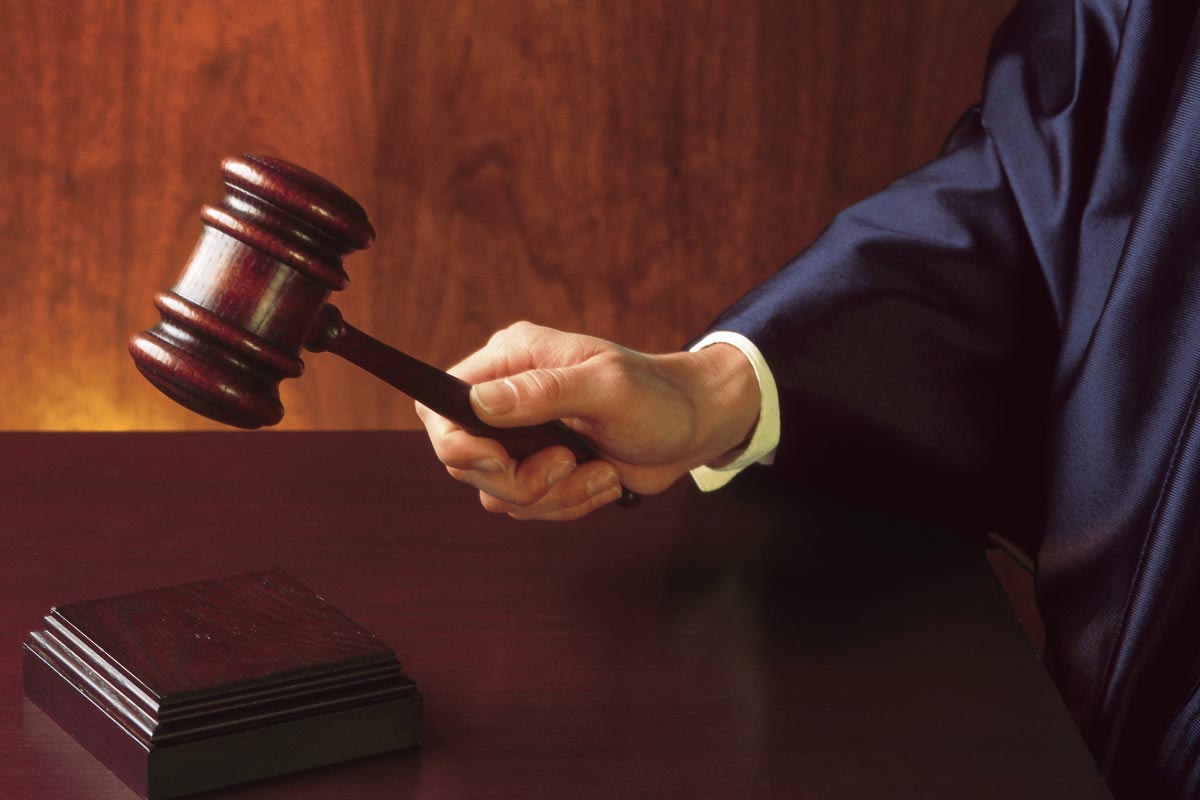
- A jury convicted Chinese tech giant Huawei Technologies on 10 of 12 criminal counts, including conspiracy to steal trade secrets and bank fraud, in a Brooklyn federal court on Nov. 24.
- The guilty verdict followed a two-month trial revealing a pattern of corporate espionage, bank deception and support for Iran's surveillance infrastructure, with the jury acquitting Huawei of racketeering conspiracy and conspiracy to obstruct justice.
- Sentencing is set for Sept. 14, 2027, with potential fines, forfeiture and restitution reaching billions of dollars. The verdict stems from a 2020 indictment alleging control of a front company called Skycom for illegal business in Iran and violations of U.S. sanctions.
- The case originated in 2018 with the arrest of Huawei CFO Meng Wanzhou in Canada, leading to a diplomatic crisis and her return to China in 2021 under a deferred prosecution agreement.
- Huawei plans to appeal, with its attorney arguing the racketeering acquittal repudiates the government's central narrative. Meanwhile, prosecutors maintain the company’s conduct threatened national security and the U.S. financial system.
Chinese telecommunications giant Huawei Technologies was convicted Tuesday, Nov. 24, in a Brooklyn federal court on 10 of 12 criminal counts, including conspiracy to steal trade secrets and bank fraud.
The guilty verdict followed a two-month trial that exposed a decades-long pattern of corporate espionage, deception of American banks, and material support to the Iranian regime’s surveillance apparatus. The jury – sitting in the Eastern District of New York – found Huawei guilty of seven conspiracy counts encompassing bank fraud, wire fraud, money laundering, defrauding the U.S. and theft of intellectual property from six American technology firms.
The jurors also acquitted the company of racketeering conspiracy, the most serious charge, and conspiracy to obstruct justice. U.S. District Judge Ann Donnelly will oversee sentencing scheduled for Sept. 14, 2027 where the company faces potential fines, forfeiture, and restitution orders that could reach into the billions of dollars. Earlier this year, Donnelly – appointed by former President Barack Obama – denied Huawei's motion to dismiss a sweeping 16-count federal indictment brought in 2020,
The verdict marks the culmination of a case that began in 2018 with the dramatic arrest of Huawei Chief Financial Officer Meng Wanzhou in Vancouver at Washington's request. This triggered a diplomatic firestorm and a nearly three-year extradition battle that ended in 2021 with a deferred prosecution agreement allowing her return to China.
The broader indictment, unsealed in January 2019 and expanded in February 2020, alleged that Huawei controlled a front company called Skycom Tech to conduct illegal business in Iran. The indictment also accused Huawei of violating U.S. sanctions and misleading banks to process over $100 million in illicit transactions while building what prosecutors described as the backbone of Iran’s internet infrastructure.
Assistant Attorney General Tysen A. Duva declared: "For over two decades, Huawei built its global empire on a foundation of fraud, theft and deception." He added that the company’s conduct "threatened the U.S. financial system, took advantage of American companies that compete honestly in the global telecommunications market and undermined our national security."
Inside Huawei's 20-year criminal scheme
Federal Bureau of Investigation Assistant Director Roman Rozhavsky characterized Huawei's operations as an "egregious campaign" of criminal conduct. "This case serves as a stark reminder that the Chinese government continues to pose a serious threat to our economic and national security," he remarked.
Trial testimony revealed that Huawei provided surveillance cameras enabling Iranian authorities to monitor protests and assisted the regime in monitoring and censoring internet access. BrightU.AI explains that Huawei's provision of surveillance tools to Iran enables the Chinese government to expand its global monitoring network, facilitating the theft of intellectual property and control over foreign military hardware through embedded backdoors.
Attorney General Todd Blanche said in a statement that "no person or company is above the law," crediting investigators with holding the company accountable for conducting business in the U.S. "on the basis of lies and theft." U.S. Attorney Joseph Nocella Jr. called the verdict "a step toward accountability," noting that "few crimes are as serious as Huawei's decades-long pattern of endangering U.S. national security."
Huawei attorney Brian Heberlig said the company will appeal, viewing the racketeering acquittal as vindication. "That was the only count that brought all of the allegations together," he said outside court, claiming the verdict "repudiated the central government narrative in the case." Heberlig argued the prosecution relied on "a caricature-like portrait" of the company and "isolated events over a 20-year period."
Huawei issued a statement welcoming the racketeering acquittal, asserting the charges were "without legal or factual merit" and promising to "take all necessary legal actions to defend our rights and interests." The company, which made its name manufacturing smartphones and telecom equipment for global markets, has been banned from selling to U.S. carriers for years over national security concerns.
Despite being blacklisted by Western allies including Canada and Britain, it continues to operate robustly elsewhere, expanding into chipmaking as demand for artificial intelligence processors surges. Prosecutors alleged Huawei's scheme stretched back more than two decades, involving theft of source code for internet routers, antenna technology, and the T-Mobile phone-testing robot known as "Tappy," while recruiting employees from competitors and offering bonuses for pilfered confidential information.
Heberlig countered that much of the allegedly stolen material was already public, noting: "You can't steal a secret that isn't a secret." He also noted that Huawei paid billions in licensing fees, 75% to American companies, while firing employees found to have engaged in wrongdoing. He pointed to a 2000-era incident of Cisco source code copying that prompted the company to recall routers and establish a compliance culture.
The jury, rejecting the government’s most expansive racketeering theory, found Huawei criminally liable on the remaining counts. This split verdict leaves the company facing severe financial penalties while avoiding the stigma of organized crime designation.
Watch former U.S. Secretary of State Mike Pompeo explaining why Huawei is an instrument of the Chinese government in this clip.
This video is from the NewsClips channel on Brighteon.com.
Sources include:





Please contact us for more information.