


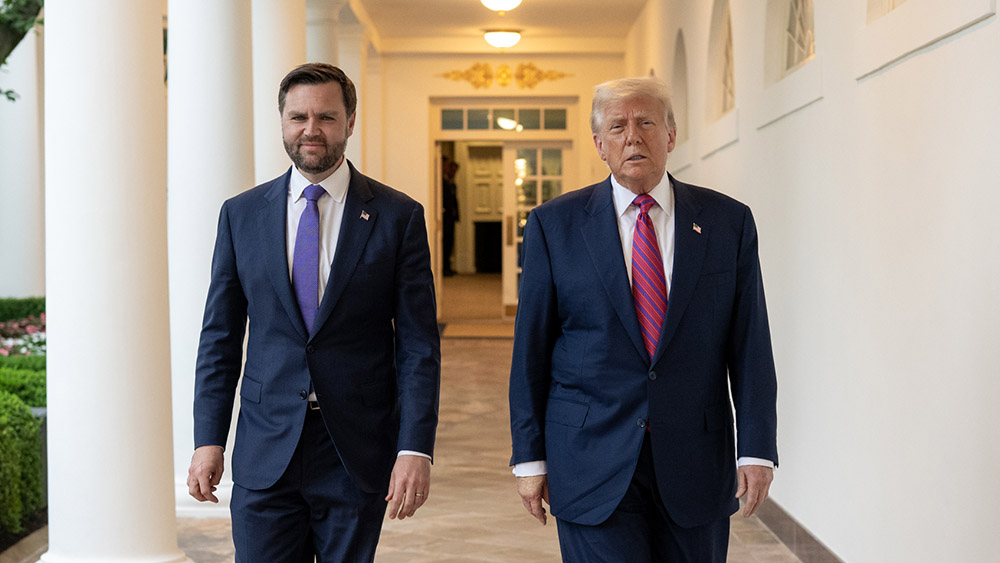
President Donald Trump rejected reports that he was angry with Vice President J.D. Vance over the latter's assessment that the Iran war contributed to Republican losses in the midterm elections.
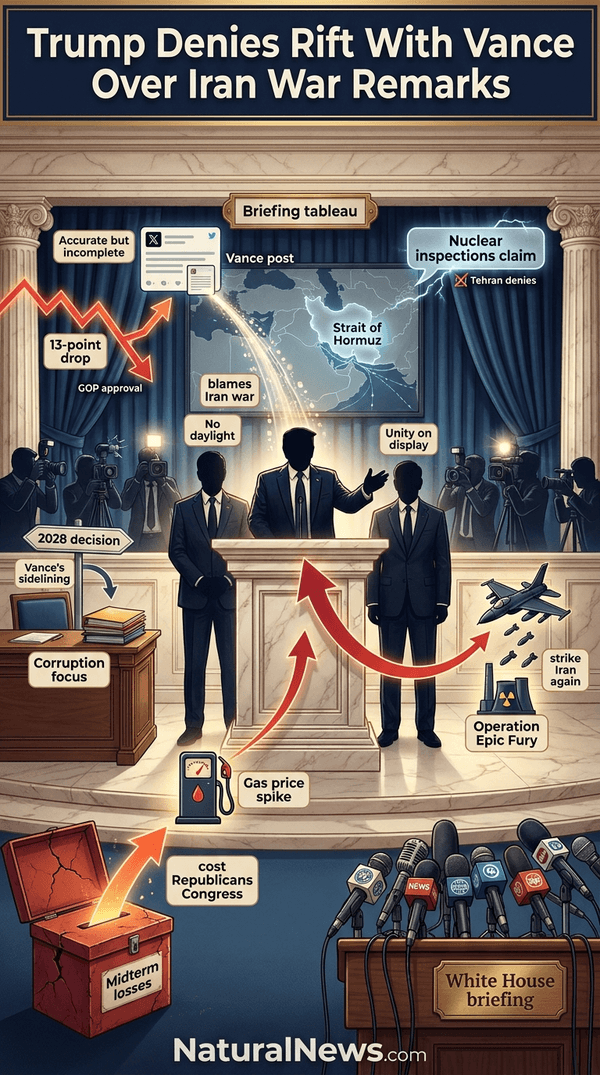
Speaking at a White House briefing alongside Vance and Secretary of State Marco Rubio on Friday, Nov. 20, Trump said he was not upset. He described the vice president's remarks as accurate, but with one exception: Vance should have added that he would "absolutely" strike Iran again if given the chance.
Vance Remark and Republican Midterm Losses
The exchange followed reports that Vance blamed the Iran war for the GOP's losses in the Nov. 3 midterm elections. The vice president's critique, published in a roughly 600-word statement on X the day after the midterms, described the war as the central cause of the party's defeat, according to the BBC [1].
Trump himself had acknowledged days after the election that the war and high gas prices were responsible for the GOP's defeat, adding "dislike" for Israel as a third factor in an interview with CBS News' "60 Minutes" [2]. GOP approval of Trump's handling of the Iran war fell 13 percentage points between March and September, according to a CNN/SSRS poll released in September. The decline highlighted the political costs of the conflict ahead of the midterms.
Trump Reiterates Iran Nuclear Position
Trump used the briefing to restate his position that Iran cannot be permitted to obtain a nuclear weapon, a rationale he has attached to the war since U.S. forces launched Operation Epic Fury in February 2026. The president's comments tied the denial of a rift to his stated policy rationale for the Iran war, which he has described as necessary to stop Tehran from developing nuclear weapons. Earlier in the conflict, Trump said Iran had agreed to "highest level nuclear inspections long into the future (infinity)" in a Truth Social post, despite Tehran's categorical denials, according to NaturalNews.com [3].
Vance, for his part, declined at the same press conference to endorse the president's claim that the attacks were necessary or that he would have authorized them, saying the decision to attack had been the president's call, according to Middle East Eye [4]. "My job is to support the president," Vance said. The vice president had said days earlier that he and Trump had "no daylight" on the Iran war, telling Fox News' Laura Ingraham that Trump would not let the conflict become a "forever war" [5].
White House Works to Contain Public Split
The briefing exchange showed how the Iran war has become a political liability for Republicans and how the White House is working to contain any public split between the president and vice president. Trump appeared alongside Vance and Rubio during the exchange, a detail included in accounts of the briefing. The account, which relied on anonymous sources, marked a shift from Trump's earlier public posture, when he said of Vance's assessment, "I think it's largely true" [6].
Trump's statement that Vance's comment was accurate, while adding his own preferred wording, was presented as a rejection of any reported rift. The White House had denied similar reports of a split in July, after Trump characterized talks with Iran as a "waste of time" and Vance expressed frustration during an appearance on conservative media [7].
More recently, Trump has sidelined Vance from Iran negotiations, saying the U.S. does not need a deal with Iran and directing the vice president to focus on "corruption" instead, according to the New American [8]. No additional details about internal discussions were included in the provided account.
Vance has said he will decide "sometime next year" whether to run for president in 2028, telling Fox News that when he makes a decision he will "be all in on whatever that decision is" [9]. Trump's endorsement would be a significant factor in that decision, and the public exchange over the war's political cost has been watched closely by Republicans as the party regroups after the midterms.
Conclusion
Trump flatly denied being upset with Vance over the Iran war remarks and said Vance's statement was fine except for one addition about striking Iran again. The president's comments at the briefing, delivered with Vance and Rubio at his side, were aimed at closing the door on reports of a rift between the two men.
The exchange underscored the political sensitivity of the Iran war for Republicans after midterm losses and the administration's effort to contain any public disagreement. Vance's post-election critique had been one of the sharpest breaks with a sitting president in recent memory, and Trump's response sought to absorb the critique as his own rather than dispute it.
Trump reiterated that Iran cannot have a nuclear weapon, according to the account of Friday's briefing, and said he would strike the country again if given the chance. Vance, standing beside him, declined to endorse that position directly, saying it was the president's decision to make and that his job was to support the president.
References
- Vance walks Trump tightrope with scathing election critique blaming Iran war. https://bbc.com/news/articles/crz98zqkz7z0o
- Trump on “60 Minutes”: War, Gas Prices, Dislike of Israel Caused GOP Defeat; Ready to “Work a Deal” to Keep Illegals in Country. https://thenewamerican.com/us/trump-on-60-minutes-war-gas-prices-dislike-of-israel-caused-gop-defeat-ready-to-work-a-deal-to-keep-illegals-in-country/
- Trump demands nuclear inspections "into infinity" as fragile Iran deal holds - NaturalNews.com, June 24, 2026.
- Vance refuses to endorse Iran strikes despite pressure from Trump. https://www.middleeasteye.net/live-blog/live-blog-update/vance-refuses-endorse-iran-strikes-despite-pressure-trump
- Vance Says Trump Will Make Sure Iran Is Not a ‘Forever War’. https://theepochtimes.com/world/vance-says-trump-will-make-sure-iran-is-not-a-forever-war-6125859
- Trump Reportedly Frustrated With Vance Over Iran War Criticism, NYT Reports. https://www.naturalnews.com/2026-11-21-trump-frustrated-with-vance-iran-war-criticism.html
- White House denies rift between Trump, Vance over Iran policy. https://www.israelhayom.com/2026/07/17/white-house-denies-trump-vance-iran-rift/
- Trump: Vance to Focus on Corruption; No Iran Deal Needed Because U.S. Controls Strait. https://thenewamerican.com/us/politics/foreign-policy/trump-vance-to-focus-on-corruption-no-iran-deal-needed-because-u-s-controls-strait/
- Vance says he will decide 'sometime next year' about 2028 US presidential run. https://bbc.com/news/articles/cwkgr9m41engo
Explainer Infographic








Please contact us for more information.