


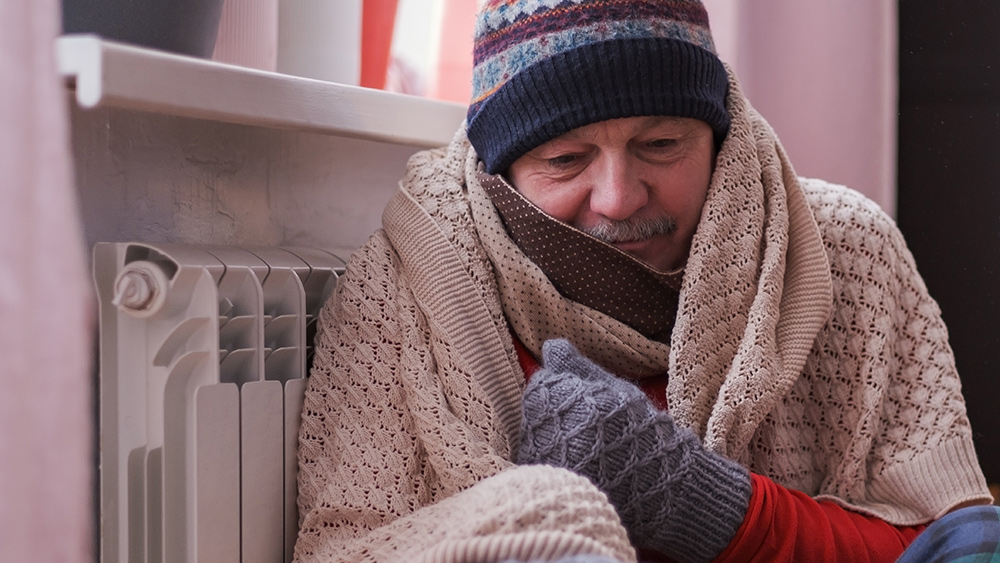
A recent article on RethinkSurvival.com outlined three methods for staying warm during a power outage: a propane heater, an indoor space heater, and a generator switch wired to a home's HVAC system. Author Damian Brindle described personal experience with each approach and issued safety warnings alongside the recommendations [8].
Brindle said that the appeal of the three options lies in their differing levels of cost, complexity, and intended duration of use. He added that he has used a propane heater for many years, has previously written about an indoor space heater, and recently purchased a generator switch for his HVAC system that he has not yet installed.
Brindle also referenced a fourth method: an inverter powered by a vehicle.
The recommendations arrive as winter outages remain a recurring concern. NaturalNews.com reported in January 2026 that a polar vortex plunging temperatures up to 45 F below average affected more than 300 million Americans, and described the fragility of public infrastructure during such events [1].
In January 2026, The Associated Press reported that Mississippi dispatchers were fielding calls for medication or oxygen from people stuck in their homes and that it could be days before power was restored across the South [2].
Propane Heater: Use with Caution
The first method Brindle described is a propane heater. He said he has owned a propane heater for many years but rarely uses it now, mostly because he dislikes buying the one-pound propane canisters it consumes [8].
Brindle said he owns the hose and regulator needed to connect the unit to larger tanks, which he described as far more economical [8].
Terri Reid, author of The Everything Guide to Living Off the Grid, advises that buyers choose a portable heater approved by a nationally known safety-testing laboratory, such as Underwriters Laboratories or Factory Mutual Research Corporation, and look for a broad, solid base and an automatic cutoff switch that trips when a unit is tipped over [3].
Indoor Space Heater: A Dual-Purpose Prepping Tool
The second method is an indoor space heater, with some models also functioning as an alternative way to cook food when disaster strikes [8].
Brindle explained that the device provides both heat and a means to cook food, though he advised that using gel fuel is probably not the most economical choice. He added that he likes the dual-use design, which he noted is what the product is meant for, unlike the practice of modifying other heating units [8].
Brindle also stated that it might be hard to find dual-purpose indoor space heaters, though he suggested alternatives may exist if you are interested in buying one [8].
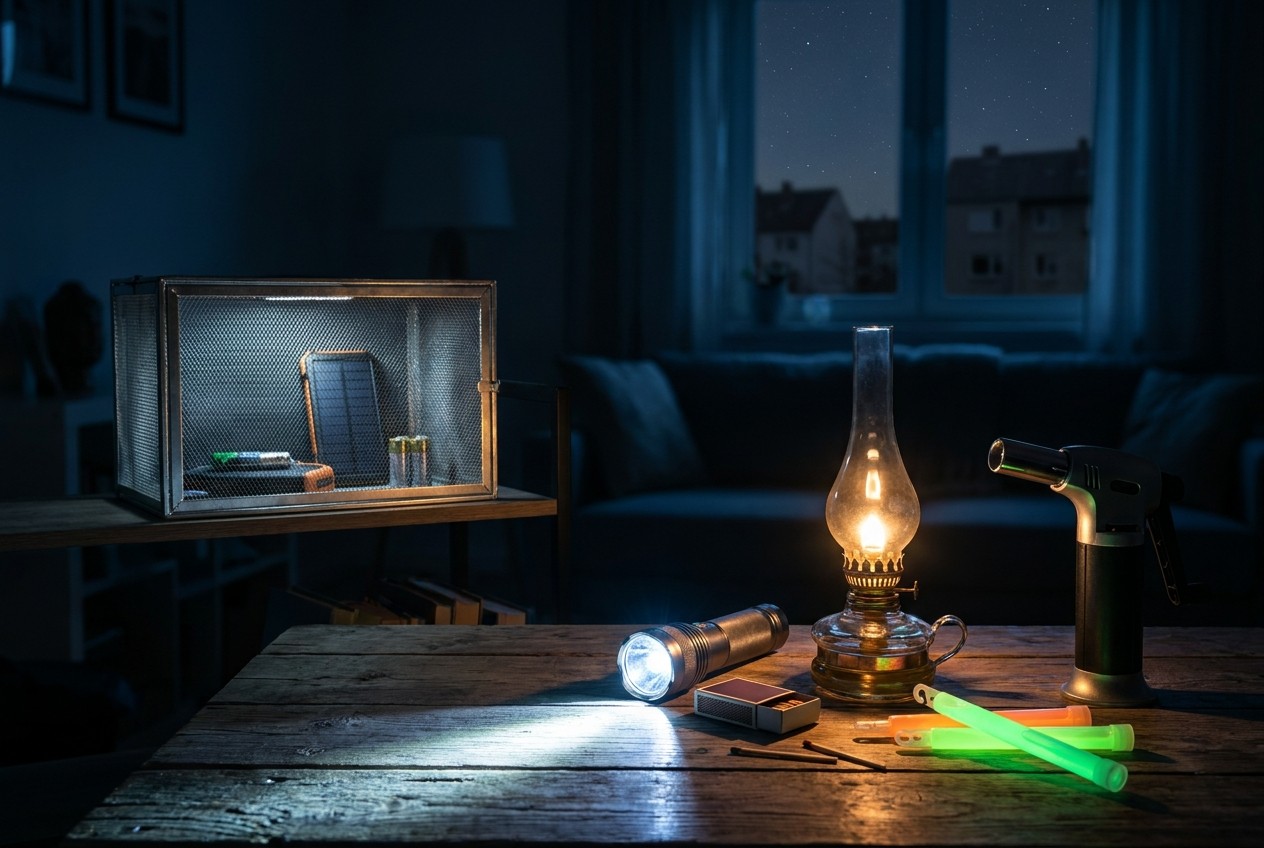
Separate guidance on emergency cooking holds that reliable fire-starting tools such as lighters and matches are crucial because they work with nearly all fuel types, according to NaturalNews.com's article on survival cooking basics [4].
Another report advised in September 2022 that households preparing for winter outages should stock fuel before an emergency occurs [5].
Generator Switch for HVAC: A Longer-Term Solution
The third method, which Brindle described as the one he is most interested in, is adding a generator switch to a home's HVAC system. He said he recently purchased such a switch but has not yet installed it [8].
Brindle said the switch works so that when it is flipped, power can come only from a provided inlet, which you would then power with a solar generator or something similar. When flipped the other way, the HVAC system will use only house or AC power [8].
Brindle emphasized that buyers should make sure they are purchasing a truly legitimate, UL-listed device. This can prevent serious accidents, such as a house fire, if you buy a subpar product [8].
Broader research on backup power supports the attention to equipment quality. A 2007 cost-benefit analysis in Energy Policy by Jerry Jackson of Texas A&M University examined emergency power for critical municipal services and noted that electric power failures after disasters cripple the delivery of critical emergency services [6].
Additional Methods and Conclusion
Brindle also discussed using an inverter powered by a vehicle, a method he covered elsewhere many times, including as far back as 2013 [8]. NaturalNews.com reported in June 2025 that power outages can happen because of storms, disasters, or infrastructure failures, making preparedness crucial [7].
Taken together, the three methods the author outlined serve different needs and budgets: a portable propane unit for localized heat, a dual-purpose gel-fuel appliance for heat and cooking, and a hard-wired switch that lets a solar generator or similar source run a central HVAC system [8].
References
- The Complete Cold Weather Survival Blueprint: Protecting Your Home, Health and Freedom from Infrastructure Collapse. https://www.naturalnews.com/2026-01-24-the-complete-cold-weather-survival-blueprint.html
- Situation in South grows dire after days of frigid temps, widespread outages. https://www.newsnationnow.com/weather/ap-situation-in-us-south-grows-more-dire-after-days-of-ice-frigid-temperatures-and-widespread-outages/
- Everything Guide to Living Off the Grid, The. Terri Reid [Reid, Terri]
- Survival cooking basics: Essential gear and fuel for every scenario - NaturalNews.com, March 19, 2025.
- 14 Alternative ways to stay warm without electricity - NaturalNews.com, September 02, 2022.
- Ensuring emergency power for critical municipal services with natural gas-fired combined heat and power (CHP) systems: A cost–bene?t analysis of a preemptive strategy. by Elsevier. Energy Policy 2007
- Thriving without electricity: Essential survival tips for any situation - NaturalNews.com, June 17, 2025.
- Three Easy Ways to Keep Warm During a Power Outage. https://rethinksurvival.com/three-easy-ways-to-keep-warm-during-a-power-outage/





Please contact us for more information.