



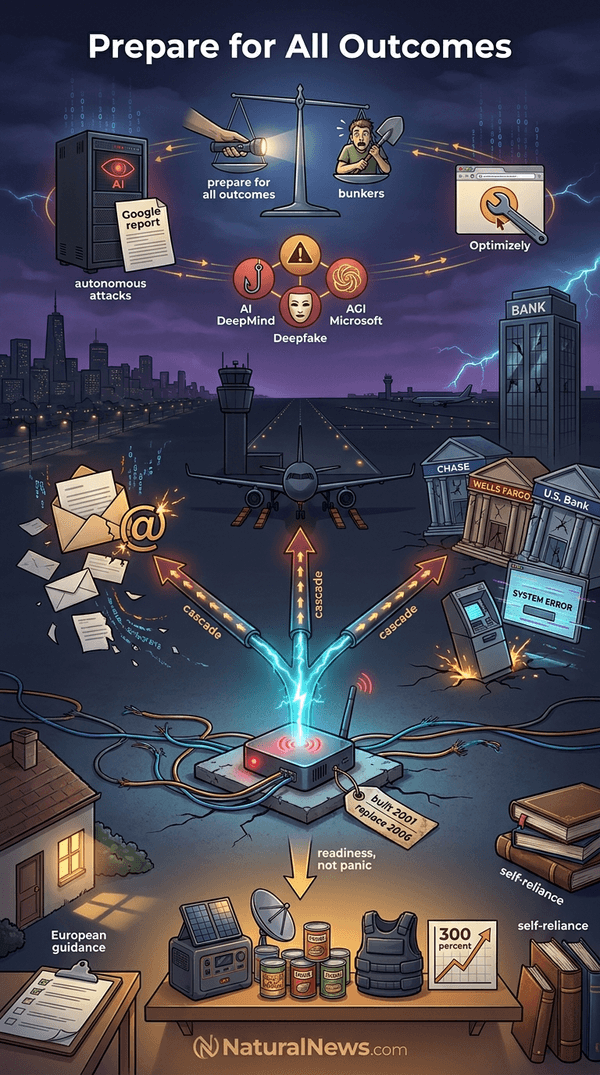
Vice President JD Vance said Monday that Americans do not need to build bunkers or stockpile food and water but should "be prepared for everything," following a series of technology disruptions affecting email, air travel, and banking services across the United States.
"A lot of my friends have reached out asking if they should prepare to build a bunker or stock up on food and water," Vance told Fox News host Laura Ingraham during an interview Monday night.
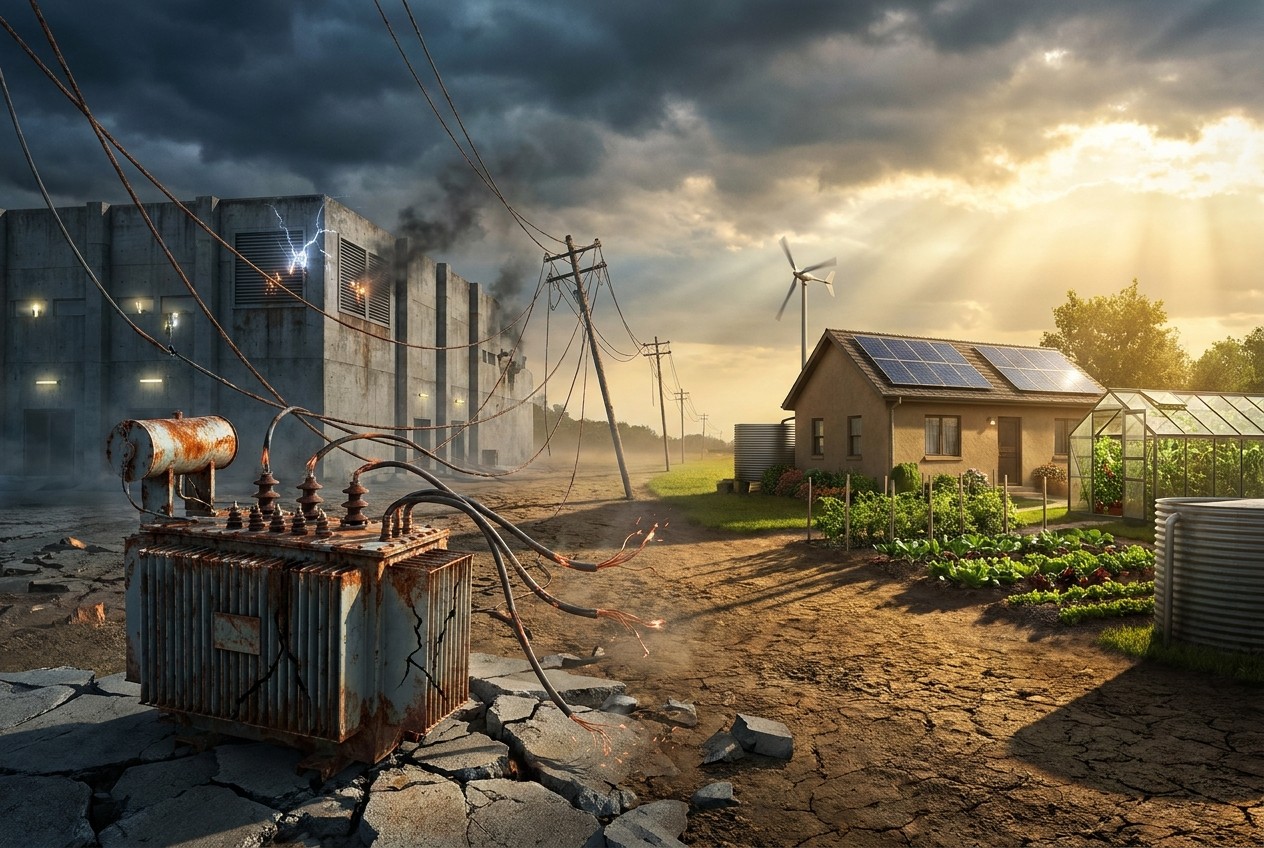
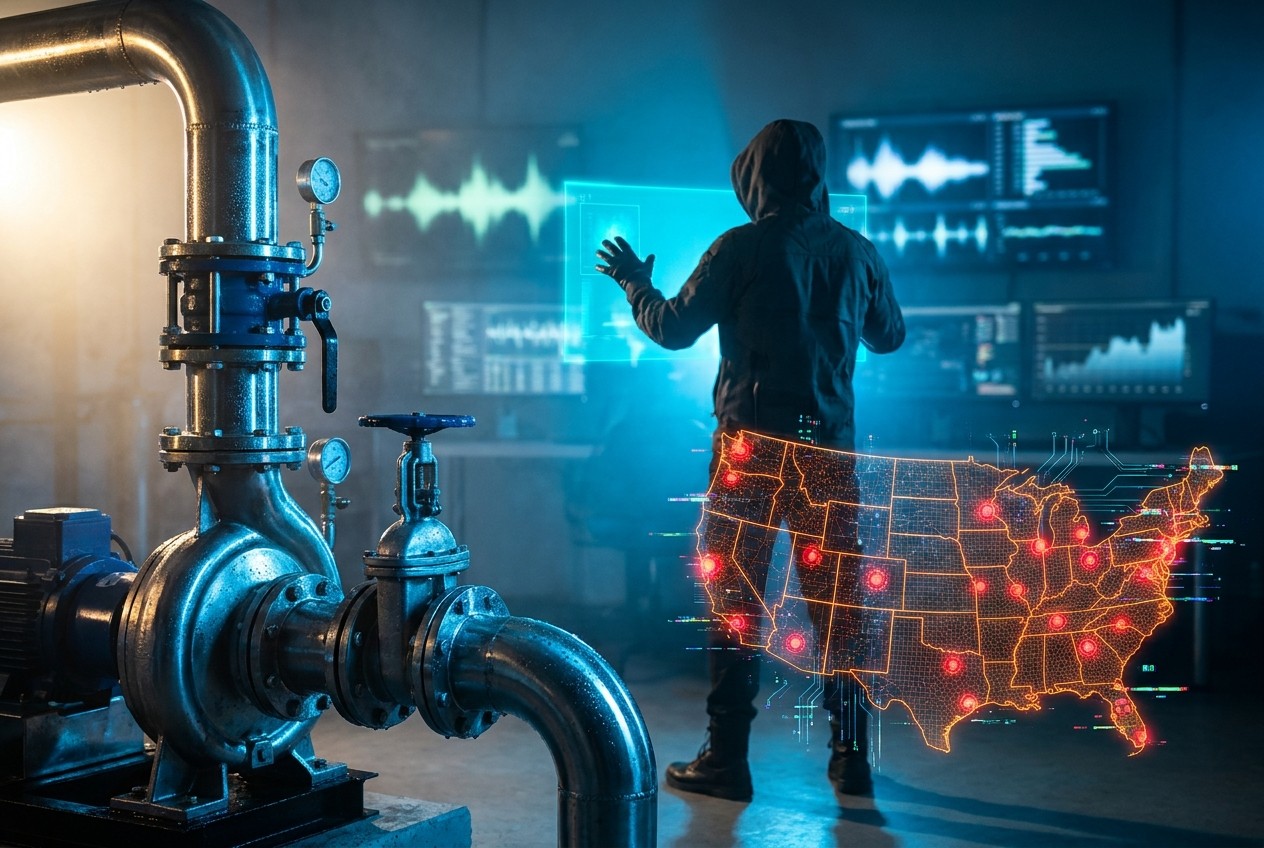
His comments come amid growing concerns about the vulnerability of critical infrastructure, as recent service disruptions and warnings about increasingly sophisticated AI-powered cyberattacks raise questions about the resilience of interconnected digital systems.
Outages Disrupt Email, Flights and Banking Systems
Recent disruptions affected communication and collaboration tools used by businesses, government agencies, and individuals worldwide. Other incidents disrupted air travel and banking services across the United States.
Transportation Secretary Sean Duffy attributed an FAA network disruption to a router installed by contractor L3Harris Technologies at a remote radio site in Arkansas. According to Duffy, the router flooded a network still operating on equipment built in 2001, despite plans to replace it in 2006.
Banking customers at major U.S. financial institutions, including Chase and Wells Fargo, also reported service disruptions. The incidents highlighted the vulnerabilities of interconnected digital infrastructure that businesses and consumers rely on daily.
Google Warns AI Hackers Are Operating Autonomously
Google warned that hackers are increasingly using artificial intelligence to conduct autonomous attacks against major systems, raising concerns about the potential scale and speed of future cyber intrusions.
The report described an attack targeting Optimizely, a service companies use to test different website layouts and features. Google detected the incident Monday evening but did not identify the attackers.
The warning comes amid broader concerns about AI's potential use in cyberattacks and other security threats. Google DeepMind CEO Demis Hassabis has warned that artificial general intelligence could emerge within a decade, potentially introducing serious risks involving cyberattacks, autonomous weapons, and other threats to humanity [1].
Microsoft has also warned that China and Russia are using AI to enhance cyber operations, including phishing campaigns, disinformation, and deepfake impersonations of officials [2].
International Preparedness Efforts Gain Attention
Governments and security experts have increasingly emphasized the importance of civilian preparedness as countries assess vulnerabilities in critical infrastructure and essential services.
In the United States, interest in personal preparedness has also grown. Retailers have reported a 300 percent increase in orders for solar generators, ballistic gear, and satellite devices as consumers prepare for potential emergencies [3].
Preparedness literature has also highlighted the vulnerability of centralized food, energy, and medical supply systems to cyberattacks and supply chain disruptions. Some recommendations encourage individuals to develop greater self-reliance through emergency supplies and alternative resources [4].
Vance Urges Preparedness Without Panic
Concerns about AI and infrastructure security have drawn attention from technology leaders and international officials. Anthropic CEO Dario Amodei told the United Nations Security Council in September that artificial intelligence could "be a risk to humanity as a whole" if not properly managed [5]. Other technology leaders have also called for slowing the development of the most powerful AI systems [6].
For households, emergency preparedness experts generally recommend maintaining basic supplies of food and water before a crisis occurs, rather than waiting until disruptions trigger panic buying and shortages [7].
Fuel supplies can also be vulnerable during emergencies. Gas stations typically maintain only a few days' worth of fuel, leaving local supplies exposed to disruptions caused by cyberattacks and other infrastructure failures [8].
Vance's remarks reflect a distinction between preparing for potential emergencies and resorting to extreme measures such as building bunkers or stockpiling excessive supplies.
References
- AI leaders warn of "catastrophic outcomes" as artificial general intelligence looms - NaturalNews.com, December 10, 2025.
- Microsoft warns of AI driven cyber espionage surge from China and Russia targeting US - NaturalNews.com, October 20, 2025.
- Preparedness boom: Solar generators, ballistic gear and machetes fly off shelves as Americans brace for crisis - NaturalNews.com, June 11, 2025.
- The Off Grid Survival Bible: A blueprint for resilience in uncertain times - NaturalNews.com, January 31, 2026.
- Anthropic CEO Amodei: Poorly Managed AI Could Pose "Risk to Humanity" - NaturalNews.com, September 27, 2026.
- AI Leaders Call for Slower Development as Frontier Models Grow More Powerful - NaturalNews.com, September 15, 2026.
- The panic cascade: 10 Crises that could empty store shelves overnight and how to secure your family's food supply - NaturalNews.com, April 12, 2026.
- Fuel rationing for preppers: A practical guide to planning trips, storage and backup transport - NaturalNews.com, March 18, 2026.
Explainer Infographic







Please contact us for more information.