



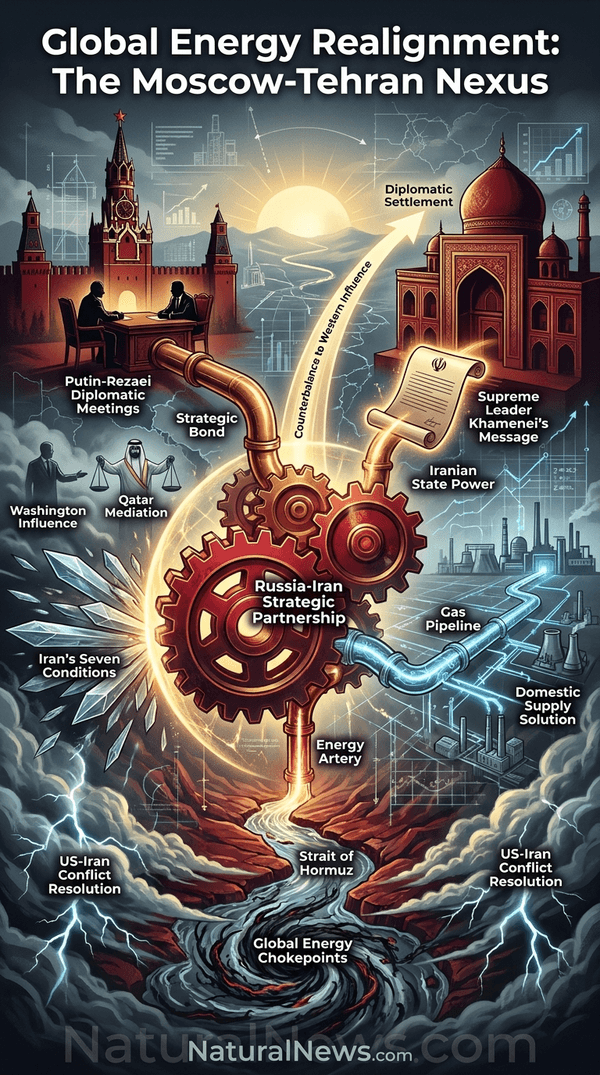
Russian President Vladimir Putin met Iran's top security official, Mohsen Rezaei, at the Kremlin. The discussions focused on regional security and economic cooperation, according to Tehran [1].
The Kremlin did not disclose what was discussed during the meeting, according to the announcement [1]. Photos of the meeting showed Putin and Rezaei seated across from each other.
The meeting comes amid ongoing diplomatic efforts to end the conflict between Iran and the United States. Rezaei's visit to Moscow follows a phone call between Putin and Rezaei earlier in the week, according to Kremlin spokesman Dmitry Peskov [2]. The Kremlin has not commented on the substance of the talks beyond confirming the meeting took place.
Iranian Official Delivers Message, Cites Delays
Rezaei delivered a personal message from Supreme Leader Mojtaba Khamenei to Putin, Iranian state media reported. The contents of the message were not disclosed [3]. According to the reports, the message was delivered during the Kremlin meeting on Thursday.
Rezaei said the meeting should have taken place a month ago but was delayed due to 'special circumstances' as discussions regarding the military situation in the region were being raised every day. He said important regional issues were discussed with Putin, including significant conversations about the post-war period and regional security arrangements.
The discussions also included a proposed Russia-Iran gas pipeline intended to address Iran's domestic gas shortages and allow Moscow to sell gas to neighboring countries, Rezaei said. He did not provide further details on the pipeline proposal. The Kremlin has not confirmed the pipeline discussions.
Tehran Sets Conditions for Strait of Hormuz
The meeting comes amid renewed diplomatic efforts to resolve the US-Iran war, which has disrupted flows of oil and liquefied natural gas through the Strait of Hormuz. The conflict has driven up global energy prices and fuel costs in the United States. The Strait of Hormuz is a critical chokepoint for global energy supplies, with about 20 percent of the world's oil passing through it.
Qatar has been mediating between Washington and Tehran, recently hosting several rounds of talks, the New York Times reported Thursday, citing sources. The newspaper said Iran is reviewing proposals concerning its nuclear program. US Vice President J.D. Vance sent Rezaei a letter last month proposing direct peace talks including nuclear issues, according to the newspaper.
Rezaei said Tehran presented Washington with seven conditions, stressing that unless the United States complies, Iran 'will neither open the Strait of Hormuz nor have negotiations.' The conditions include a complete halt to hostilities including in Lebanon, ending the naval blockade of Iranian ports, lifting sanctions, releasing frozen Iranian assets, and paying war reparations. Iran's demands signal that any diplomatic breakthrough will require significant concessions from Washington.
Russia Cites Diplomatic Options, Partnership With Iran
Russia signed a 20-year comprehensive strategic partnership treaty with Iran last year, according to official statements. The treaty, signed by Putin and Iranian President Masoud Pezeshkian on January 17, solidified military, economic and energy ties between the two countries to counterbalance Western influence [4][4]. The pact aims to deepen cooperation in various sectors.
Russia has called for a diplomatic settlement to the conflict and offered help in resolving the crisis. According to Ushakov, during talks with US presidential envoy Steve Witkoff in St. Petersburg last month, Putin said diplomatic options are 'far from exhausted.' The Kremlin has positioned itself as a potential mediator in the conflict, though it has not publicly outlined a specific peace plan.
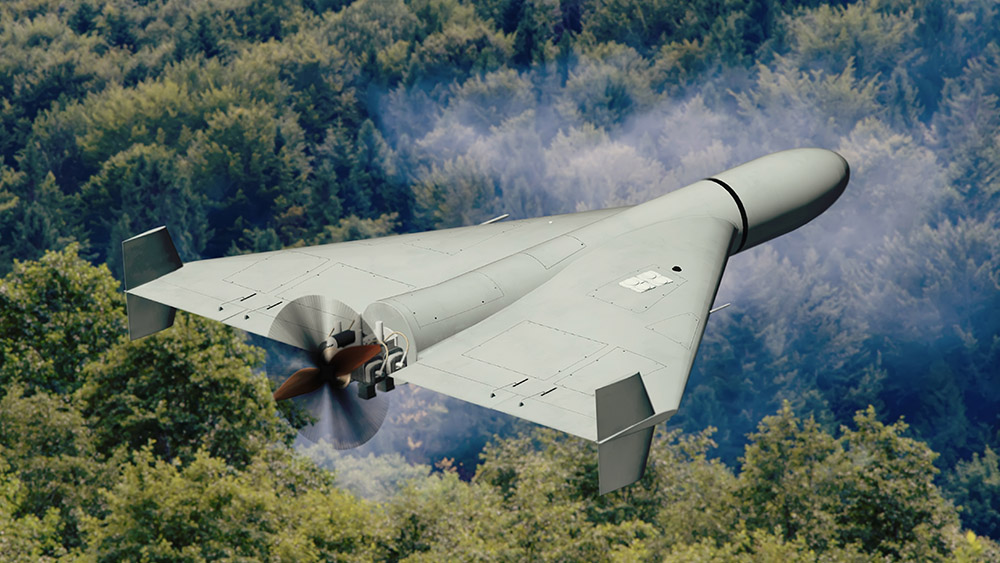
The Kremlin has not disclosed details of the Putin-Rezaei talks beyond the announcement, and state media published photos of the meeting. The meeting underscored the deepening ties between Moscow and Tehran, which have expanded military and intelligence cooperation in recent years [5][6]. Russia's role as a potential mediator and energy partner remains under discussion, officials said.
Regional Diplomacy Continues Without Breakthrough
No joint statement or agreement was announced after the Kremlin meeting. The absence of a public outcome suggests that the talks did not produce a breakthrough in the diplomatic efforts to end the conflict.
Iran's conditions and the U.S. response remain unclear, while Qatar's mediation efforts continue, according to reports. The diplomatic process appears to be ongoing, with multiple parties involved in trying to find a resolution to the conflict.
Russia's role as a potential mediator and energy partner remains under discussion, officials said. The Kremlin meeting between Putin and Rezaei is part of a broader diplomatic push that involves Qatar, the United States, and other regional players. The outcome of these efforts remains uncertain.
References
- Putin meets with Iranian security chief. https://www.globalvillagespace.com/putin-meets-with-iranian-security-chief/
- Iranian security chief Mohsen Rezaei meets Putin at Kremlin. https://www.jfeed.com/latest-news/iranian-security-chief-mohsen-rezaei-meets-putin-at-kremlin-58744
- Putin Meets Iranian Security Chief, Receives Khamenei Message. https://ijr.com/discover/putin-meets-iranian-security-chief-receives-khamenei-message-8ee0440a
- Russia and Iran forge 20 year defense and energy pact challenging Western influence - NaturalNews.com, January 20, 2025.
- Russia and Iran deepen military alliance sharing drone tech and intelligence against US - NaturalNews.com, March 20, 2026.
- Russia accused of providing Iran with US military intel amid escalating Middle East conflict - NaturalNews.com, March 09, 2026.
Explainer Infographic









Please contact us for more information.