


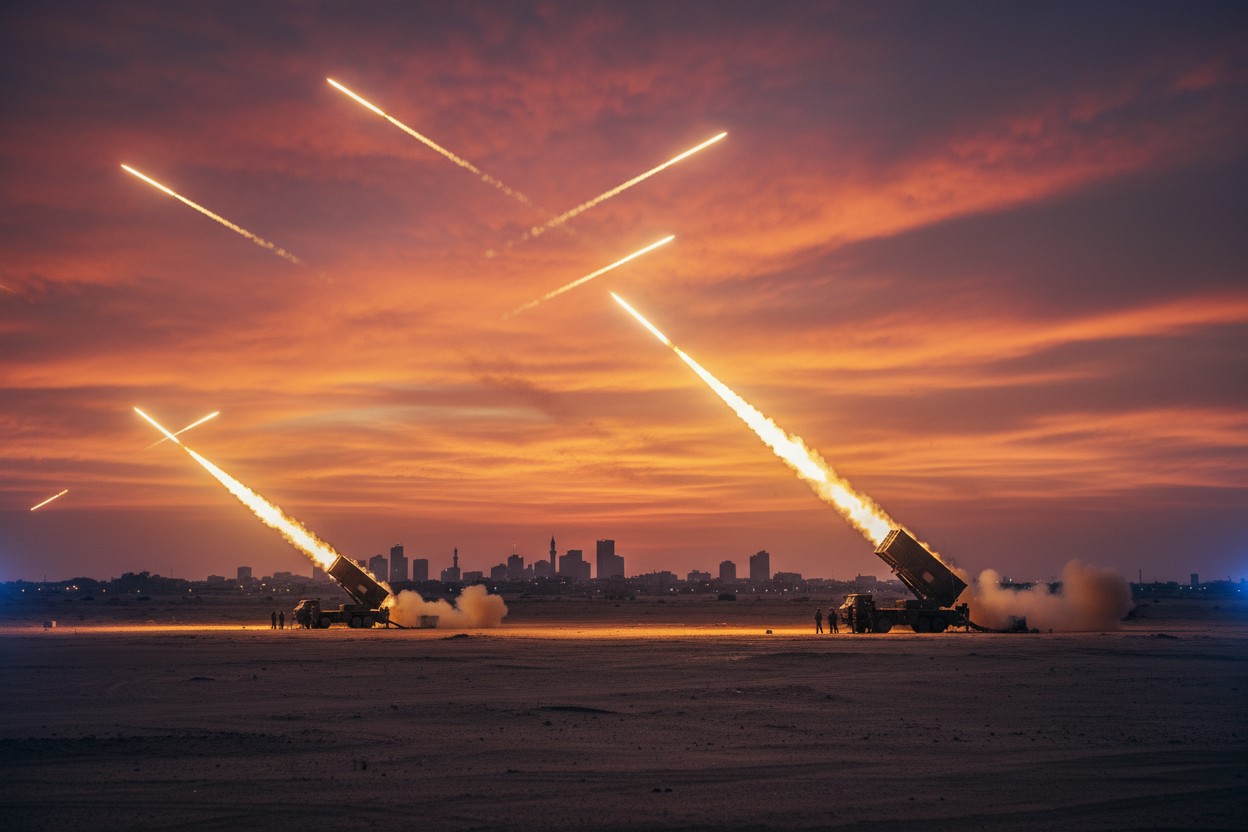
- Russia’s state arms exporter Rosoboronexport will unveil its Anti-Drone Dome at the Russia-Africa Summit in Moscow on October 28-29.
- The multilayered system links surveillance, jammers, missiles and physical barriers to protect cities, infrastructure and troops.
- Each Dome is customized for the buyer and built entirely from Russian-made components.
- Rosoboronexport Director General Alexander Mikheev says the system safeguards supply chains and reassures investors.
- The pitch comes as Africa faces a surge in drone attacks by jihadists and warring factions.
Russia’s state arms exporter Rosoboronexport will debut a comprehensive anti-drone defense system called the “Anti-Drone Dome” at the third Russia-Africa Summit in Moscow on October 28-29, the company announced. The system is designed to shield civilians, military personnel, critical infrastructure, bridges, buildings, and energy facilities from unmanned aerial vehicle attacks — a capability Russian officials are actively pitching to African partner nations. Optional packages extend that protection to VIP convoys and sensitive cargo.
The project is built on lessons learned countering drones in recent military and counterterrorism operations, according to Rosoboronexport, which is part of the state-owned Rostec corporation.
Multilayered network links surveillance, jammers and firepower
The Anti-Drone Dome is not a single weapon but rather an integrated network of several technologies working together. Rosoboronexport officials described it as a multilayered system combining airspace monitoring, drone-jamming and drone-killing equipment, and physical barriers, all tied together by automated command and control and a geoinformation system.
“All the equipment and solutions used in this system have proven their effectiveness in real conditions,” Alexander Mikheev, director general of Rosoboronexport, said in a statement carried by state media.
The design allows for customization based on the specific facility or client, company officials noted. Every component is manufactured in Russia.
Showcasing specific weapons and detection gear for potential buyers
At the summit, Rosoboronexport plans to present a range of drone-killing hardware available under the Anti-Drone Dome umbrella. These include the Pantsir-SMD-E air defense missile system, the Pantsir-S1M missile-and-gun system, the Verba man-portable air defense system, the TKB-1167 air defense system, and the Citadel anti-aircraft artillery system, which fires programmable-detonation rounds.
For electronic warfare and detection, the company will present the Silok, Repellent-Patrol, Sky-Hunter 4PC, and an anti-drone version of the Radescan system. These are designed to spot drones and scramble the signals operators use to steer and navigate them.
Sales pitch comes as Ukrainian drones keep striking Russia
Mikheev framed the system in economic as well as military terms. “A well-structured, properly implemented system like this goes a long way toward proving the effectiveness of both government administration and business operations,” he said. “It helps safeguard supply chains and signals to investors that their investments are safe.”
Moscow has had plenty of real-world practice. Ukrainian drones have repeatedly hit Russian oil refineries, warehouses and data centers, at times punching through the country’s air defenses. President Vladimir Putin replaced the commander of Russia’s Aerospace Forces this spring after a string of damaging strikes.
The third Russia-Africa Summit will be held at Moscow’s Gostiny Dvor fairground. Rosoboronexport said the project was developed alongside top domestic makers of counter-drone systems and specialists from Russian law enforcement.
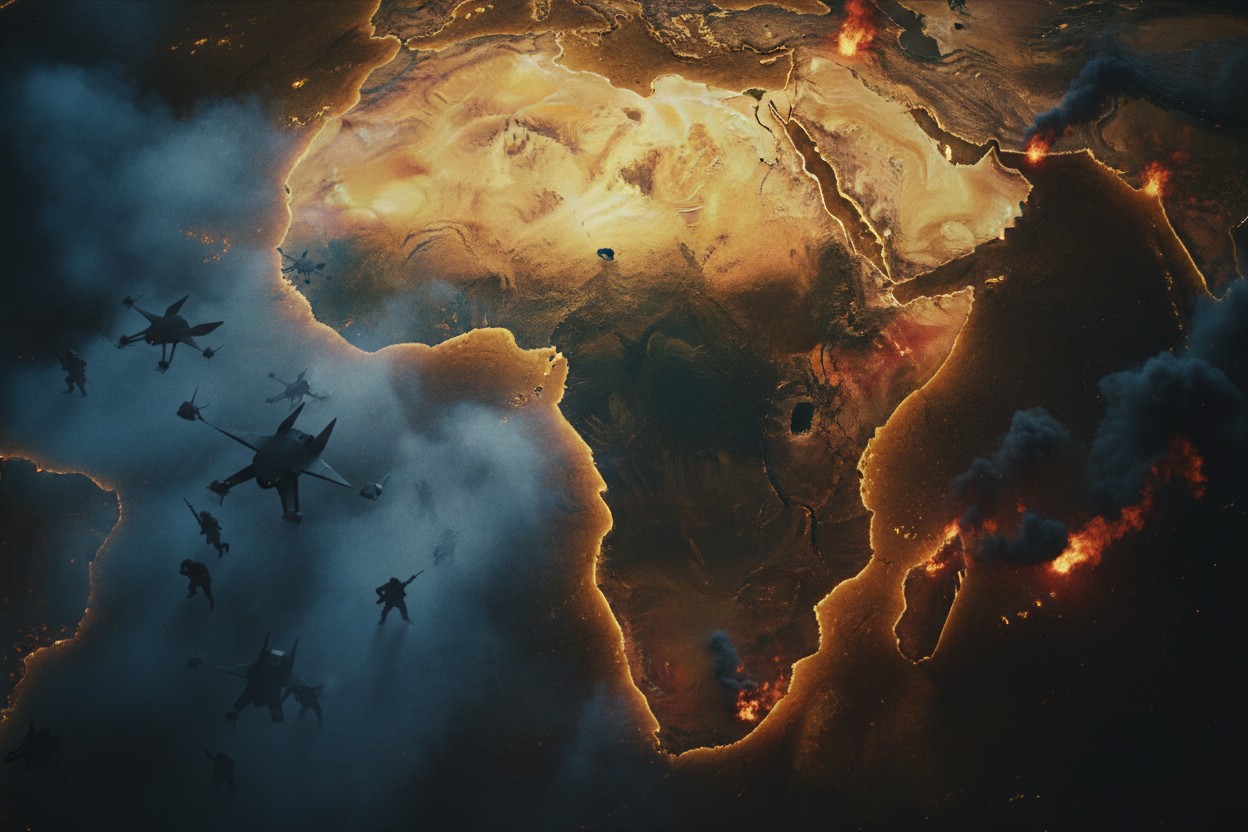
For many African governments, the timing could not be better. Jihadist groups across the Sahel, including al-Qaeda-linked JNIM, now attach explosives to cheap commercial drones. Sudan’s civil war has also moved into the skies, with at least 100 people reportedly killed in a wave of drone attacks this week.
Western capitals, meanwhile, remain focused elsewhere. European Union leaders have committed €90 billion (about $105 billion) to cover Kyiv’s needs through 2027. Moscow, by contrast, is showing up in Africa with a catalog and a promise to build to each customer’s specs.
Whether the Dome lives up to its billing is another matter: Rosoboronexport has not yet published detailed performance data, and any buyer should demand it before signing. Still, for countries tired of being an afterthought in Western capitals, a seller offering made-to-order protection may be hard to turn away.
Sources for this article include:






Please contact us for more information.