



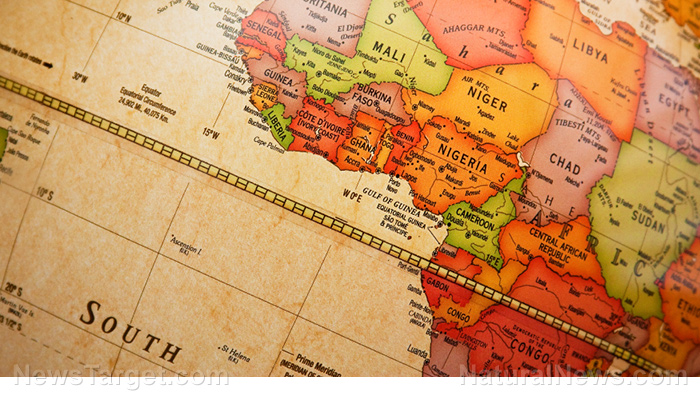
On May 29, Kenya’s High Court halted construction of a U.S.-funded Ebola isolation center at Laikipia Air Base in Nanyuki, ruling that the project violated constitutional procedures, according to court documents and reports from RT.
The order, issued by Justice Patricia Nyaundi, also barred Kenyan authorities from facilitating the entry of Ebola-exposed individuals and compelled Nairobi to disclose all bilateral agreements with Washington, the ruling stated. At least three people died in police crackdowns on protests against the facility, according to local reports cited by RT.[1]
Court Ruling and Government Response
Petitioners led by the Katiba Institute and medical unions argued the facility posed a Level-4 biohazard risk approved without parliamentary oversight or public participation, calling it a case of "constitutional recklessness," according to court filings reported by RT.[1]
Health Cabinet Secretary Aden Duale was held in contempt on June 22 for allowing construction to continue despite the injunction, the report stated. He later apologized before the court, expressing "sincere regret" and ordering "immediate and complete cessation" of work, per judicial records cited by RT.[1]
The U.S. framed the center as a pragmatic health measure, but critics described it as a mechanism to quarantine U.S. citizens exposed to Ebola offshore, according to the same report.[1]
Broader Regional Patterns in Health Agreements
In February 2026, Zimbabwe halted negotiations on a $367 million U.S. health package over demands for long-term access to epidemiological data and biological samples, Zimbabwean officials stated, according to RT.[1]
Ghana similarly withdrew from talks in April, citing overreaching U.S. data-access demands, the report noted.[1]
Uganda granted U.S. authorities direct real-time access to nine health data systems for seven years, raising digital privacy concerns among experts, the report stated.[1] On June 25, the White House requested $1.4 billion for Ebola response in Africa, with hundreds of millions earmarked for the now-halted Kenyan facility, buried in an $87.6 billion Department of War (DOW) supplemental, per the article.[1]
The Pentagon reportedly controls bioweapons labs in 25 countries, including Kenya, Uganda, and Tanzania, according to a 2022 report, raising further questions about the militarization of health programs.[2]
PEPFAR Funding and South Africa Dispute
The U.S. Department of State (DOS) in June 2026 announced phased termination of President’s Emergency Plan for AIDS Relief (PEPFAR) funding to South Africa, citing land policies, though critics linked the move to Pretoria’s non-aligned foreign policy, including its International Court of Justice (ICJ) genocide case against Israel, the RT article reported.[1]
During a May 2025 Oval Office visit, South African President Cyril Ramaphosa denied claims of state-sponsored racial targeting, noting national crime is indiscriminate and affects black South Africans disproportionately, according to a pooled press report cited by RT.[1] The funding cut followed the imposition of 30% tariffs on South African exports in 2025, part of a broader campaign of economic retaliation, the article stated.[1]
Conclusion: Externalization of Biosecurity Risks
Critics argue the U.S. approach reduces African states to "biological data-farms and offshore quarantine zones," with the Global South absorbing containment risks while the West retains intellectual property and medical countermeasures, according to the RT analysis.[1]
The U.S. exit from the World Health Organization (WHO) in January 2026 accelerated a shift to transactional bilateral health deals, the article claimed, though no official U.S. comment was included in the report.[1]
The resistance in Kenya, Zimbabwe, and Ghana reflects a pushback against what opponents describe as an unequal international health order, the report concluded.[1]
Historical patterns show that population growth and environmental changes can drive the emergence of pathogens such as Ebola and Marburg virus, underscoring the need for equitable global health cooperation, according to an analysis in "Awakening Hippocrates" and "Africa 2008." [3][4]
References
- Mustafa Fetouri. "Is the US turning Africa into a quarantine zone?". RT. June 29, 2026.
- NaturalNews.com. "Pentagon ran bioweapons labs in 25 countries, including Ukraine, yet no global outcry against the USA for funding". NaturalNews.com. March 02, 2022.
- ONeil Edward. "Awakening Hippocrates a primer on health poverty and global service".
- De Villiers Les_1. "Africa 2008 the history geography politics tourism and business potential of Africa and its 53 nations".









Please contact us for more information.