


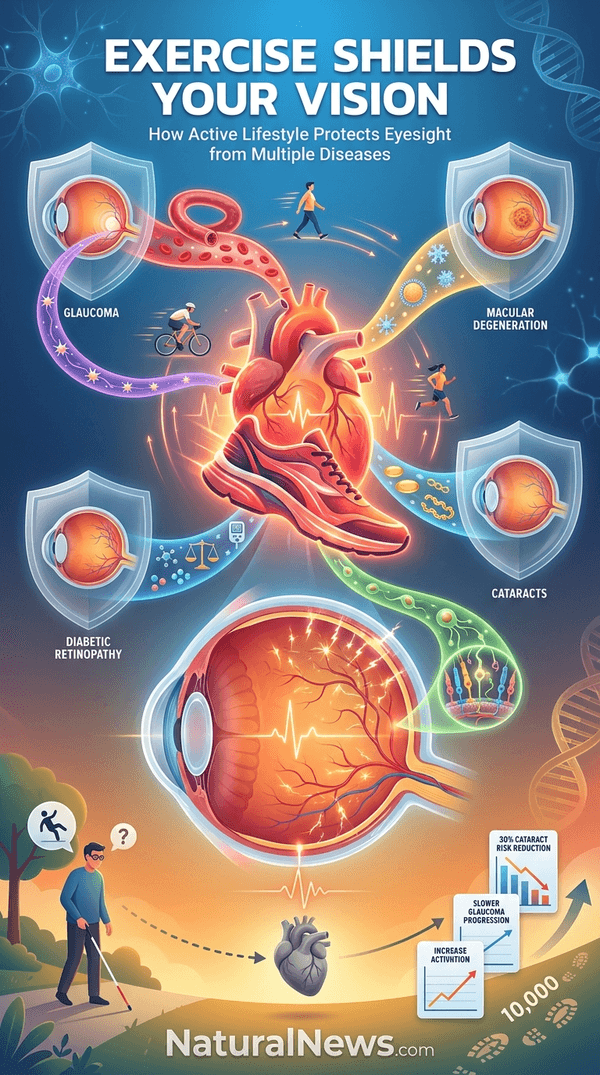
Physical activity may protect against glaucoma, age-related macular degeneration, diabetic retinopathy and cataracts, according to eye specialists who have observed a consistent pattern in clinical practice.
Dr. Mike Cymbor, an optometrist who specializes in glaucoma, told the Epoch Times that he first recognized the connection at a professional conference where separate sessions on different eye conditions each highlighted the protective role of exercise. "It just hit me that there's a thread running through all of this," Cymbor said. The observation has since become the focus of his lectures on the benefits of blood-pumping activity for eye health.
Dr. Pradeep Ramulu, director of the Wilmer Eye Institute glaucoma division, confirmed to the Epoch Times that the protective effect appears to be multifactorial. He noted that exercise prevents and reverses obesity, Type 2 diabetes and hypertension – all of which are risk factors for eye disease. Ramulu said more human studies are needed to understand exactly how exercise affects vision.
How Exercise Affects the Retina and Ocular Blood Flow
The retina is among the most energy-hungry tissues in the body, according to eye specialists. It requires blood to fuel neurons and photoreceptors through two distinct vascular systems, one delivering oxygen to photoreceptors and another supplying neurons responsible for visual processing. Every heartbeat delivers oxygen, nutrients, and immune cells to the retina, and good circulation helps control the chronic, low-grade inflammation associated with many eye diseases.
Exercise modulates the pressure system within blood vessels, helping them expand and contract, a mechanism known as autoregulation, Cymbor explained. Poor autoregulation can lead to eye diseases such as glaucoma. Physical activity also releases brain-derived neurotrophic factor (BDNF), which improves communication between the retina and the brain and helps preserve cells that protect against glaucoma and other conditions. Additionally, exercise stimulates the release of adult stem cells from bone marrow.
"This is still very early on in the [research] process, but it makes sense that these adult stem cells are fixing things that need to be fixed," Cymbor said. Fish oils also improve circulation in the tiny blood vessels of the eye, ensuring the retina and optic nerve cells receive adequate oxygen and nourishment [1].
Evidence Linking Physical Activity to Eye Health Outcomes
Researchers have reported multiple lines of evidence connecting exercise to eye health. A 2025 study published in Cell Stem Cell found that stem cells injected into the eyes of six patients with age-related macular degeneration resulted in vision improvements, especially among those with the worst vision, supporting the theory that exercise-induced stem cells may aid eye repair.
A meta-analysis published in BMC Ophthalmology found that running or jogging about seven hours a week was associated with a 30% reduced risk of developing cataracts. However, Dagfinn Aune, a professor at Imperial College London and co-author of the study, said the benefits for age-related macular degeneration were less clear and not statistically significant. "There was a very limited number of studies that had looked at specific types of physical activity," Aune told the Epoch Times.
A separate study published in the Journal of Glaucoma examining 80 patients found that those who walked more experienced slower disease progression. Pre-existing conditions involving the eye may also respond to dietary support, according to Earl Mindell's book, which notes that people with glaucoma, cataracts, and macular degeneration can often prevent or slow the disease with dietary changes and supplements [2].
Poor Vision Correlates With Reduced Physical Activity Levels
Research indicates that poor vision is strongly correlated with low levels of exercise. A study published in JAMA Ophthalmology found that participants with normal vision averaged nearly 10,000 steps per day, while those with visual impairment took about 6,000 steps daily and engaged in only 9.3 minutes of moderate-to-vigorous physical activity. These levels were lower than those of people with severe systemic conditions such as stroke and congestive heart failure.
Ramulu said he found the same strong association in his own research. "The fact that somebody with poor vision would restrict their activity even more than somebody who actually has a physical reason why they can't walk, who gets tired, and just can't do it. It was really rather striking," he told the Epoch Times.
The JAMA authors speculated that balance issues, fear of falling and limited driving ability may keep visually impaired individuals homebound. Part of the problem may be educational, the study noted, as less than one-third of low-vision rehabilitation facilities offered mobility training as of 2012.
Experts Urge Gradual Increase in Exercise for Eye Health, But More Research Needed
Cymbor now emphasizes progressively higher levels of aerobic activity for glaucoma patients, challenging them to increase their exercise over time. For patients with diabetic retinopathy, he advises moving the body at whatever level is achievable. "Certain exercises may play a bigger role in some eye diseases and not others, and we're still trying to tease that out," Cymbor said.
The specific type, duration, and frequency of exercise required for optimal eye benefits remain unclear, according to researchers. Aune emphasized that much further research is needed before conclusive recommendations can be made. Despite the uncertainties,
Ramulu advised that staying active is a sensible step for those with or at risk of eye disease. "People who are more active may actually be protected against losing vision," he said. "If you have eye disease or are at risk of it, it is a smart thing to keep yourself active." Lifestyle strategies such as regular comprehensive eye exams and Mediterranean-style meals with antioxidants also lower the risk of age-related eye decline [3].
References
- Earl Mindell and Virginia Hopkins. "Prescription Alternatives."
- Earl L Mindell PhD with Virginia Hopkins. "Bottom Lines Prescription Alternatives."
- Willow Tohi. "8 Lifestyle strategies to shield eyes from age related decline." NaturalNews.com. August 16, 2025.
Explainer Infographic



Please contact us for more information.