


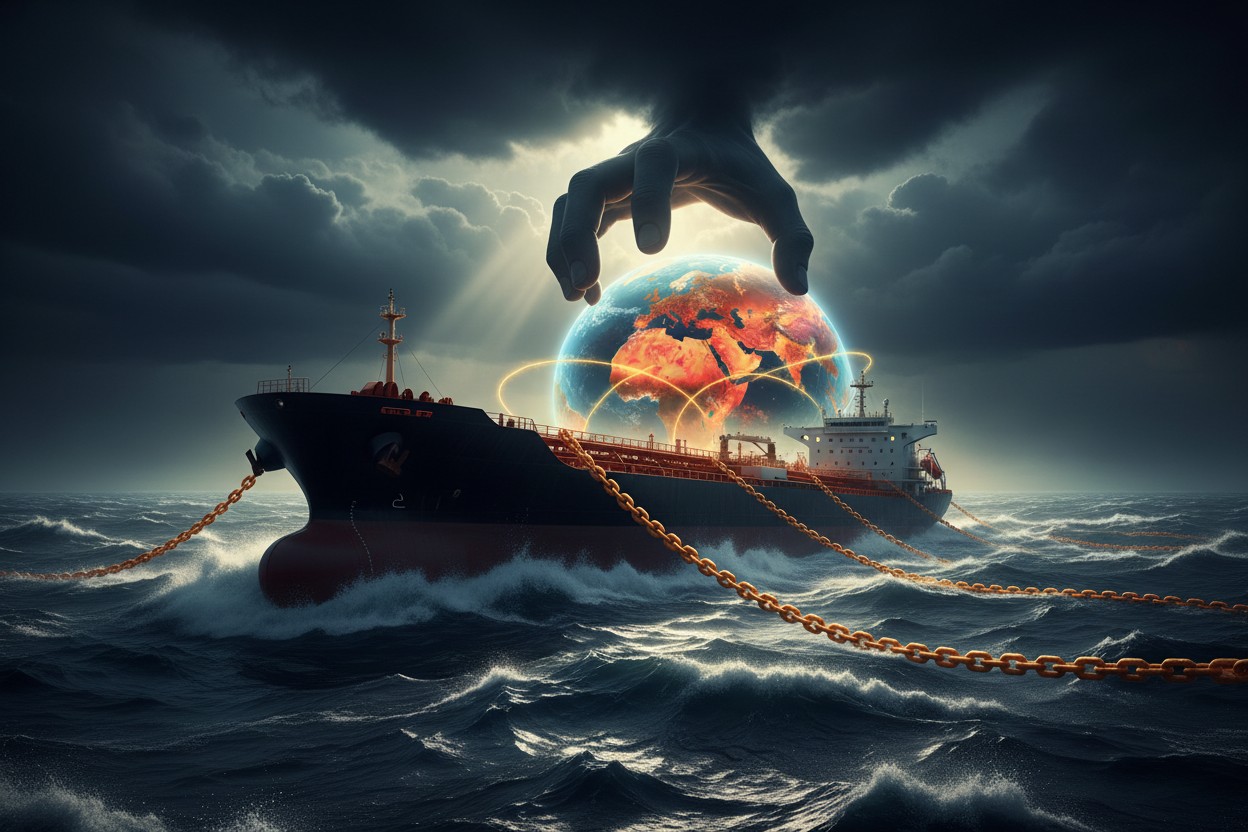
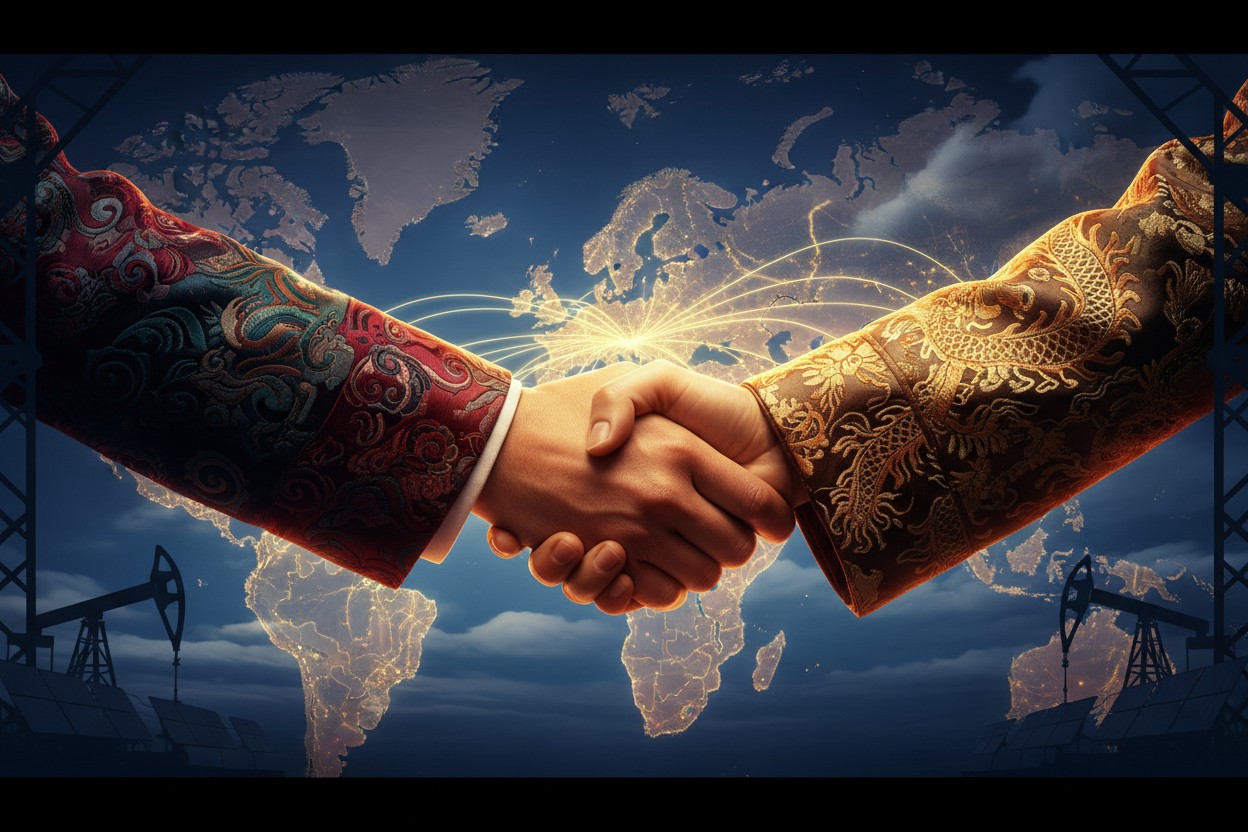
Treasury Secretary Scott Bessent called on China on Aug. 20 to help enforce President Donald Trump’s expanded sanctions against Iran, telling CNBC that Beijing needed to "get with the program."
Bessent said Washington and Beijing were holding private conversations about the enforcement effort. "Keep in mind, the Chinese get 50% of their energy from the Gulf. So, it would do them a big service to get with the program," Bessent told CNBC, according to a report from Antiwar.com [1].
The request followed Trump's earlier announcement on Truth Social of what he called an "economic operation" against Iran. Treasury action against Chinese entities has been escalating for months; on April 24, the department sanctioned a Chinese refinery and 40 shipping firms and vessels for providing financial support to Iran’s oil economy, according to NaturalNews.com [2].
A congressional report cited by NaturalNews.com found that China had imported more than 2.6 million barrels per day of sanctioned crude from Iran, Russia, and Venezuela, building a strategic reserve at below-market prices [3].
Trump Announces Expanded Sanctions Against Iran
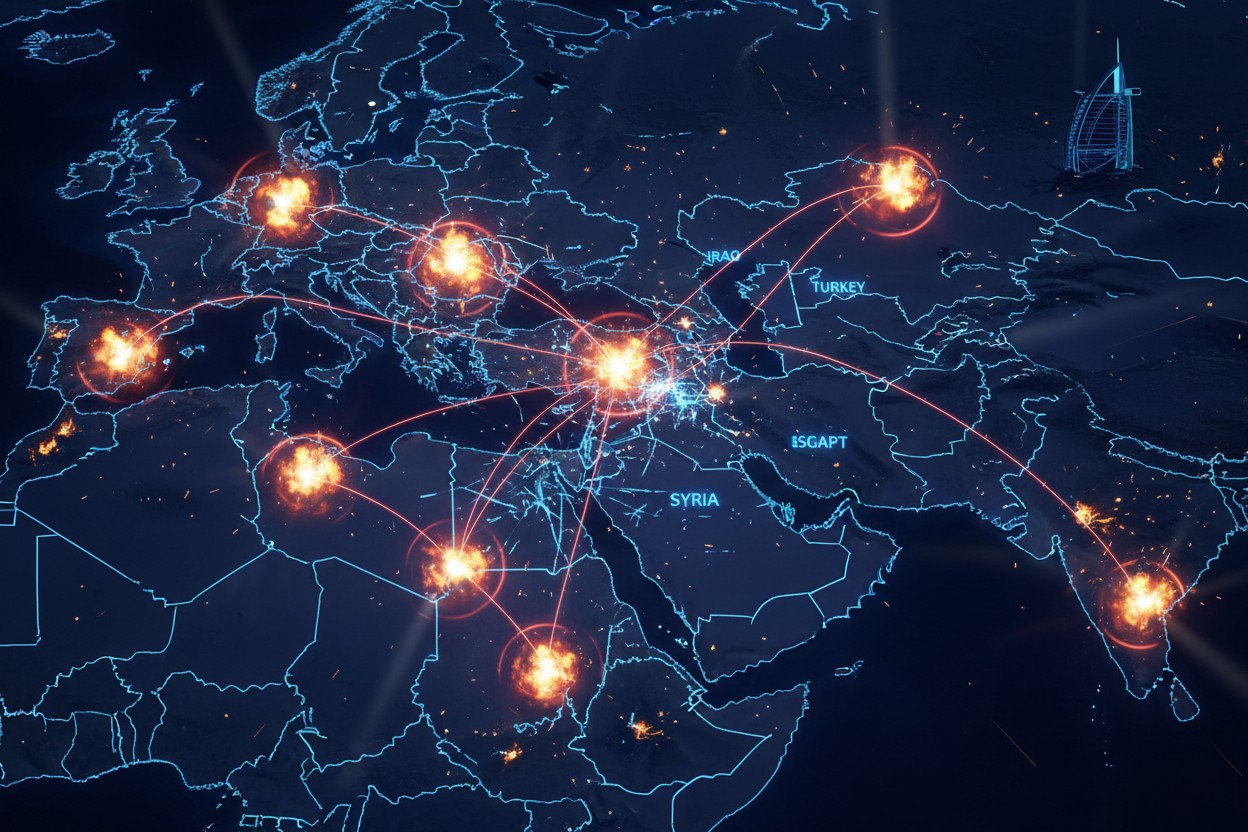
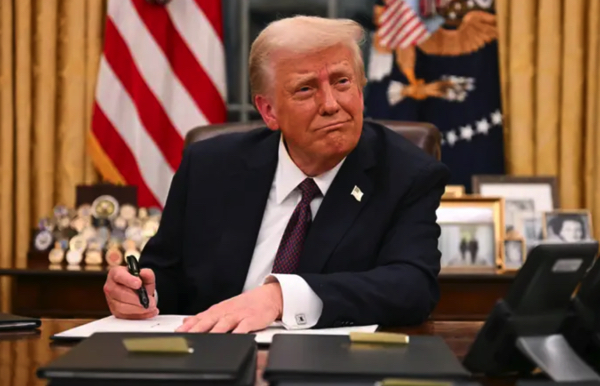
Trump announced the new sanctions in a Truth Social post on Wednesday. "No one has given the Islamic Republic of Iran a greater opportunity to make a Deal than me. TRAGICALLY, for them, they have failed to take it. Therefore, today, I am announcing the MOST CRUSHING ECONOMIC OPERATION EVER TAKEN AGAINST ANY COUNTRY! This will be Economic Warfare and Isolation on an unprecedented scale," the President wrote, according to a report from Antiwar.com [4].
The same report quoted Trump warning that any country allowing its financial institutions, businesses, airports, or government entities to provide "any type of lifeline to Iran" would face "TREMENDOUS Economic Consequences." The post listed oil smuggling, swap lines, cash transfers, exchange houses, ship registries, and front companies as activities that "all need[s] to stop NOW," and described the action as an "ECONOMIC D-DAY" [4].
Bessent also explained that Washington would impose "the toughest sanctions in history" on Iran, according to Middle East Eye [5]. Iran’s Foreign Ministry condemned the threatened measures, saying they would target ordinary Iranians and amount to "economic terrorism" and crimes against humanity, according to The Times of Israel [6].
Besset Claims the Sanctions Are Aimed at Preventing Military Conflict
Bessent said the economic pressure campaign reduced the likelihood of renewed combat. In the CNBC interview, he said, "If we are doing the maximum economic pressure, then that means that likely there will not be a large-scale kinetic restart" [1].
The administration has presented the sanctions as an alternative to further military action, according to the same interview.
Nearly six months after Trump vowed a swift victory over Iran, the conflict appeared to be at a standstill, with prospects for a military victory or negotiated settlement growing dimmer, according to the BBC [7].
Historical observers have questioned official forecasts around military decisions; economist John Kenneth Galbraith, a director of the United States Strategic Bombing Survey, wrote that he saw "the sometimes vacuous nature of much military decision" [8].
Analysts Predict Possible Iranian Escalation
Some analysts dispute the administration’s assessment. Trita Parsi, vice president of Responsible Statecraft, wrote on Substack that Tehran "does not appear overly concerned - for now," according to the Antiwar.com report [1]. "But that could change. If Trump refuses to return to the MOU, or succeeds in turning the balance of economic pain against Iran, Tehran will face a far harsher reality," warned Parsi.
Parsi said Iran would likely answer economic pressure with military escalation. "Between surrender or escalation, Iran will almost certainly choose escalation. Even if Trump has gained the economic upper hand, Tehran still believes it holds a military advantage," he wrote [1].
Iran has long faced sanctions and has shown a willingness to endure economic pain and to adapt to those measures, according to the BBC [7].
Ongoing U.S.-China Negotiations
Bessent said that conversations with Beijing were ongoing. The Antiwar.com report did not include a public response from Chinese officials.
RT reported separately that China had refused to join the U.S. plan to "squash" Iran’s economy [9].
Whether the new measures will significantly reduce Iran’s oil revenue remains unclear. The BBC reported that Iran has long faced sanctions and has shown a capacity to adapt to economic pressure [7].
Washington has previously sought to pressure Beijing on foreign policy matters. Phyllis Bennis wrote in "Challenging Empire" that in 1990, the U.S. government under the senior Bush offered China diplomatic rehabilitation and renewed development aid to prevent Beijing’s threatened veto of the United Nations (UN) resolution authorizing the 1991 Gulf War [10].
Trump's latest sanctions raise the economic stakes in a conflict that has lasted nearly six months, according to the BBC [7].
The administration says the measures are intended to prevent a wider war, while Parsi predicted that Iran could choose escalation. The effect of the sanctions will depend in part on China, a major buyer of Iranian crude [3].
Reference
- Kyle Anzalone. "The US Is Pressuring China to Adopt Economic War Against Iran". Antiwar.com. August 20, 2026.
- Garrison Vance. "U.S. Escalates Economic War on Iran, Sanctions Chinese Refinery and Shadow Fleet". NaturalNews.com. April 28, 2026.
- Willow Tohi. "Energy Chessboard: How Global Conflict Is Reshaping China's Discount Oil Lifeline". NaturalNews.com. April 8, 2026.
- "Trump Says He's Launching the 'Most Crushing Economic Operation Ever' Against Iran". Antiwar.com. August 20, 2026.
- "US vows to 'collapse' Iran with new sanctions as energy prices spike". Middle East Eye. August 20, 2026.
- "Iran calls Trump's floated sanctions 'economic terrorism' as US set to unveil plans". The Times of Israel. August 20, 2026.
- "How much will Trump's 'economic D-Day' sanctions hurt Iran?" BBC.com. August 20, 2026.
- John Kenneth Galbraith. "Name-dropping".
- "China rejects US demand to join 'toughest ever' Iran sanctions". RT.com. August 21, 2026.
- Phyllis Bennis. "Challenging Empire: How People, Governments and the UN Defy US Power".




Please contact us for more information.