


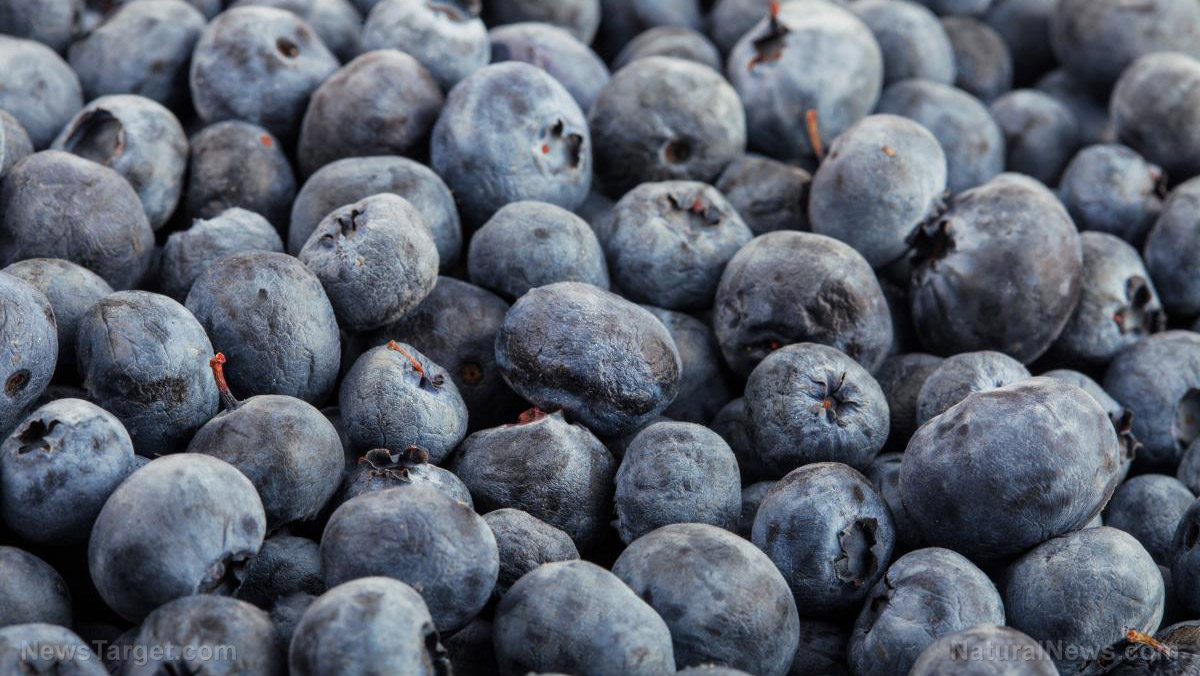
- A daily cup of blueberries may naturally lower blood pressure by improving blood vessel function.
- Anthocyanins, the compounds that give berries their dark color, help the body produce nitric oxide, which relaxes and dilates blood vessels.
- The fiber in blueberries helps lower cholesterol, stabilize blood sugar and produce heart-healthy fatty acids in the gut.
- Clinical trials show systolic blood pressure reductions of about 5 mmHg with daily blueberry consumption, similar to common blood pressure medications.
- Frozen blueberries offer the same benefits as fresh, making this a viable year-round dietary strategy for heart health.
In a year when cardiovascular disease remains the leading cause of mortality for men and women in the United States, new evidence continues to point to a simple, accessible dietary intervention: eating one cup of blueberries per day. Research published in The Journals of Gerontology and clinical trials reported in the Journal of the Academy of Nutrition & Dietetics show that regular consumption of this fruit can lower systolic blood pressure by an average of five millimeters of mercury, a reduction comparable to that achieved by common blood pressure medications. For the estimated one in three U.S. adults with high blood pressure, these findings offer a practical, food-based strategy to support heart health and address a growing public health crisis.
Anthocyanins relax and protect blood vessels
The primary mechanism behind the berry’s cardiovascular benefits lies in its deep blue pigment. Anthocyanins, the antioxidant compounds responsible for the fruit’s color, play a critical role in the body’s production of nitric oxide. This molecule signals the endothelial lining of the circulatory system to relax and dilate, allowing blood to flow more freely and reducing pressure on arterial walls. A scientific review of 66 human intervention trials found that while responses vary, the overall cardioprotective effects of anthocyanins are consistent, with improvements in blood pressure linked to enhanced capillary strength and reduced oxidative stress. These benefits extend beyond blood pressure numbers, as anthocyanins also inhibit platelet formation and prevent the buildup of arterial plaque, addressing multiple pathways involved in heart disease.
Fiber supports cholesterol and blood sugar regulation
Blueberries also provide a significant source of dietary fiber—about four grams per cup—which contributes to heart health through distinct mechanisms. When fiber ferments in the gut, it produces short-chain fatty acids that absorb into the bloodstream and help regulate blood pressure. Additionally, this fiber content helps lower LDL cholesterol, often referred to as “bad cholesterol,” and stabilizes blood sugar levels by slowing digestion. This dual action is particularly relevant in a nation where type 2 diabetes and high cholesterol frequently coexist with hypertension. A study involving high-risk postmenopausal women who consumed one cup of blueberries daily for eight weeks showed reduced arterial stiffness and improved insulin sensitivity, suggesting the fruit’s benefits are broad enough to address multiple metabolic risk factors simultaneously.
Frozen berries offer equal benefits year-round
For consumers concerned about cost or seasonal availability, research confirms that frozen blueberries provide the same nutritional benefits as fresh. The nutrient profile remains intact through freezing, making it possible to maintain a daily habit throughout the year. Clinical trials have used both fresh and frozen forms with consistent results, including improved flow-mediated dilation of the brachial artery—a key marker of reduced cardiovascular disease risk. In one study, this improvement was observed within two hours of consumption and sustained after a full month of daily intake. Women who consumed more than three servings of blueberries and strawberries per week demonstrated a 32 percent lower risk of heart attack, reinforcing the cumulative value of consistent dietary habits.
A simple addition to a heart-healthy lifestyle
The evidence supporting daily blueberry consumption as a strategy for lowering blood pressure is compelling and aligns with broader public health recommendations to prioritize whole foods over supplements. While researchers note that individual responses can vary based on genetics, gut microbiota and baseline health status, the consistent reduction in systolic blood pressure observed across multiple trials positions blueberries as a valuable component of cardiovascular care. For patients seeking to complement—not replace—their prescribed medications, or for healthy adults looking to prevent future disease, one cup of blueberries per day represents a small change with measurable physiological impact. As the medical community continues to explore synergistic interactions among phytochemicals, the humble blueberry stands out as a potent, accessible tool in the fight against heart disease.
Sources for this article include:










Please contact us for more information.