


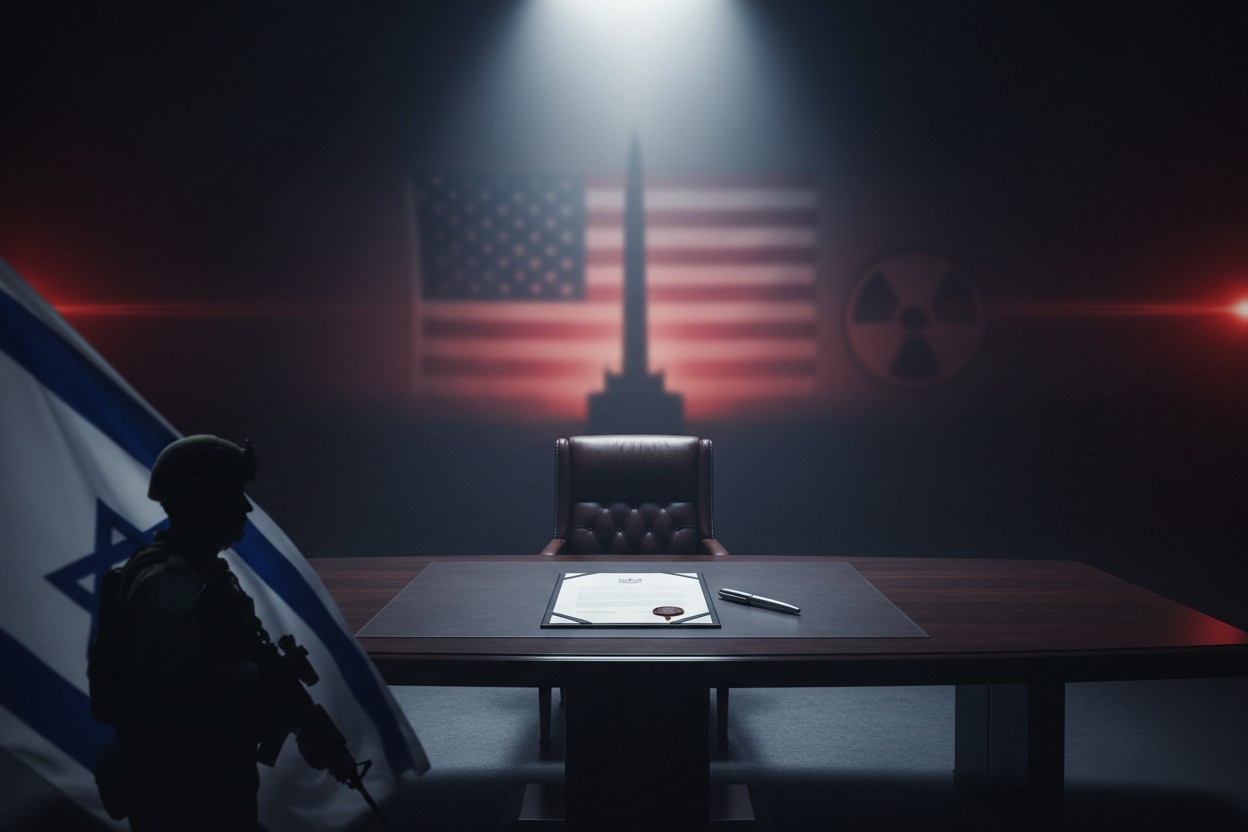
- Mediators including Qatar and Egypt have proposed a 10-day ceasefire between the United States and Iran to revive a collapsed June agreement.
- The proposal would halt hostilities, resume shipping through the Strait of Hormuz and salvage a 14-clause memorandum of understanding.
- Iran has confirmed receiving multiple mediator proposals while vowing continued resistance to U.S. military strikes.
- U.S. strikes have expanded beyond the Strait of Hormuz to target Iranian infrastructure in Tabriz, Urmia and Khuzestan.
- Iran has retaliated by striking civilian infrastructure in Kuwait, including power and desalination plants hosting U.S. forces.
The ceasefire proposal: A race against escalation
Regional mediators have presented the United States and Iran with a 10-day ceasefire proposal aimed at reviving a collapsed interim agreement, according to multiple reports published on July 20. Qatar, Egypt, Pakistan and other mediators transmitted the proposal as both militaries continued nightly strikes that have widened the conflict beyond its original theater in the Strait of Hormuz. The Trump administration is reviewing the proposal while simultaneously preparing for potential negotiation failure, with Israeli forces on high alert for a full-scale campaign.
The ceasefire framework envisions a halt to hostilities, resumption of commercial shipping through the Strait of Hormuz—through which 20 percent of global oil passes—and an opportunity for Washington and Tehran to salvage the memorandum of understanding signed June 18. That agreement collapsed July 8 when the United States resumed strikes against Iran, citing Iranian actions against commercial shipping.
Iran confirms mediation track, rejects false choice between talks and war
Iranian Foreign Ministry spokesman Esmaeil Baghaei confirmed at a Tehran press conference July 20 that Tehran had received multiple proposals from mediators, marking the first official acknowledgment of live mediation since the June memorandum collapsed. The confirmation followed reports that Qatari Foreign Minister Abbas Araghchi had floated a 10-day ceasefire plan.
Baghaei dismissed suggestions that the collapsed memorandum failed due to textual ambiguities, stating the 14-clause document was clear and that clause five explicitly placed responsibility for managing the Strait of Hormuz with Iran, in consultation with Oman. He accused Washington of breaking the agreement without justification.
The spokesman rejected what he called the false binary of negotiation or war, stating both diplomacy and defense serve the single goal of protecting Iran's national interests. Iranian diplomats would not abandon negotiation any more than missile crews would abandon their launchers, he said.
Expanding battlefields: Infrastructure becomes target
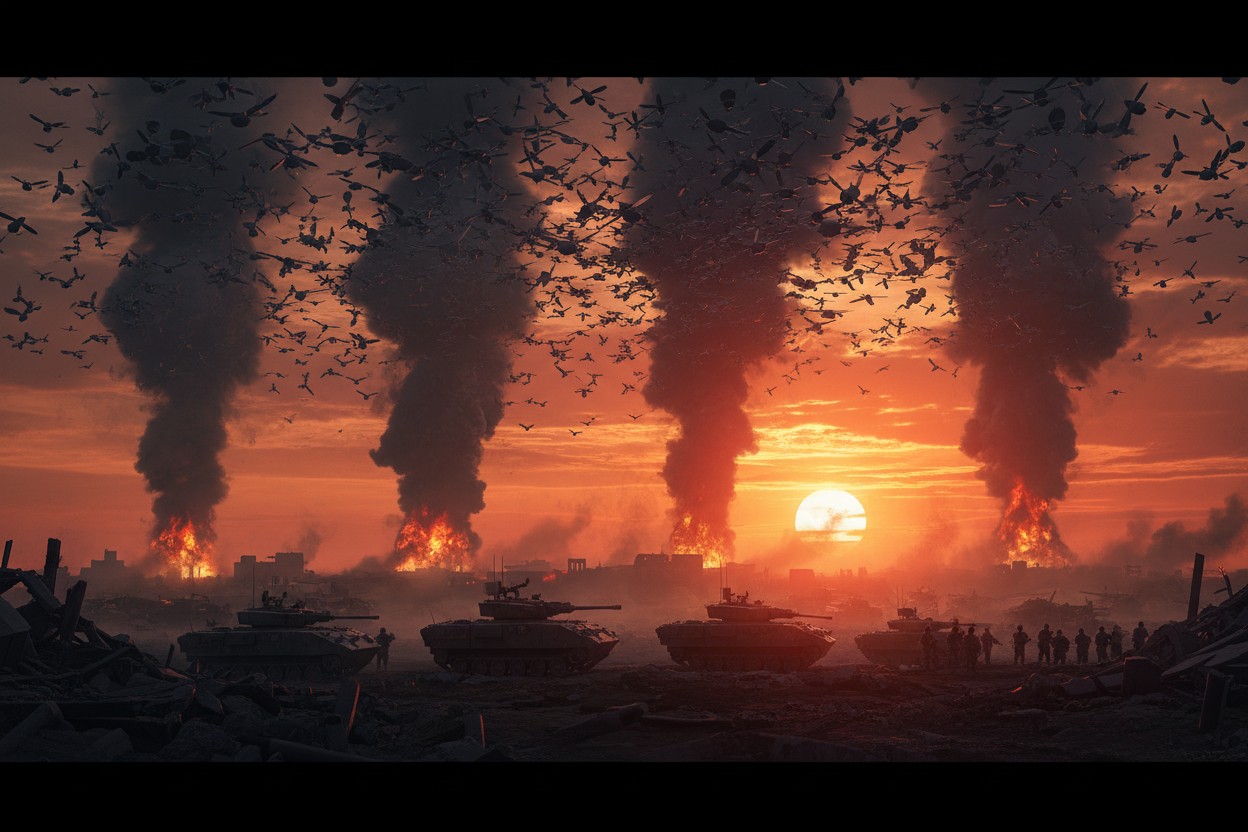
The conflict has entered its ninth consecutive night of American strikes, with target lists now stretching from Tabriz and Urmia in Iran's northwest to petrochemical ports in Khuzestan—far beyond the original Hormuz theater. Iran's second strike in two days on a Kuwaiti power and desalination plant demonstrated Tehran's strategy of answering attacks on its infrastructure by targeting the water and electricity lifelines of Gulf states hosting U.S. forces.
Baghaei condemned strikes on Iranian civilian infrastructure including bridges, airports, power facilities and desalination plants in southern Iran. He described the attacks as assaults on the right to life, security and human dignity. The spokesman rejected U.S. President Donald Trump's claim that images from a strike on a school in Minab were generated by artificial intelligence.
Lessons from previous Middle East conflicts
The current crisis echoes patterns from past U.S. interventions in the Middle East, most notably the 2003 Iraq War, where intelligence assessments contradicting administration claims were set aside to justify military action. The 2007 National Intelligence Estimate concluded Iran had halted its nuclear weapons program in 2003, and subsequent assessments under multiple administrations have reaffirmed that Iran is not actively developing nuclear weapons.
The collapse of the June memorandum mirrors the broader history of U.S.-Iran negotiations, where diplomatic breakthroughs have repeatedly given way to renewed hostilities. The Trump administration's strategy of coercion over diplomacy, including demands of unrealistic concessions from Tehran, has isolated the United States diplomatically while pushing Iran toward more aggressive nuclear and military posturing.
The strategic stakes: Global consequences loom
The humanitarian toll of the conflict continues to mount, with millions of civilians caught in infrastructure warfare that degrades essential services. Iranian Defense Minister Aziz Nasirzadeh has warned that Tehran will target American bases across the Middle East with advanced ballistic missiles, threatening thousands of U.S. casualties.
A prolonged conflict risks triggering a global energy crisis, with Iran capable of blocking the Strait of Hormuz—the chokepoint for 20 percent of global oil shipments. Russia and China may exploit the chaos by providing Iran with advanced weaponry while undermining U.S. influence in the region.
Diplomacy's last window
The 10-day ceasefire proposal represents what may be the final opportunity to prevent a broader regional war with no clear exit strategy. Both Washington and Tehran have acknowledged the mediation track while simultaneously preparing for continued escalation. The pattern of degrading civilian infrastructure historically precedes either a ceasefire or general war. Whether cooler heads prevail or the conflict expands into an unwinnable regional war that destabilizes global energy markets and draws in major powers remains the defining question of the coming days.
Sources for this article include:







Please contact us for more information.