


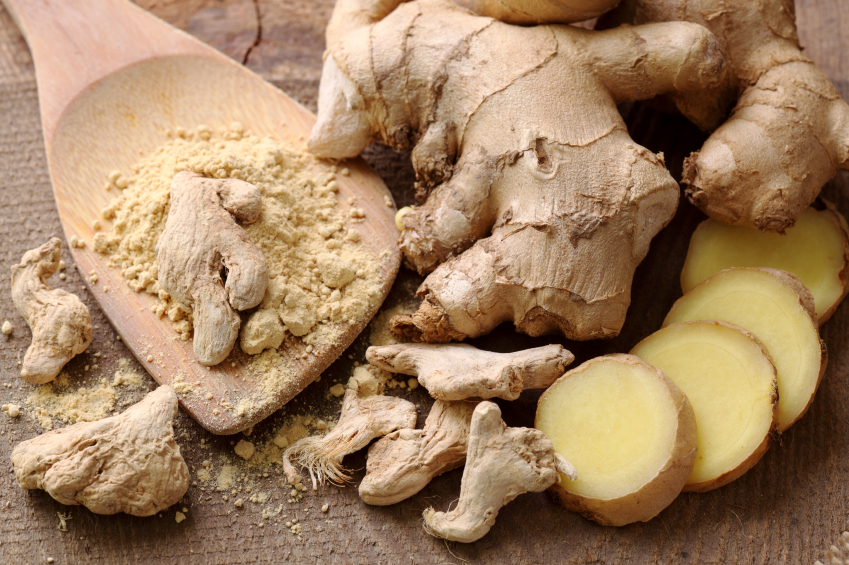
- A July 2025 systematic review of five meta-analyses found that 1-3 grams of ginger daily significantly reduced inflammation markers, blood sugar, and oxidative stress in controlled clinical trials.
- Ginger lowered C-reactive protein and tumor necrosis factor-alpha in 16 randomized trials with 1,010 participants, targeting the same inflammatory markers that cardiologists track for heart disease risk.
- Type 2 diabetes patients saw HbA1c drop by 1 full percentage point and fasting blood glucose fall by more than 21 mg/dL across 10 randomized controlled trials.
- Ginger reduced malondialdehyde, a key marker of oxidative cell damage, while increasing glutathione peroxidase, the body's primary antioxidant enzyme, in 12 trials with 542 participants.
- The research confirms that fresh, powdered, or supplemental ginger at modest daily doses produces consistent therapeutic effects across multiple independent research groups and patient populations.
Why a spice deserves medical attention
Most people think of ginger as something to add to stir-fry or steep when the stomach feels upset. But a systematic review published in July 2025 suggests that this assessment barely scratches the surface. Researchers at Burrell College of Osteopathic Medicine and Mercer University School of Medicine synthesized findings from five independent meta-analyses of randomized controlled trials involving thousands of participants. The topics covered included inflammation, blood sugar, oxidative stress, and pregnancy nausea. Across all four areas, ginger produced consistently positive results using modest daily doses of 1 to 3 grams. The review, published in Frontiers in Pharmacology, made a serious case for viewing ginger as more than just a flavor enhancer—and raised questions about why more physicians are not discussing it with patients.
What cardiologists should know about inflammation markers
A meta-analysis of 16 randomized controlled trials with 1,010 participants found that ginger significantly reduced two key inflammatory markers: C-reactive protein and tumor necrosis factor-alpha. These are not laboratory curiosities. Cardiologists track CRP and TNF-alpha to measure inflammation that puts the cardiovascular system at risk. Ginger moved both markers in the right direction with 1 to 3 grams daily for 4 to 12 weeks.
For context, these are the same markers that many pharmaceutical anti-inflammatory drugs target. Yet those drugs come at far greater cost and with well-documented side effects, including renal insufficiency in 40% of users for some medications. The reduction in TNF-alpha is particularly notable. Elevated levels of this compound connect directly to heart disease, metabolic syndrome, and chronic pain conditions. Previous research has also shown that ginger's anti-inflammatory properties benefit arthritis, neurodegenerative diseases, and general inflammatory processes.
Blood sugar improvements that match pharmaceutical expectations
A meta-analysis of 10 randomized controlled trials in 490 people with type 2 diabetes found that ginger supplementation significantly reduced both HbA1c and fasting blood glucose. HbA1c fell by an average of 1 full percentage point. Fasting blood glucose dropped by more than 21 mg/dL on average.
Researchers found that active compounds in ginger stimulate glucose uptake in muscle and fat cells. These compounds also inhibit enzymes involved in carbohydrate digestion and support insulin sensitivity through multiple pathways. For people managing blood sugar challenges, ginger appears to work through several mechanisms at once, not just one. Earlier research has confirmed that ginger can lower blood sugar levels, improve cholesterol profiles, and reduce diabetes complications such as proteinuria.
Oxidative stress: The cellular damage connection
A meta-analysis of 12 randomized controlled trials involving 542 participants found that ginger significantly reduced malondialdehyde, a key marker of oxidative stress-induced cell damage. Glutathione peroxidase, one of the body's primary antioxidant enzymes, also increased significantly with ginger use.
Oxidative stress accelerates cellular aging and underlies most chronic diseases, including cancer and heart disease. The fact that a safe, inexpensive food can shift these markers meaningfully is significant. Ginger has been shown to counteract the toxic effects of pesticides, cancer drugs, and other environmental toxins by modulating oxidative stress. Its active compounds, gingerol and shogaol, reduce oxidative stress and inflammation, which are key factors in cancer development.
How to use ginger based on what the evidence shows
Fresh and powdered ginger, as well as standardized supplements, all offer benefits, but the research supports daily consistency. The therapeutic amounts in these meta-analyses were 1 to 3 grams per day. One teaspoon of fresh-grated ginger provides roughly 2 to 4 grams, making daily culinary use a realistic option. Standardized ginger root capsules at 250 to 500 mg of extract are widely available.
Build ginger into foods that already pair well with a warming, slightly spicy flavor. Fresh ginger grates easily into morning smoothies, soups, dressings, and stir-fries. Ginger tea made from fresh, sliced root steeped for 10 minutes delivers the same bioactive compounds found in supplements. Research suggests that consuming ginger alongside fat-containing foods improves absorption of gingerols and shogaols. Combining ginger with turmeric and black pepper creates compounding anti-inflammatory effects.
Why this research matters now
The studies in this review used real people in controlled conditions, not animal models. The amounts were modest and safe. The effects held across multiple independent research groups working with different patient populations. That consistency is exactly what gives these findings real value.
Most people reaching for an anti-inflammatory medication are addressing a condition that has a nutritional dimension their doctor never explored. Ginger has been used for centuries to treat everything from upset stomachs to inflammation. The science now backs that tradition with clinical data. The question is whether the medical establishment will integrate this evidence into standard practice—or leave patients to discover it on their own.
Sources for this article include:











Please contact us for more information.