


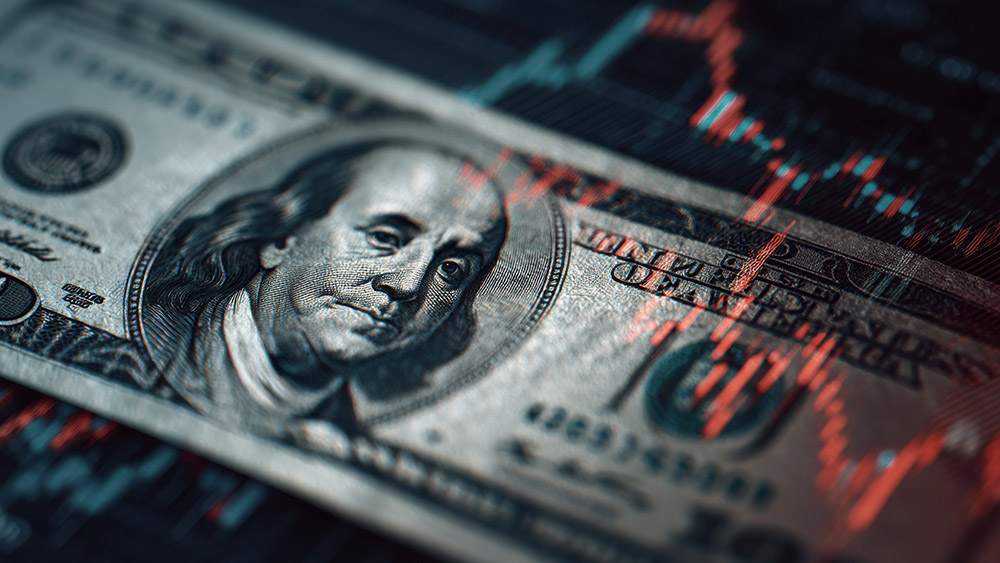
A new breed of war profiteer has emerged, and they are not trading in weapons or oil. They are trading in secrets. Online prediction markets have become a shadow intelligence channel where traders with access to classified information are betting billions on the outcomes of U.S. military operations, earning millions in profits with suspiciously precise timing and accuracy. The phenomenon, documented by a CBS News investigation this year, reveals a systemic failure in national security and a new frontier of insider trading that threatens to compromise military operations and put lives at risk. Bettors are also threatening journalists and manipulating news stories on foreign affairs.
Key points:
- Nine connected Polymarket accounts made $2.4 million in profits betting on U.S. military operations with a 98 percent win rate.
- Military bets succeed 52 percent of the time compared to 7 percent for sports bets, indicating systemic insider trading.
- A U.S. Army soldier who helped plan the Venezuela mission allegedly made $400,000 betting on its timing.
- A trader wagered $800 million on oil prices dropping 15 minutes before Trump announced productive Iran talks, earning $80 million.
- Journalists covering military events have received death threats from bettors seeking to manipulate their reporting.
The 98 percent anomaly
The numbers defy statistical probability. Nicolas Vaiman, whose Paris-based data analytics firm Bubblemaps traced the patterns, identified nine linked accounts that collectively achieved a 98 percent win rate on military bets. The accounts placed dozens of winning wagers on specific dates of pivotal moments in the war with Iran, including the first U.S. strikes, the removal of Iran's supreme leader, and the announcement of a ceasefire on April 8.
"Luck alone cannot explain those numbers," Vaiman told 60 Minutes. His firm's head of investigations, who goes by the handle Deebs and requested anonymity over fears of retaliation, called the pattern "the most insane pattern we have found on Polymarket so far."
Michelle Kendler-Kretsch of the Anti-Corruption Data Collective examined long-shot wagers on Polymarket, bets with less than 35 percent odds. Despite being underdogs, these military bets "won more than they lost," a telltale sign of what she called "systemic insider-trading." The disparity is stark: military bets succeed 52 percent of the time, while sports bets succeed only 7 percent.
From soldier to suspect
The most direct case of classified information being used for personal profit involves U.S. Army soldier Gannon Ken Van Dyke. According to federal prosecutors, Van Dyke helped plan and execute the Jan. 3 operation to capture Venezuelan President Nicolas Maduro. He then allegedly used that classified knowledge to place a series of wagers totaling roughly $34,000, including a half dozen bets the day before the raid. He netted more than $400,000.
Rob Schwartz, a former attorney for the Commodity Futures Trading Commission, described the case as unprecedented. "Classified intelligence that he knew about because he helped plan and to execute the mission. There is nothing to compare that to," Schwartz said. Van Dyke has pleaded not guilty, but the case opened the door to a much broader investigation.
Deebs, the former U.S. military officer now investigating these trades, said Van Dyke may be just the beginning. "There's so many people involved in the planning and the execution of a military operation. You have obviously the government officials. But you also have the military planners. You have the military intelligence analysts. And even spouses, they hear things."
A source in the Defense Department familiar with the Van Dyke case told 60 Minutes, "Listen, there are dozens more of these. Van Dyke was just a small fish."
The $80 million oil trade
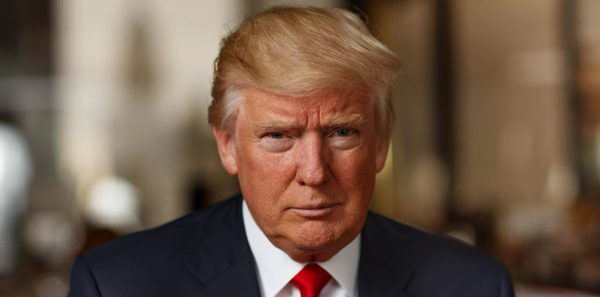
The insider trading extends beyond prediction markets into traditional commodity exchanges. On March 23, at 6:50 a.m., a trader wagered more than $800 million predicting that the price of oil would fall. Fifteen minutes later, President Trump posted on Truth Social that the White House and Iran had "very good and productive conversations" about ending the war. The price of oil crashed more than 10 percent, allowing the trader to collect approximately $80 million in profits.
David Kovel, a former commodities trader now representing fraud victims, analyzed the trade data provided by the financial firm LSEG. "If you see the chart, you'll see that no one is trading during that time period. Why would you trade at that time? That doesn't make a lot of sense unless you have a real reason," Kovel said. He called the timing suspicious enough to warrant investigation.
Federal investigators are now probing these oil market trades. The White House issued a memo to staffers in March warning that it is a "criminal offense for anyone to use non-public information" on prediction markets. But enforcement actions by the CFTC have dropped by more than two-thirds since 2024, and staffing has declined sharply.
Threats to journalists
The betting on war has moved beyond financial markets into direct attempts to manipulate news coverage. Emanuel Fabian, a military correspondent for the Times of Israel, published an account in March about an Iranian missile strike in an empty forest near Jerusalem. Soon after, he received messages demanding he change his story.
One message warned Fabian he was causing bettors to "lose $900,000" and threatened, "We'll invest even more than that to finish you." The sender included specific details about Fabian's siblings and how often he visits his family. The threats originated from Polymarket accounts that had wagered $22 million on whether an Iranian missile would enter Israel on March 10. Fabian's story voided the side of the bets predicting no missile.
Fabian reported the threats to police and Polymarket, which banned the accounts involved. But he worries about the broader implications. "We know when there's a lot of money involved, in this case, $22 million, I think that can cause people to lie," he said.
National security implications
The insider trading on military operations represents more than a financial crime. It creates a back-channel through which adversaries can monitor American war plans. Deebs put it plainly: "This could be putting people's lives at risk. Other adversaries may be using this information in order to plan their own strategy."
Source after source told 60 Minutes they fear today's insider trading scandal is tomorrow's national security scandal. If market watchers can spot irregular trades, enemies can too, and they will adjust their war plans accordingly.
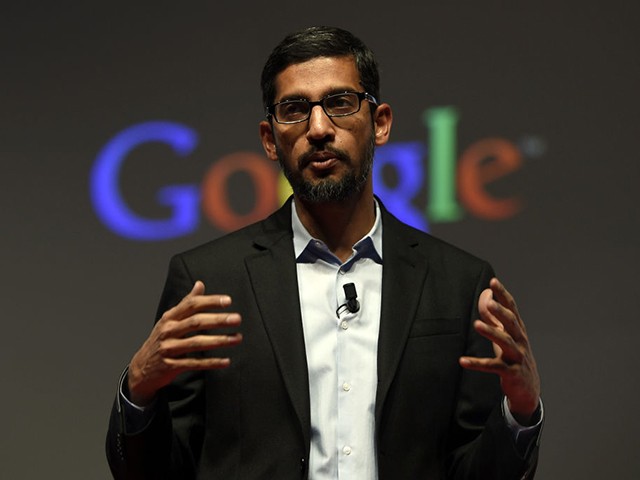
Since the initial story aired in May, federal prosecutors have brought another case against a Google software engineer who allegedly used confidential company information to make bets on Polymarket. He took home more than $1 million in profit. His lawyers say he plans to plead not guilty.
Nicolas Vaiman of Bubblemaps sees this as just the opening phase. "I think it's just gonna multiply from here."
Sources include:







Please contact us for more information.