


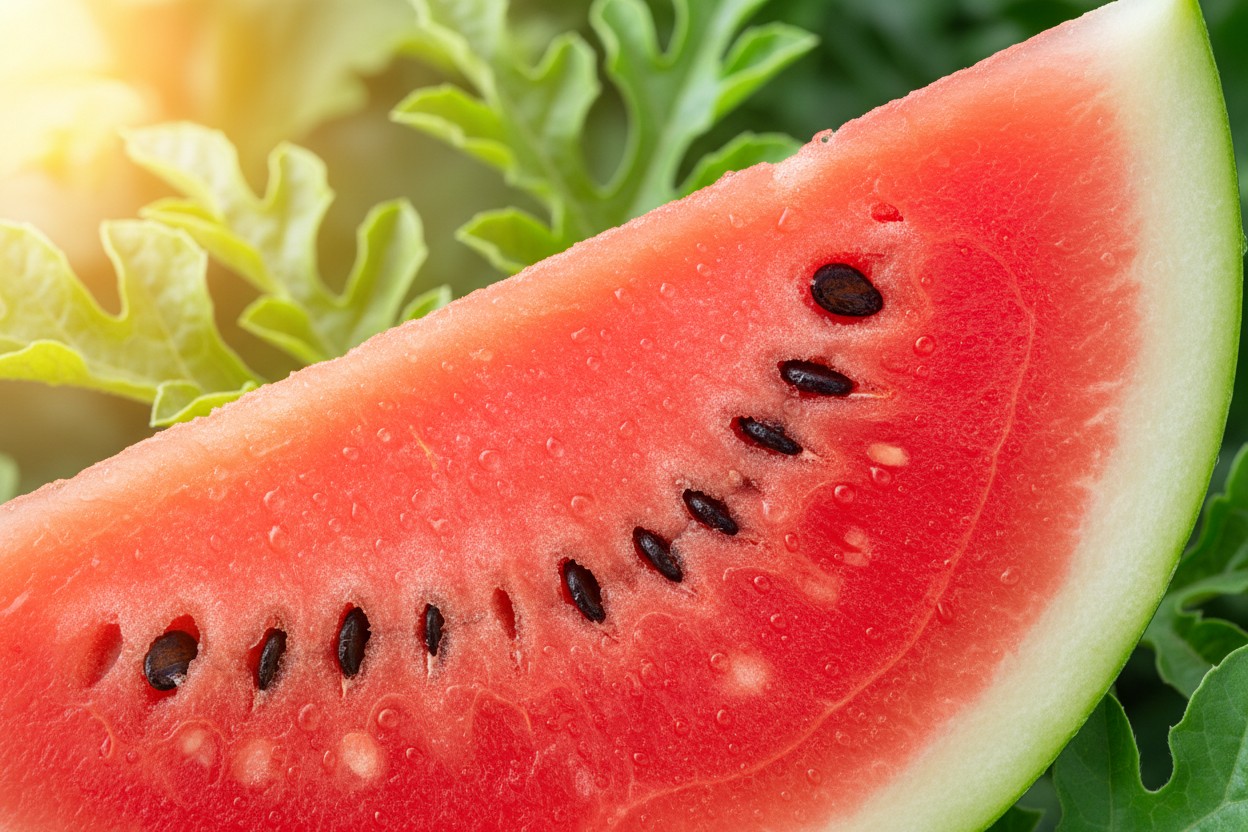
- Watermelon's L-citrulline converts to L-arginine, boosting nitric oxide to relax blood vessels, reduce pressure and improve arterial function.
- Potassium helps flush excess sodium; lycopene and other antioxidants protect against oxidative stress linked to hypertension.
- Studies show daily watermelon extract reduces systolic/diastolic blood pressure and improves arterial health in prehypertensive and obese adults.
- Watermelon's high water content supports circulation while its fiber content increases fullness for up to 90 minutes, aiding weight loss and cholesterol improvement.
- Watermelon juice lacks fiber and may spike blood sugar. Consult a doctor if on potassium-restricted diets or medications. The juice should complement—not replace—standard hypertension management.
For years, watermelon has been synonymous with backyard barbecues and summer picnics. But a growing body of clinical research is positioning this hydrating fruit as something more: a potential tool in the fight against high blood pressure and cardiovascular disease. Researchers studying watermelon's unique amino acid profile and antioxidant content have found evidence that regular consumption of watermelon juice may help reduce blood pressure, improve arterial health and support overall heart function.
The power of L-citrulline
The question of how a simple fruit juice could influence blood pressure centers on its chemical composition. Watermelon contains L-citrulline, an amino acid that the human body converts into L-arginine. This conversion is critical because arginine helps produce nitric oxide, a compound that relaxes and widens blood vessels. When blood vessels expand, blood flows more freely, and pressure against arterial walls decreases. This biological mechanism has drawn the attention of researchers exploring non-pharmacological approaches to hypertension management.
Several clinical trials have examined the effects of watermelon extract and juice on blood pressure, with results that suggest meaningful benefits for certain populations. In multiple studies, watermelon extracts rich in L-citrulline were associated with reductions in both systolic and diastolic blood pressure readings. One study published in the American Journal of Hypertension found that middle-aged adults with obesity and prehypertension or stage 1 hypertension experienced reduced ankle blood pressure and improved arterial function after six weeks of daily treatment with a watermelon extract containing 6 grams (g) of L-citrulline and L-arginine.
Potassium and antioxidants
Beyond L-citrulline, watermelon juice provides potassium, a mineral that helps the body eliminate excess sodium. This function is particularly relevant for blood pressure management because sodium retention is a major contributor to hypertension. Potassium assists in flushing salts and toxins from the body by acting as a natural diuretic, maintaining the balance of acids and electrolytes that stabilize blood pressure and flow.
Watermelon juice also delivers lycopene and other carotenoids, including lutein and beta-carotene. These compounds function as powerful antioxidants, protecting cells from oxidative stress that can contribute to chronic conditions such as heart disease and certain cancers. Some research suggests that people with higher blood levels of lycopene may be less likely to develop high blood pressure, particularly those with overweight or obesity.
To safely incorporate watermelon juice into a healthy diet, BrightU.AI's Enoch engine suggests enjoying it as a hydrating post-workout drink or a refreshing snack, but limiting intake to one cup per day and not adding sugar to prevent blood sugar spikes. Pairing watermelon juice with hydrating vegetables like cucumber or celery in a blended juice further enhances nutritional benefits while diluting natural sugars.
Other health benefits
Watermelon juice may offer additional benefits that extend beyond blood pressure regulation. Because watermelon consists of more than 95% water, it supports hydration, which is essential for circulation, temperature regulation and digestive health. Proper hydration ensures blood volume remains stable, reducing strain on the cardiovascular system.
Watermelon's high water content also promotes satiety. A 2019 study found that participants felt fuller for up to 90 minutes after eating watermelon compared with isocaloric low-fat cookies. When individuals replaced sweet snacks with watermelon, researchers observed associated weight loss, improvements in cholesterol levels, waist-to-hip ratio and blood pressure. These findings suggest that incorporating watermelon into a balanced diet could support weight management, which is itself a key factor in blood pressure control.
Drinking watermelon juice is not without considerations. Unlike whole watermelon, the fruit's juice contains little fiber, making it easier to consume larger quantities in a shorter period. This means individuals may take in more natural sugars and calories than they would by eating the fruit directly. For people monitoring their blood sugar levels, drinking watermelon juice alone may cause glucose levels to rise more quickly than eating whole fruit would.
Individuals with kidney disease or those who need to limit potassium or fluid intake should consult a healthcare provider before adding watermelon juice to their regular diet. The same caution applies to anyone taking medications that affect potassium levels or kidney function.
Watermelon juice can be part of a heart-healthy lifestyle, but it should not replace other established strategies for managing blood pressure. Medical guidelines continue to emphasize the importance of eating more fruits and vegetables, limiting sodium intake, staying physically active, maintaining a healthy weight, managing stress, getting adequate sleep, and limiting alcohol consumption. For those prescribed blood pressure medications, adherence to that regimen remains essential.
Watch this video to learn about the health benefits of watermelon seeds.
This video is from the Natural Cures channel on Brighteon.com.
Sources include:












Please contact us for more information.