


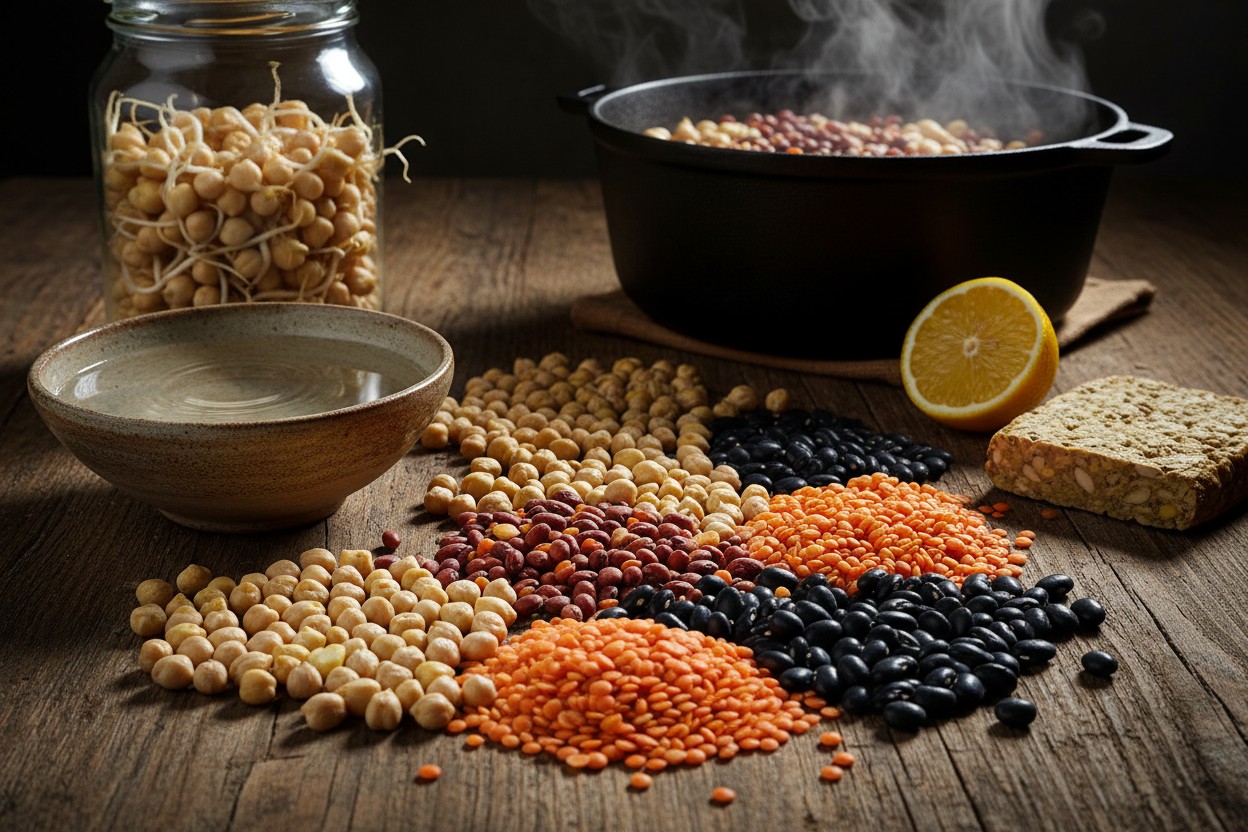
- Legumes are a top accessible source of magnesium, crucial for blood pressure, blood sugar, migraine reduction and DNA synthesis.
- One cup of cooked black beans provides ~120 mg magnesium (30% of daily needs), comparable to adzuki beans and cannellini beans.
- Other magnesium-rich legumes include edamame, peanuts, lima beans, green peas, cannellini and adzuki beans, each offering additional nutrients like protein, fiber and potassium.
- Cooking methods matter: Boiling/steaming preserves magnesium better than high-heat dry cooking; rinsing canned beans reduces sodium without losing magnesium.
- Legumes offer a practical, affordable solution to magnesium deficiency, with diverse uses from chilis and salads to dips and rice pairings.
In an era where dietary deficiencies quietly undermine public health, a humble food category is gaining renewed attention from nutrition experts for its ability to deliver a critical mineral. Legumes have emerged as one of the most accessible and nutrient-dense sources of magnesium, a mineral that helps regulate blood pressure, control blood sugar levels, lower migraine risk and facilitate the creation of DNA and RNA. For adults seeking to meet their daily magnesium requirements of 320 to 420 milligrams (mg) through diet alone, the case for incorporating legume-rich meals into regular rotation has never been stronger, particularly as research continues to highlight the gap between typical consumption and recommended intake.
The magnesium imperative
Magnesium plays a foundational role in human physiology, supporting more than 300 enzymatic reactions in the body. Beyond its well-documented benefits for blood pressure regulation and blood sugar control, emerging evidence connects adequate magnesium levels to reduced migraine frequency and improved sleep quality. Most adults can meet their daily requirements through a balanced diet, yet dietary surveys suggest that significant portions of the population consume less than the recommended amounts.
Legumes offer a practical solution. A single cup of cooked black beans contains approximately 120 mg of magnesium — roughly 30% of the recommended daily intake. This places black beans among the most concentrated legume sources of the mineral, alongside adzuki beans, which deliver a comparable 120 mg per cup, and cannellini beans, which provide 113 mg per cup. For comparison, a cup of cooked long-grain white rice contains only 14 mg of magnesium, illustrating the significant advantage of pairing grains with magnesium-rich legumes.
A spectrum of options
The seven legumes highlighted by nutrition researchers represent a diverse range of flavors, textures and culinary applications:
- Black beans - offers not only magnesium but also potassium, iron, protein and fiber
- Edamame - provide 99 mg of magnesium per half-cup serving, along with 4.1 grams (g) of fiber and 9.2 g of protein, making them a robust snack or salad addition
- Peanuts - contain 260 mg of magnesium per cup; a quarter-cup of roasted peanuts delivers approximately 15% of the daily magnesium requirement, while two tablespoons of peanut butter provide 49 mg
- Lima beans - also called butter beans, contribute 81 mg of magnesium per cup and offer calcium and protein
- Green peas (including garden, snap and snow varieties) - provide 62 mg of magnesium per cup, along with iron, potassium, antioxidants and anti-inflammatory compounds
- Cannellini beans - pack 113 mg of magnesium, 17 g of protein and 11 g of fiber per cup
- Adzuki beans - match black beans at 120 mg of magnesium per cup while also supplying 17 g of protein, 17 g of fiber and 64 mg of calcium
For consumers seeking to increase their magnesium intake through diet, the versatility of legumes presents numerous entry points. Stews and chilis allow for combining multiple bean varieties in a single dish, maximizing nutrient density while creating convenient, make-ahead meals. Multi-bean salads dressed with vinaigrette offer cold options for quick lunches, while bean dips — particularly those made from cannellini or adzuki beans — provide alternatives to less nutrient-dense spreads.
Boiled edamame serves as a standalone snack, while peas can be incorporated into rice dishes, pasta preparations and stir-fries. The traditional pairing of rice and black beans, common in Caribbean and Latin American cuisines, boosts the magnesium content of a meal beyond what either ingredient provides alone. Another hearty, high-magnesium meal you can try, according to BrightU.AI's Enoch engine, is cashew loaf with steamed beet greens and a leafy green salad featuring shredded beets, turnips and parsley.
Practical considerations
Cooking methods influence magnesium retention. Boiling and steaming preserve mineral content better than high-heat dry cooking methods. Canned beans, while convenient, may contain added sodium; rinsing them before use can reduce sodium content without significantly affecting magnesium levels. Dried beans require soaking and longer cooking times but offer cost savings and control over sodium content.
For individuals with digestive sensitivities, gradual introduction of legumes and proper preparation — including soaking dried beans and discarding soaking water before cooking — can reduce gas-producing compounds while preserving nutritional value.
As magnesium deficiency continues to pose a public health concern, legumes represent a practical, affordable and culturally adaptable solution. The additional benefits of protein, fiber, potassium, iron and calcium make legumes a multifaceted nutritional tool rather than a single-nutrient intervention.
Watch this video for 12 signs your body needs more magnesium.
This video is from the All About Herbs channel on Brighteon.com.
Sources include:









Please contact us for more information.