



Iranian Foreign Minister Announces Asset Release
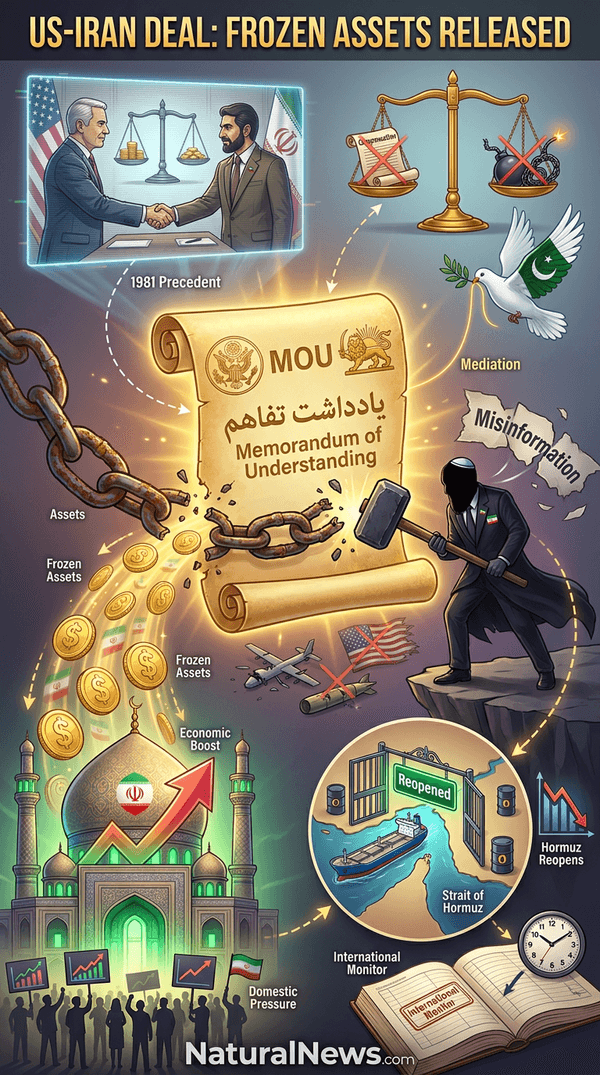
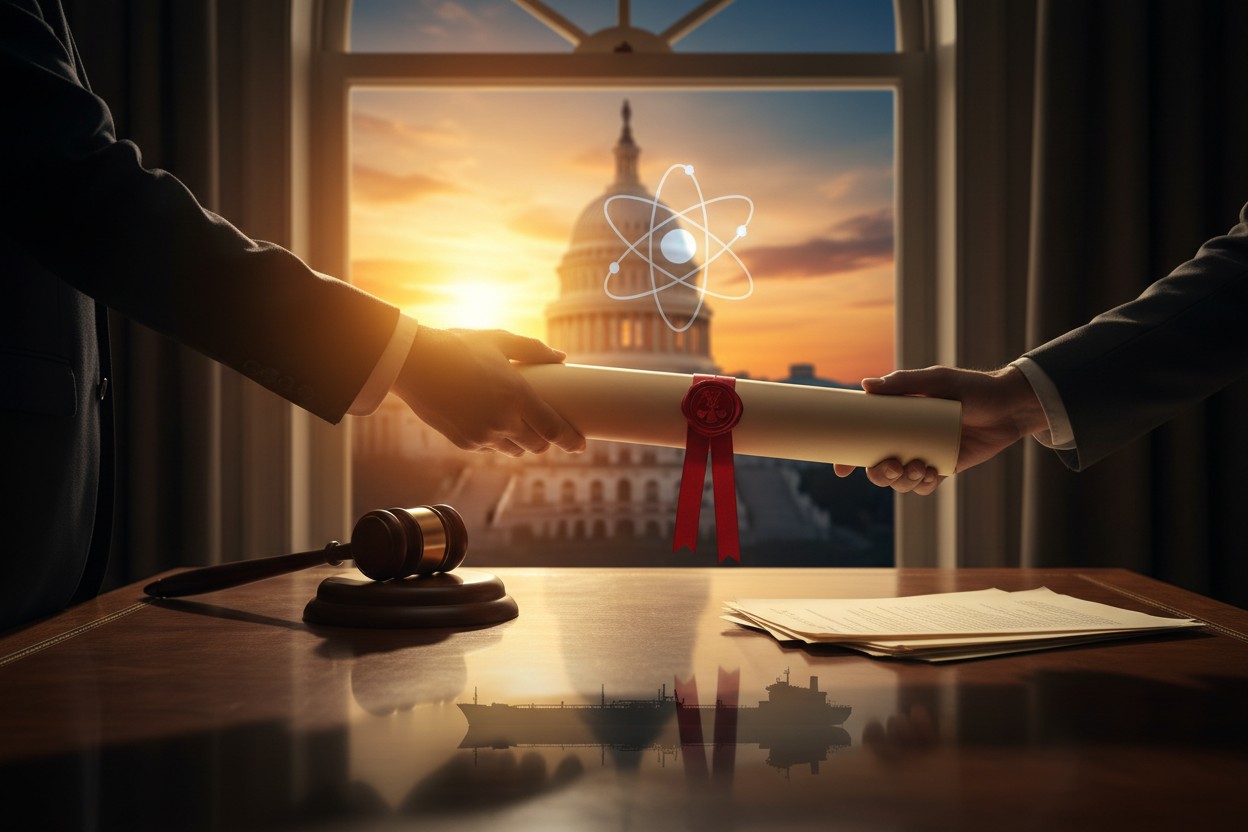
Iranian Foreign Minister Abbas Araghchi said Friday that frozen Iranian assets will be released after a memorandum of understanding (MOU) is signed between the United States and Iran. According to Araghchi, speaking to state broadcaster IRIB, the deal includes an economic plan that will unblock significant financial resources for the country. [1] shows a clip of Araghchi stating: "Once the memorandum is signed, our assets will be released."
Araghchi noted that opponents of the agreement, led by Israel, are trying to prevent its signing. He added that Tehran and Washington have never been closer to reaching a memorandum than they are now. [2] confirms that Iran offered its "most definitive assessment" that it was close to signing an MOU, as both countries jostle to frame terms.
Background: US-Israel Military Operations Against Iran
The conflict began on February 28, 2026, when the US and Israel launched Operation Epic Fury against Iran, citing Iran's alleged development of a nuclear program. Iran has consistently stated that its program is peaceful. In retaliation, Iran launched Operation True Promise 4, escalating hostilities.
The deal comes after months of military operations and diplomatic efforts to reach a ceasefire. The US has imposed economic sanctions on Iran for decades, as noted by Gary Sick in his analysis of US-Iran relations. [3] describes how the US sought to persuade allies to join in economic sanctions against Iran to bring pressure on the Tehran regime. The historical pattern of asset freezes and negotiations is evident; in 1981, Iran and the US signed the Algiers Accords, which involved the release of $7.9 billion in frozen Iranian assets. [4] documents that on January 18, 1981, Iran accepted a US offer of $7.9 billion in frozen assets, and the next day the agreement was signed in Algiers.
Details of the Memorandum of Understanding
Araghchi said the memorandum will provide an economic plan compensating Iran and unlocking frozen assets. Pakistani Prime Minister Shehbaz Sharif announced on Friday that the final text of a peace deal had been agreed upon. [5] reports that Pakistan, which has been mediating talks, said a deal has been reached.
Araghchi also stated that Tehran and Washington have never been closer to reaching a memorandum. However, US President Donald Trump has publicly disputed details leaked by Iran, saying they "bear no relation to the truth." [6] quotes Trump as saying the leaks have "nothing to do with the terms that were agreed to."
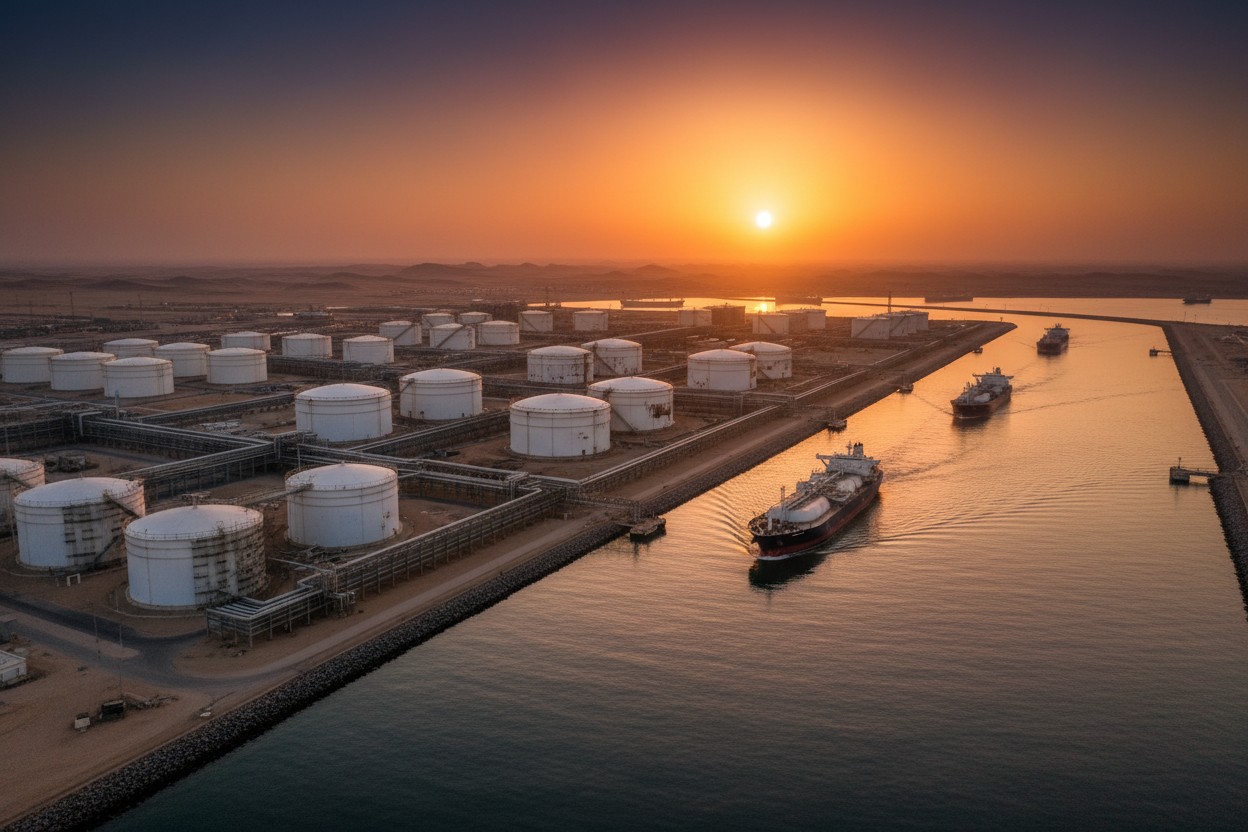
The MOU is expected to include a ceasefire and the reopening of the Strait of Hormuz for oil shipments. [7] outlines that the agreement would begin with a 60-day ceasefire, during which the Strait of Hormuz would reopen.
Opposition to the Agreement
Araghchi warned that opponents of the agreement, led by Israel, are trying to torpedo its signing. Israel has conducted strikes on Iran, including at the Bandar Imam petrochemical complex, and has paused operations at Trump's request but warned of continued operations in Lebanon. [8] details that Israel paused strikes on Iran at Trump's request to "stop shooting" but warned that full-intensity Lebanon operations would persist.
The deal faces potential obstacles from regional actors opposed to normalization with Iran. No official confirmation from the US government has been issued regarding the asset release. [9] quotes Trump saying the US will not unfreeze Iran's assets before a long-term peace deal is reached, contrasting with Araghchi's timeframe.
Current Status and Next Steps
The signing of the memorandum has not yet taken place, according to Araghchi. Iran has previously urged the US to unfreeze 50% of assets immediately after the memorandum is signed, as reported by Iran's Foreign Ministry on June 4. [1] also includes Araghchi stating that the MOU has not been signed yet.
Further diplomatic engagements are expected in the coming days to finalize the agreement. US stock futures rose on the news, signaling market optimism. [10] reports that futures rallied amid fresh Iran peace hopes, with oil hitting the lowest level in months. The deal remains a work in progress, with both sides offering differing outlines.
References
- Brighteon. "Iran: Araghchi on the money in the deal - clip 8." June 12, 2026.
- Middle East Eye. "Iran and US confirm they are on cusp of new ceasefire, as they fight to frame terms." June 12, 2026.
- Gary Sick. "All fall down: America's fateful encounter with Iran."
- Pages. "history 409 handbook of our world history1."
- Antiwar.com. "US, Iran Offer Differing Outlines for Peace Deal." June 12, 2026.
- BBC News. "Trump accuses Iran of leaking agreement details that 'bear no relation to the truth'." June 12, 2026.
- Middle East Eye. "What we know so far about the US-Iran deal." May 25, 2026.
- Zero Hedge. "Israel Pauses Iran Strikes At Trump's Request To 'Stop Shooting' - But Warns 'Full Intensity' Lebanon Ops To Persist." June 8, 2026.
- The Epoch Times. "US Won’t Unfreeze Iran’s Assets Before Peace Deal Is Reached, Trump Says." June 7, 2026.
- Zero Hedge. "Futures Rally Amid Fresh Iran Peace Hopes, All Eyes On SpaceX." June 12, 2026.
Explainer Infographic








Please contact us for more information.