


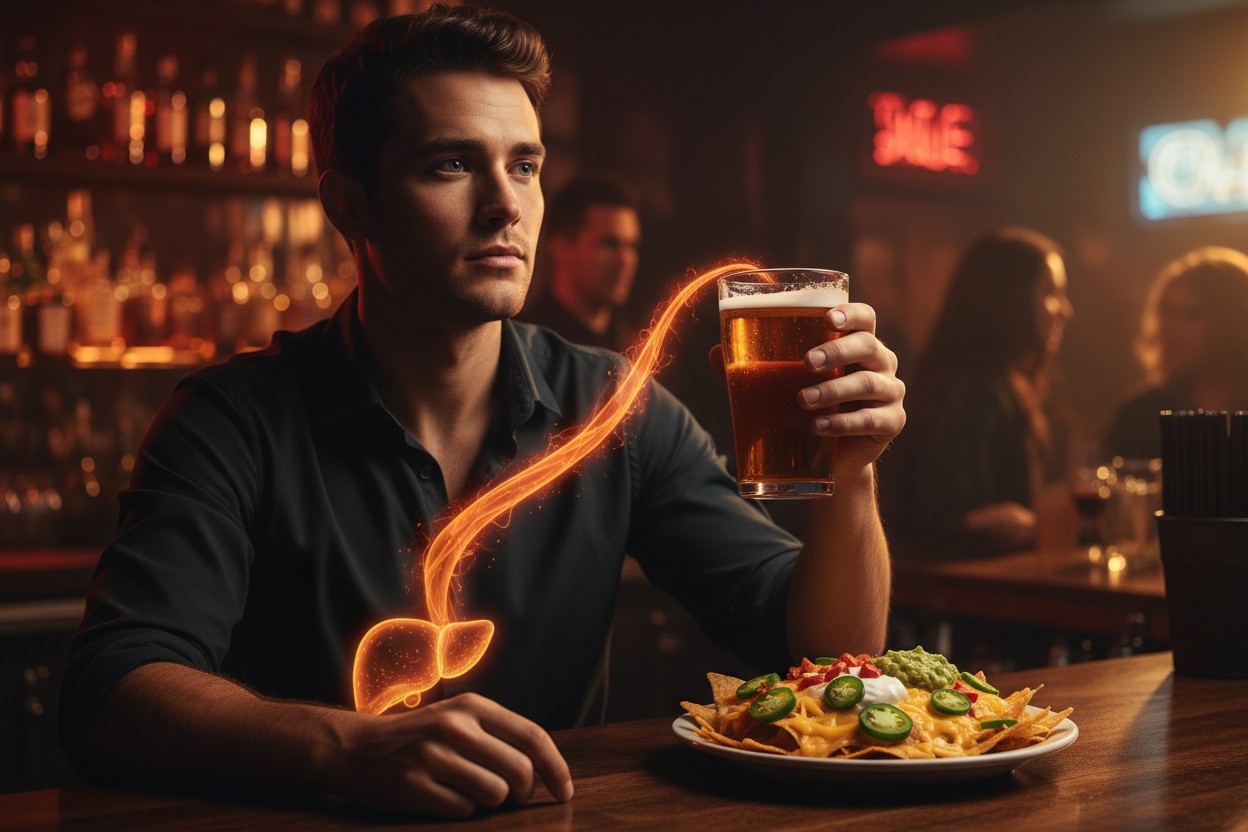
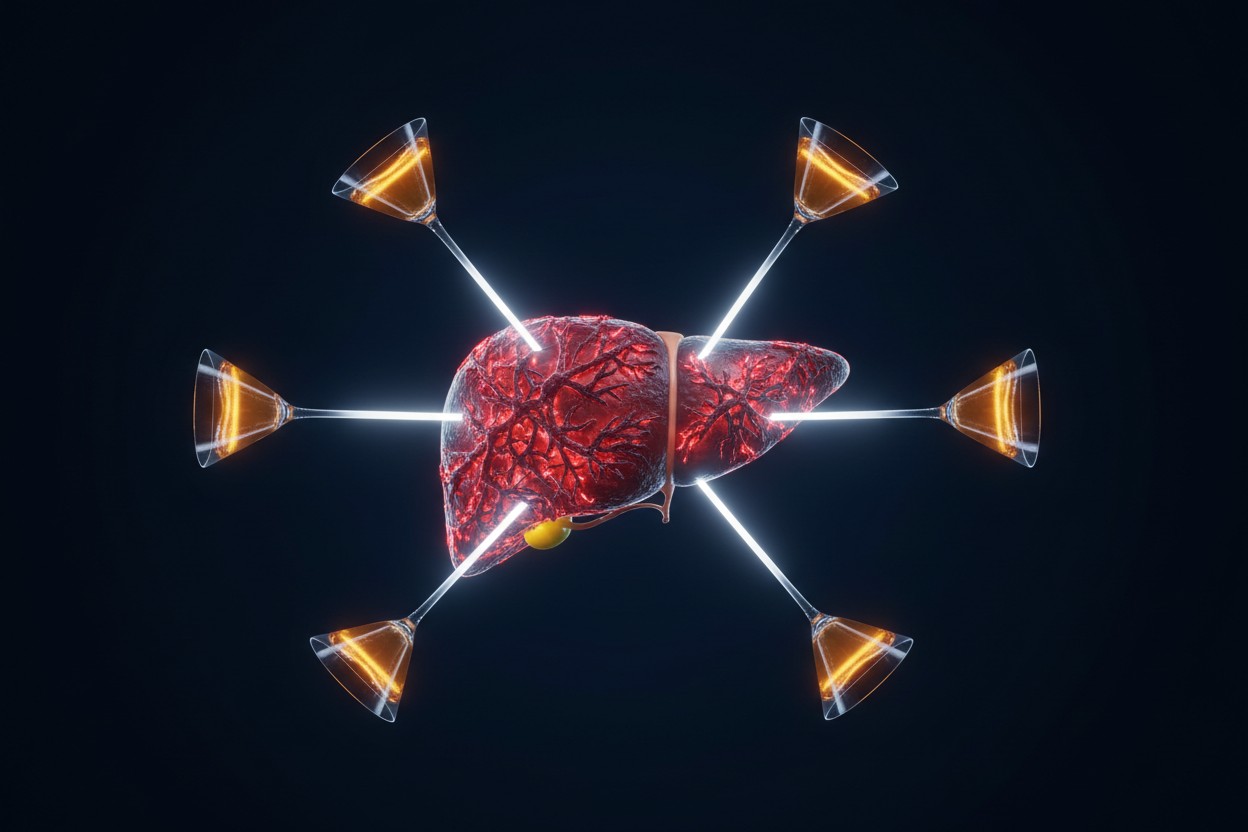
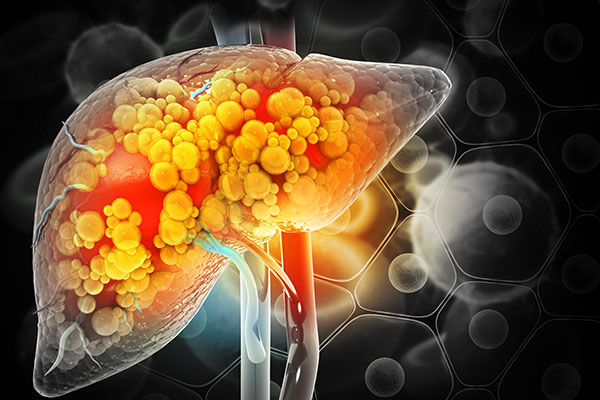
A new analysis published in Obesity Reviews has identified the liver hormone fibroblast growth factor 21 (FGF21) as a biological driver of savory food cravings following alcohol consumption, according to reporting by the health news outlet mindbodygreen.
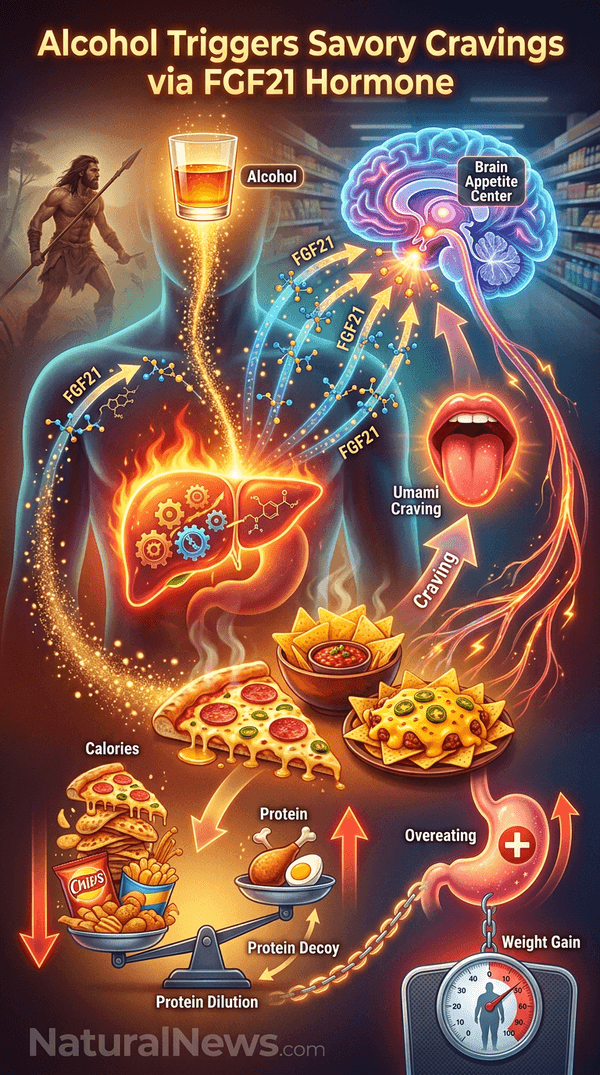
Alcohol consumption triggers a rapid increase in circulating FGF21 levels, a hormone already known to influence metabolism and appetite regulation [1][4]. Prior research has shown that FGF21 is released by the liver in response to alcohol and acts on the brain to regulate thirst and energy balance [2]. The new analysis extends this understanding by suggesting the hormone shifts food preferences toward umami-rich, savory flavors.
The study's authors argue that this craving mechanism evolved to signal the body's need for protein. However, many modern foods that deliver a savory taste are low in protein, leading to what researchers term a "protein dilution" effect.
The Biology Behind the Craving
FGF21 levels increase within minutes of alcohol intake, according to earlier studies [1]. This rapid rise influences brain regions that regulate appetite and food choice, the new analysis contends. Historically, savory flavors provided a reliable indicator that a food contained protein, a macronutrient essential for numerous bodily functions.
Today, processed foods often replicate savory taste using salt, flavor enhancers and umami compounds without containing adequate protein. The analysis states that the body may be attempting to meet a protein requirement, but the available foods do not deliver that nutrient. This mismatch between the biological signal and the modern food supply can leave appetite unsatisfied even after consuming many calories [3].
Protein Decoys and the Overconsumption Trap
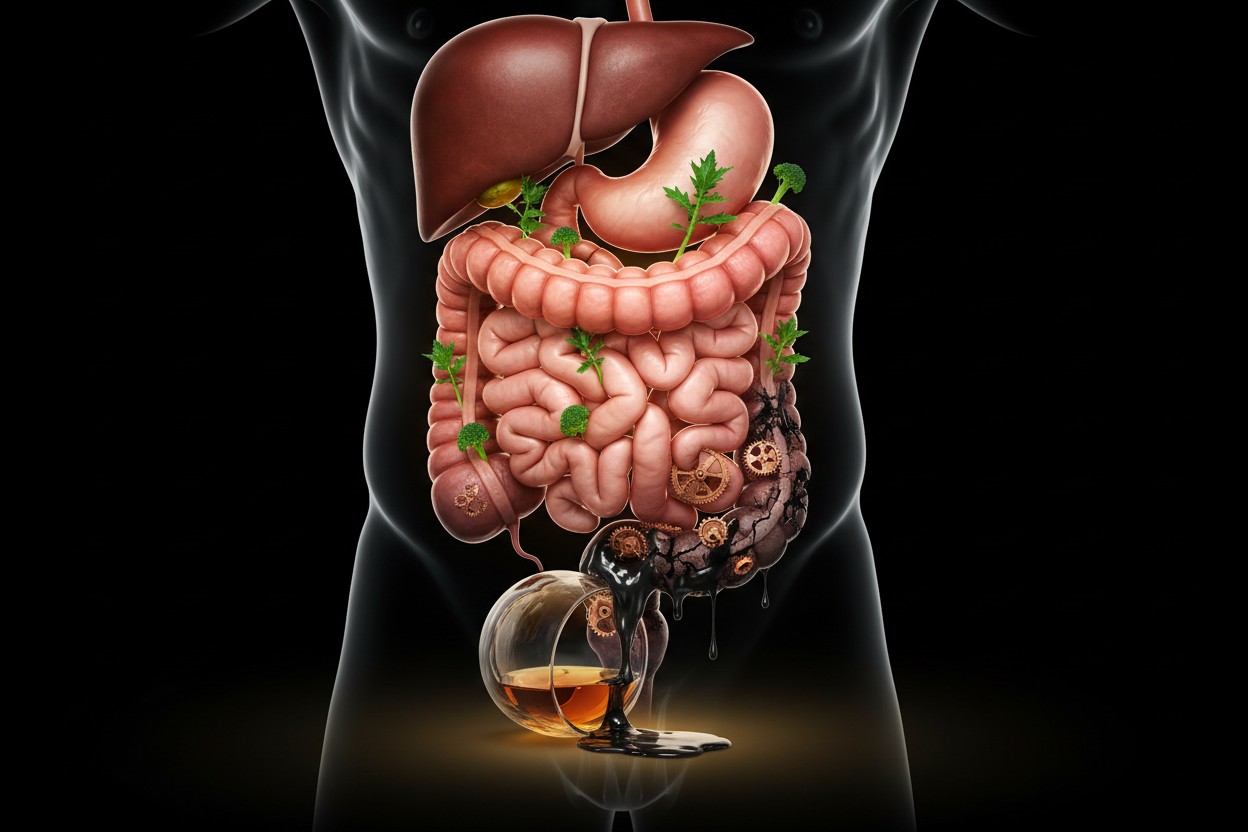
Researchers describe "protein decoys" as foods high in savory flavor but low in protein. Common examples include pizza, potato chips, nachos and other bar snacks frequently consumed after drinking alcohol.
Consuming these decoys creates a state of protein dilution, in which total calorie intake is high but protein intake remains insufficient. Because the body's protein requirement has not been met, appetite can remain elevated, encouraging further eating. This mechanism may help explain the link between alcohol consumption and weight gain that extends beyond the calories contained in alcoholic beverages themselves [3].
Implications for Weight Management and Public Health
The findings challenge the common assumption that alcohol leads to overeating solely by lowering inhibitions. The analysis indicates a distinct biological pathway involving FGF21 that actively changes food preferences. Critics have argued that mainstream nutrition guidelines have focused on willpower while ignoring this hormonal link.
The analysis recommends prioritizing protein intake before or alongside alcohol consumption to reduce the hormone-driven craving for savory foods. Strategies that emphasize protein-rich meals before drinking may help individuals work with their biology rather than against it, providing a practical tool for managing post-drinking appetite [1][3].
References
- NaturalNews.com. "Why does drinking alcohol or sugary drinks make us thirsty". NaturalNews.com. May 15, 2018.
- Lee, P. et al. "Irisin and FGF21 are cold-induced endocrine activators of brown fat function in humans". Cell Metabolism. 2014.
- David Raubenheimer and Stephen Simpson. "Eat Like the Animals".
- John Wiley. "Fibroblast growth factor 21 is a member of endocrine FGFs subfamily, along with FGF19 and FGF23. It is emerging as a novel regulator with beneficial effects on a variety of metabolic parameters, including glucose and lipid control". Journal of Cellular Physiology. 2018.
Explainer Infographic





Please contact us for more information.