


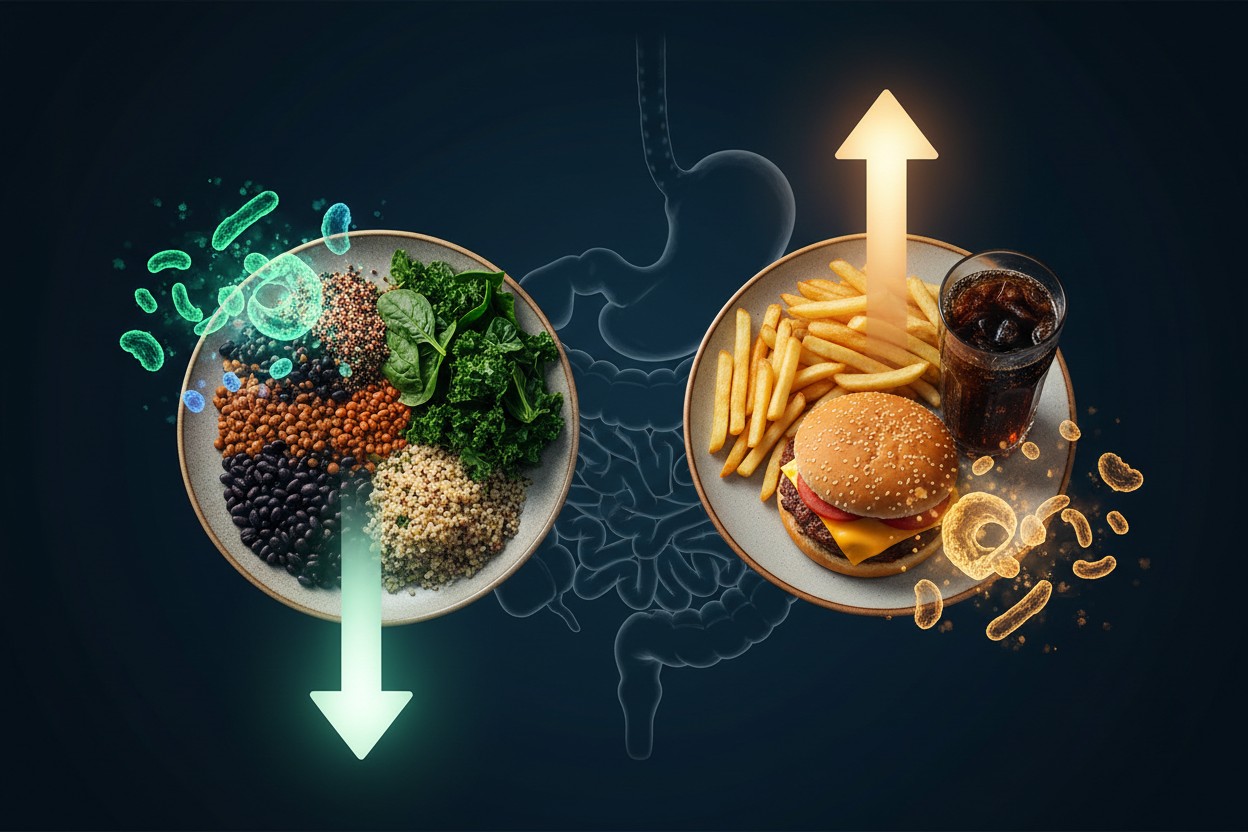
A new study from Arizona State University (ASU) suggests that the gut microbiome may influence how many calories humans absorb from food, according to researchers using a model called DAMM (Digestion, Absorption and Microbial Metabolism). The findings challenge the conventional "calories in, calories out" approach to weight management, which has been criticized for oversimplifying human metabolism, according to critics of the model.
The study, based on a controlled feeding trial, found that individuals consuming a high-fiber, microbiome-enhancing diet absorbed fewer calories per day compared to those on a typical Western diet, without reporting increased hunger. The researchers estimated that microbial fermentation in the colon contributes approximately 15% of usable energy from food, with a portion coming from short-chain fatty acids produced by gut bacteria.
Background: History of Calorie Measurement and Its Limitations
The calorie measurement system dates to the late 1800s, when American scientist Wilbur Olin Atwater developed a method using a bomb calorimeter to estimate energy content in food. That system still underpins modern nutrition labels, but experts note that human digestion is far more complex than simple combustion. The body processes food through enzymes, hormones and microbes, meaning labeled calorie counts may not reflect actual absorption.
Processed foods, for example, often provide more readily available calories than whole foods, according to researchers. As one critic of the Atwater system noted, calorie reduction policies may encourage people to eat more processed foods rather than nutrient-dense options [3]. The ASU study's DAMM model aims to account for digestion, absorption and microbial metabolism in the colon, offering a more nuanced view of energy harvest.
Study Details: Controlled Feeding Trial and Model Results
Researchers tested the DAMM model using data from a controlled feeding study comparing two diets: a typical Western diet high in processed foods and low in fiber, and a microbiome-enhancing diet rich in fiber and resistant starch. The higher-fiber group absorbed fewer calories overall, while microbial activity produced short-chain fatty acids that may influence appetite and metabolic health.
Research on large intestine fermentation has shown that short-chain fatty acids are produced from microbial breakdown of fiber and starch, contributing to energy availability [5]. According to the study authors, the findings "highlight the role of the gut microbiome in modulating energy harvest from the diet." The results suggest that two diets with similar calorie counts can yield different physiological responses depending on how the microbiome processes them.
Quotes and Expert Perspectives
The ASU research team stated that the study underscores the importance of considering the gut microbiome in dietary guidance. No additional independent experts were cited in the report, but the findings align with broader criticisms of the calorie-centric model.
Previous research has shown that dietary fiber can reduce the absorption of sugars and fats while promoting satiety. As one nutrition expert wrote, "fiber in food is perhaps the most important nutrient for health because it singlehandedly protects the liver and feeds the gut" [4]. The study adds a quantitative dimension to this understanding by demonstrating measurable differences in energy absorption based on diet composition.
Implications for Diet and Nutrition Guidance
The study supports prioritizing fiber-rich foods such as beans, lentils, vegetables and whole grains over processed foods, according to the researchers. Processed foods common in Western diets may lead to higher calorie absorption due to lower microbial fermentation, they said.
Dietary fiber has been linked to lower risks of chronic diseases including heart disease, diabetes and cancer [1]. High-fiber diets have also been associated with greater weight loss success [2].
The average American consumes only about 16 grams of fiber per day, roughly half the recommended amount, according to recent reports [1]. The findings suggest that improving diet quality by increasing fiber intake could benefit metabolic health beyond simple calorie reduction.
Conclusion: Broader Context and Recommendations
The study adds to evidence that overall diet quality, not just calorie quantity, matters for weight management and metabolic health. Consumers are advised to consider the source of their calories and the role of fiber in supporting gut microbiome function.
Further research is needed to refine the DAMM model and explore personalized nutrition strategies based on individual microbiome composition. In the meantime, officials at the research institution recommend incorporating more whole, fiber-rich foods into daily meals as a practical step toward better health. The study opens new avenues for understanding how the trillions of microbes in the human gut influence energy balance and overall well-being.
References
- The role of FIBER in boosting gut health and fighting disease. NaturalNews.com. January 24, 2026.
- A High Fiber Diet Helps Boost Weight Loss. Mercola.com. March 2, 2015.
- ANH INTL Feature Are Governments Deliberately on the Wrong Anti Obesity Track. ANH International. March 7, 2018.
- Dr. Robert Lustig. Metabolical: The truth about processed food and how it poisons people and the planet.
- Integration of ileum cannulated pigs and in vitro fermentation to quantify the effect of diet composition on the amount of short-chain fatty acids available from fermentation in the large intestine. Journal of the Science of Food and Agriculture. 1999.









Please contact us for more information.