


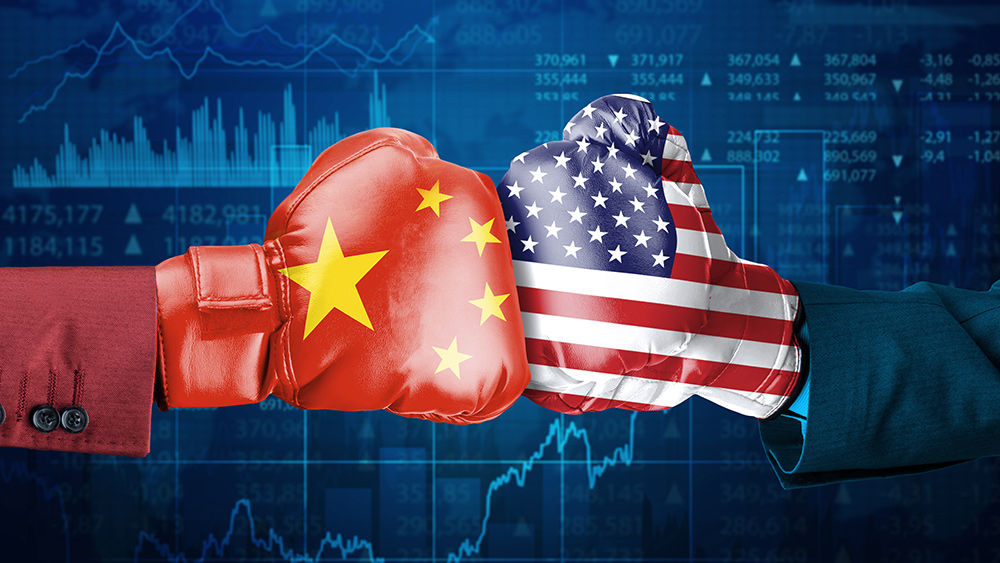
- Russia and China are constructing a parallel energy system that bypasses the dollar and Western control.
- The Power of Siberia 2 pipeline could displace a third of China’s LNG imports and undermine U.S. suppliers.
- China received sanctioned LNG from Russia’s Arctic LNG 2 project, testing Western sanctions without U.S. retaliation.
- The pipeline provides Moscow a lifeline after losing European markets and secures Beijing’s long-term energy growth.
- Overland Russian pipelines offer price and security advantages as global maritime disruptions and fuel costs rise.
The global energy chessboard is undergoing a seismic shift, with Russia and China constructing a parallel power supply system that deliberately sidesteps the dollar and Western control. At the heart of this realignment is the proposed Power of Siberia 2 pipeline, a project that threatens to redraw international energy trade and squeeze American exporters out of the world's fastest-growing market.
A system built on defiance
Energy economist Dr. Kazi Sohag, speaking to Sputnik, outlined the grand strategy. According to Sohag, Russia and China work in tandem to create a system that provides energy to willing buyers with minimal reliance on Western-controlled payment systems, shipping and insurance. While the U.S. attempts to disrupt global oil and gas flows, Russia steps forward as a reliable supplier of "hydrocarbons, nuclear technology, and energy-security diplomacy." China plays the complementary role, emerging as "the dominant source of clean-energy technology, energy infrastructure, and industrial decarbonization equipment." Together, they are building an alternative global architecture deliberately linked to de-dollarization.
The pipeline that changes everything
The Power of Siberia 2 pipeline is designed to deliver 50 billion cubic meters of natural gas annually from Russia's Yamal fields through Mongolia into northern China. Analysts cited by the South China Morning Post project it could displace roughly one-third of China's current LNG imports, directly undermining the competitiveness of more expensive U.S. LNG. For Beijing, it secures long-term energy growth for its industrial base and broader economy without relying on American supplies. For Moscow, it is a lifeline after losing the European market, a direct consequence of the Kremlin's political decisions following the 2022 invasion of Ukraine.
Testing the limits of sanctions
The partnership has moved into the realm of direct confrontation. China recently accepted its first shipment from Russia's Arctic LNG 2 project, a facility under active U.S. sanctions. The vessel, the LNG carrier Arctic Mulan, is itself a sanctioned asset. In late August 2025, the cargo was unloaded at China's Beihai terminal. According to analysis by the Centre for Eastern Studies (OSW), the move is widely seen as a deliberate test of the Trump administration's resolve — a notable shift from the Biden era, when the U.S. Treasury actively penalized tankers transporting cargo from the facility. Washington did not respond with new measures, raising the possibility that a "corridor" for sanctioned LNG outside the Western financial system is now emerging.
A turning point for global markets
The mere announcement of Power of Siberia 2 has already affected the global gas market, with potential new LNG projects aimed at China being reconsidered. If operational, the pipeline would likely enable Chinese firms to redirect LNG volumes from existing contracts to other markets, competing directly with U.S. suppliers. Meanwhile, according to Dr. Sohag, Western economies are struggling with soaring fuel prices while sanctions prove unable to "fully control global energy flows." Growing concerns over maritime disruptions — from the Suez Canal to the Red Sea — only make overland Russian pipelines more attractive. China's gas from the existing Power of Siberia 1 pipeline is already its cheapest import option of all.
The Russia-China energy axis is real, aggressive, and deliberately aimed at severing the Western grip on global finance. For citizens concerned about energy costs and supply chain security, the stakes are direct: the same geopolitical forces reshaping pipelines and sanctions will impact prices at the pump and the reliability of home power. While Washington dithers and Europe reels from self-inflicted energy wounds, Beijing and Moscow are building an infrastructure of defiance. The price of power — both literal and figurative — is about to go up for everyone.
Sources for this article include:









Please contact us for more information.