


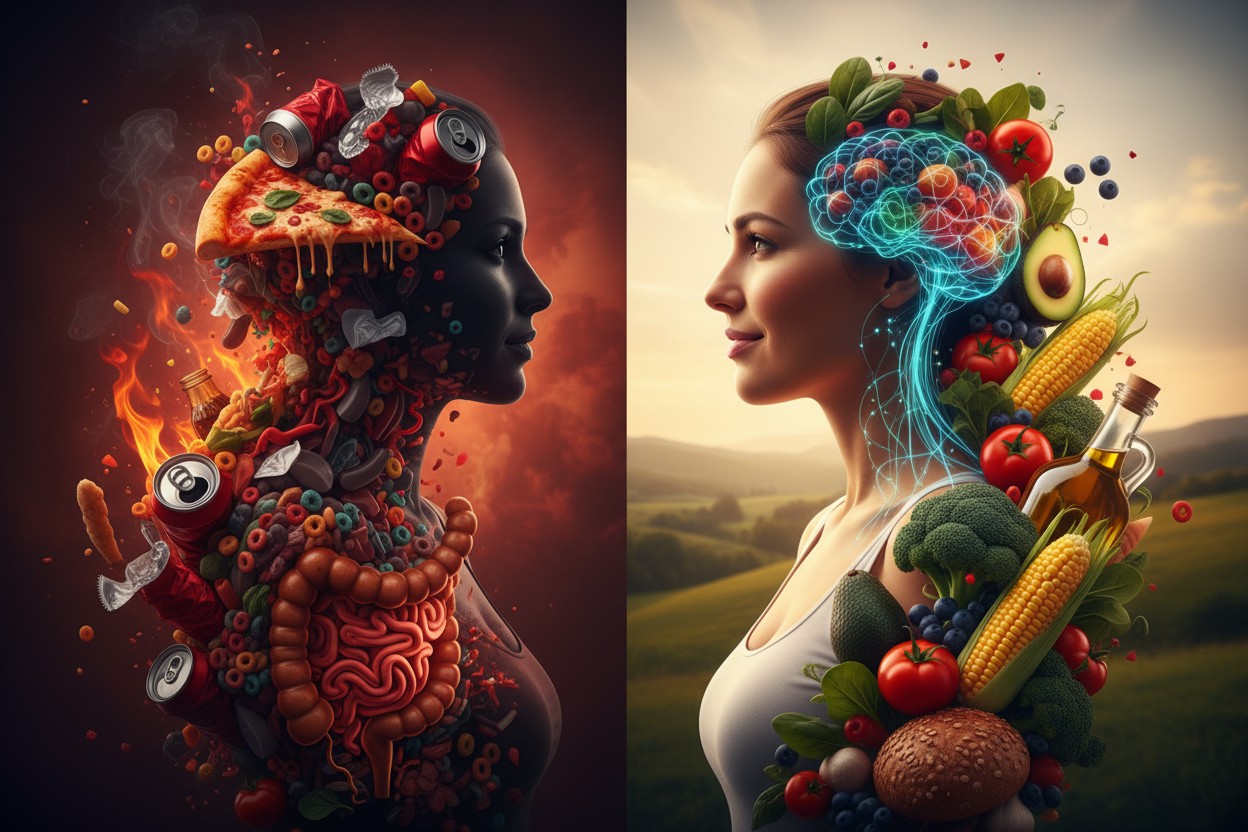
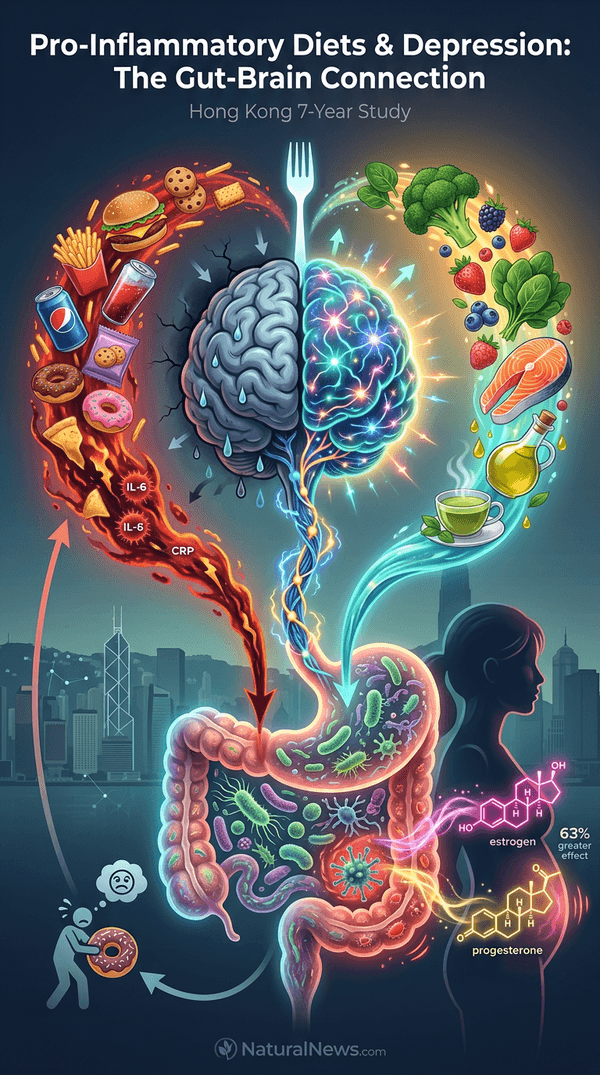
A seven-year study of 3,740 older adults in Hong Kong found that those consuming pro-inflammatory diets had consistently higher levels of depressive symptoms, according to researchers. The association was stronger in women, with a nearly 63% larger effect compared to men, the study reported. The research used the Dietary Inflammatory Index (DII) to score diets based on their inflammatory potential.
Depression is among the most common mental health conditions in the U.S., affecting 21 million adults or 8.4% of the population in 2020, according to Mercola.com [1]. The study adds to a growing body of evidence linking dietary patterns to mental health outcomes, according to experts cited in NaturalNews.com [2].
The Inflammation-Depression Connection
Chronic low-grade inflammation produces signaling molecules such as interleukin-6 and C-reactive protein, which have been linked to depressive symptoms, according to the report. Research indicates that depression is often associated with gastrointestinal inflammation and autoimmune diseases, as noted by Mercola.com [3]. George Slavich, a clinical psychologist at the University of California, told The Guardian, as cited by Mercola.com [4], "I don't even talk about it as a psychiatric condition any more. It does involve psychology, but it also involves equal parts of biology and physical health."
The DII scores foods based on their known effects on inflammatory markers; diets high in vegetables, fruits, whole grains, and tea receive lower scores. Participants in the highest DII group showed significantly more depressive symptoms than those in the lowest group throughout the follow-up period, officials said. The study used the Dietary Inflammatory Index to quantify the inflammatory potential of each participant's diet.
Gut-Brain Axis and Gender Differences
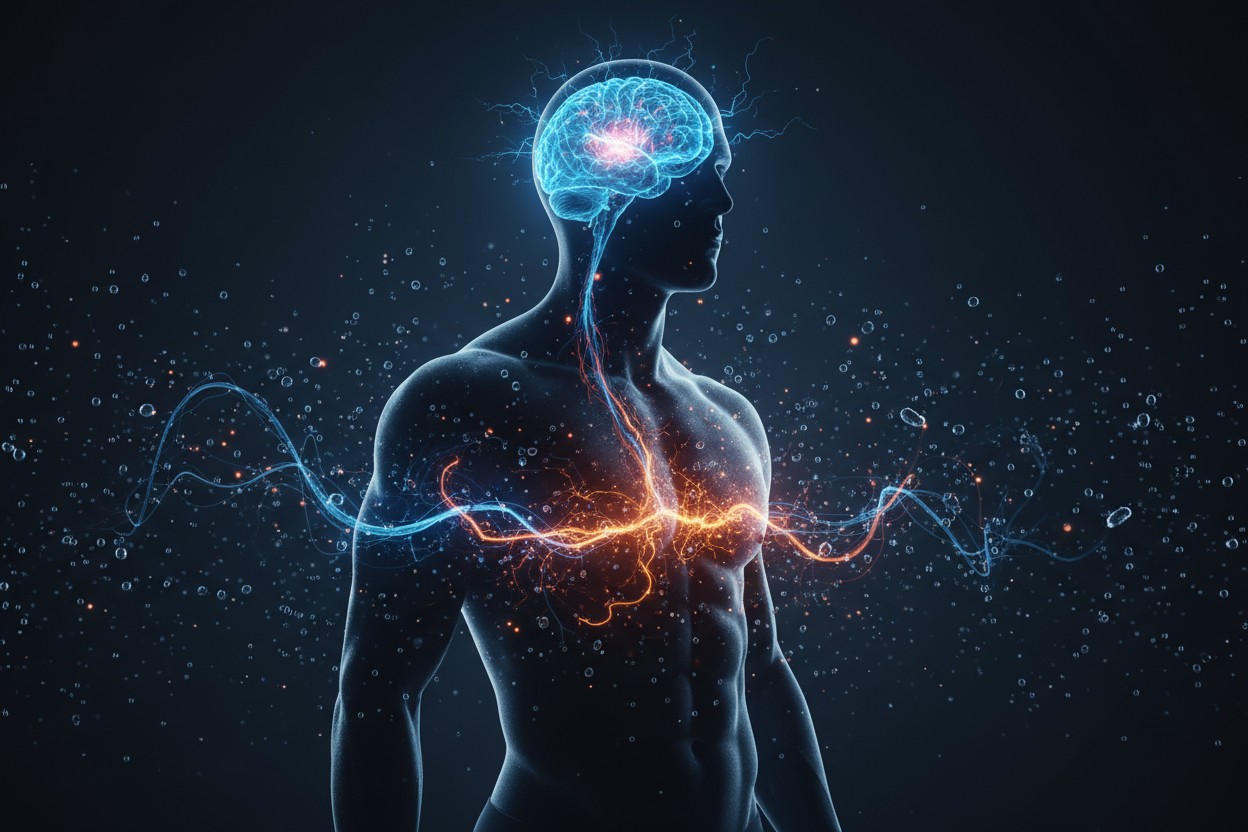
The gut microbiome communicates with the brain via the vagus nerve, immune signaling, and microbial metabolites, affecting neurotransmitter production and mood regulation, the study noted. "Your gut contains up to 80 percent of your body's entire immune system," according to NaturalNews.com [5], highlighting the crucial role of gut health in immune response. A diet rich in fiber, fermented foods, and plant diversity tends to support a healthier microbiome.
Fluctuations in estrogen and progesterone modulate immune signaling and inflammatory responses in the brain, making women potentially more vulnerable, researchers explained. During menopause, mood and sleep disturbances may drive women toward high-glycemic comfort foods, creating a self-reinforcing cycle of inflammation and depression, according to the report. According to Mercola.com [6], 11 percent of Americans over age 12 are on antidepressants, with the number rising to one in four among women in their 40s and 50s.
Inflammatory vs. Anti-Inflammatory Dietary Patterns
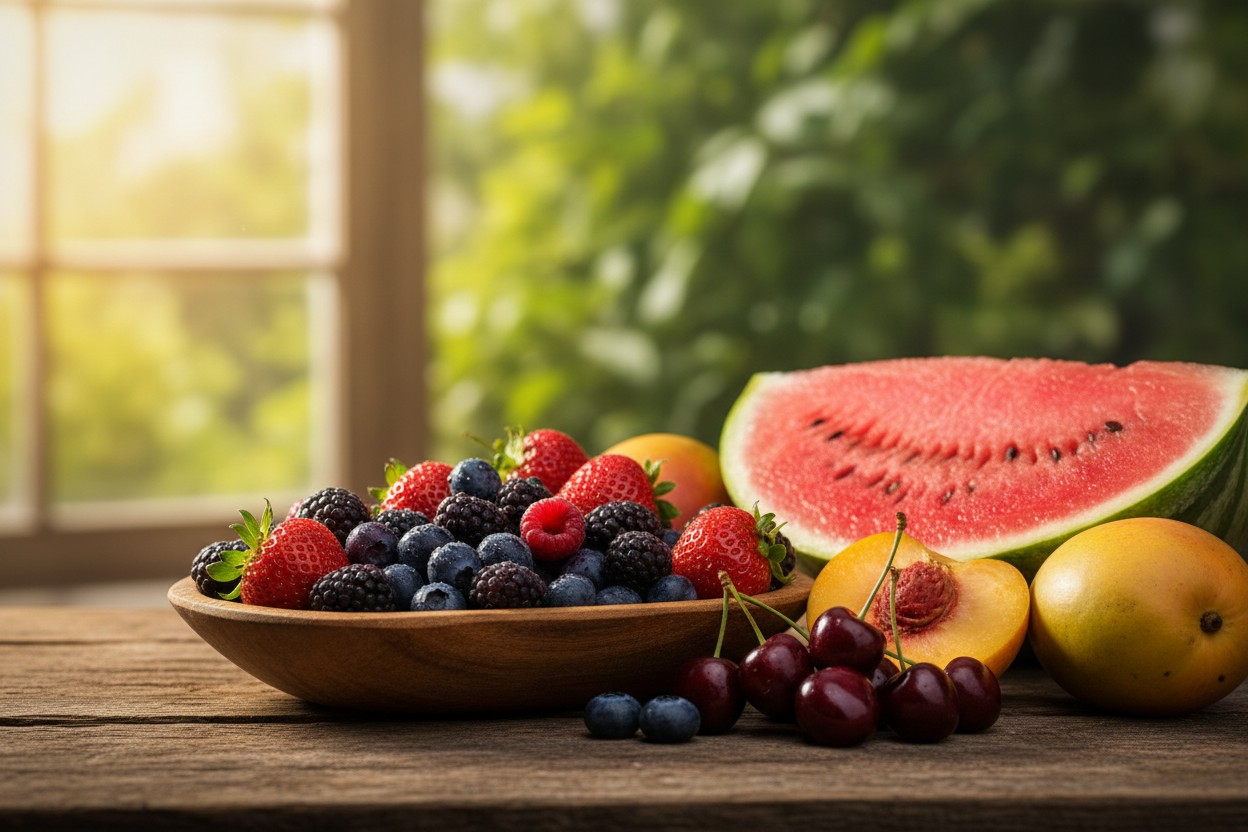
Pro-inflammatory diets are characterized by ultra-processed foods, refined carbohydrates, excess saturated and trans fats, added sugars, and low fiber intake, the study stated. Anti-inflammatory patterns include vegetables, fruits, whole grains, legumes, fatty fish, tea, soy foods, and olive oil, which are associated with lower DII scores and better mental health outcomes. The Mediterranean diet, rich in these components, has shown strong evidence for depression protection in observational research, according to experts cited in the report. Dr Steven R Gundry notes in his book "The Longevity Paradox" that olive-oil-enriched diets have been linked to reduced amyloid plaques in the brain [7].
A large-scale study linked higher consumption of flavonoid-rich foods to significantly reduced risks of frailty, impaired physical function, and poor mental health in older adults, according to NaturalNews.com [8]. The convergence of research from nutritional psychiatry indicates that micronutrients are at the forefront of a paradigm shift in understanding mental health, as reported by NaturalNews.com [2].
Practical Dietary Shifts and Conclusion
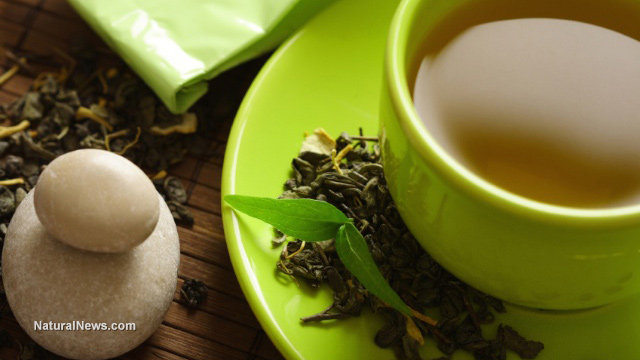
Small, consistent changes such as swapping refined grains for whole grains, adding vegetables to existing meals, and replacing sugary drinks with tea can reduce inflammatory intake, the report suggested. Depression has multiple contributors, but diet is a modifiable factor that influences inflammation and mood, according to the study authors. "The findings indicate that dietary interventions could be particularly beneficial for women's mental health," the lead researcher said in a statement.
The growing evidence supports the idea that fixing gut health could help treat depression, as discussed by Mercola.com [1]. Addressing root causes through diet and lifestyle changes is essential for long-term health, as noted by Sean Cohen and Dr. Habib in an interview with Mike Adams [9].
References
- Mercola.com. "Could Fixing Your Gut Health Help Treat Your". July 21, 2022.
- NaturalNews.com. "Dietary Patterns Linked to Mental Well-Being, Experts Report". March 22, 2026.
- Mercola.com. "Can Inflammation in this Organ be at the Root". October 06, 2011.
- Mercola.com. "More Than 200 Commonly Used Drugs Are Known t". June 28, 2018.
- NaturalNews.com. "Good bacteria modify our immune response by changing existing gut flora". February 14, 2019.
- Mercola.com. "Important Factors Typically Ignored in Mental". October 23, 2014.
- Dr Steven R Gundry. "The Longevity Paradox How to Die Young at a Ripe Old Age".
- NaturalNews.com. "Study Links Flavonoid Intake to Reduced Risks of Frailty, Physical Decline in Older Adults". March 27, 2026.
- Mike Adams. "2025 09 04 BBN Interview with Cohen vs Habib BU ".
Explainer Infographic






Please contact us for more information.