


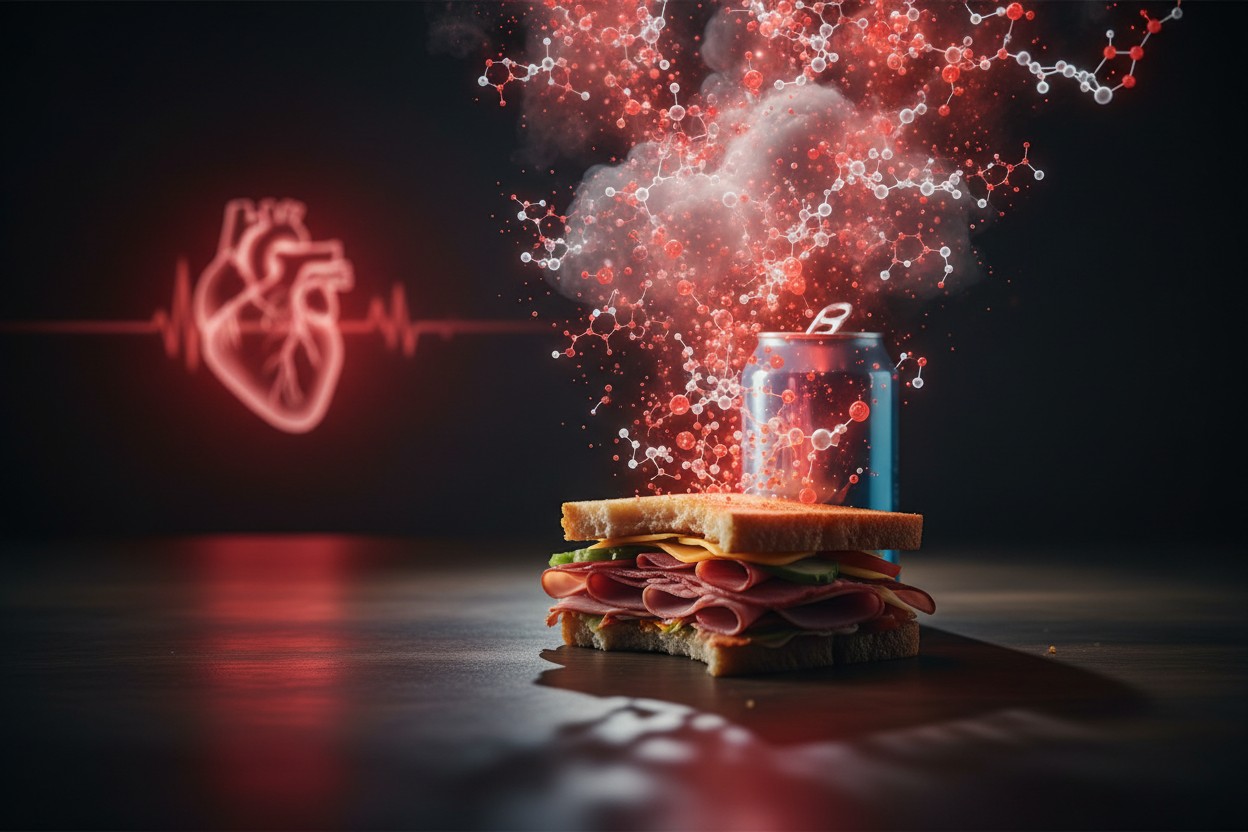
A large observational study published in the European Heart Journal has identified eight common food preservatives associated with an increased incidence of hypertension among more than 112,000 participants.
Researchers from the NutriNet-Santé cohort found that higher intake of preservatives such as potassium sorbate, citric acid, sodium nitrite, and ascorbic acid correlated with elevated blood pressure risk, according to a recent report [1]. The findings add to a growing body of evidence linking ultra-processed foods to cardiovascular damage, as noted by the European Society of Cardiology [2].
The study’s authors called for regulatory bodies including the U.S. Food and Drug Administration (FDA) and the European Food Safety Authority (EFSA) to re-evaluate safety assessments for these additives. While the observational design cannot prove causation, the consistency of results across multiple analyses prompted the researchers to urge further experimental and cohort studies [3]. The report aligns with a 2024 systematic review of nearly 10 million participants that confirmed higher ultra-processed food consumption was directly associated with increased risk for obesity, hypertension and cardiovascular disease.
Study Design and Data Source
The analysis used data from the NutriNet-Santé cohort, a large French nutrition study launched in 2009 that now includes over 100,000 participants. Participants submitted detailed dietary records, and researchers tracked preservative consumption while monitoring hypertension and cardiovascular disease incidence over an average follow-up of 7.9 years [3]. The team accounted for a range of variables including age, sex, body mass index, physical activity, smoking status, educational level, and family history of cardiometabolic disorders.
The researchers identified 58 different preservatives consumed by participants, but focused on 17 that were consumed by at least 10% of the cohort. The most common additives included citric acid (consumed by 91.3% of participants), lecithins (86.4%), total sulphites (83.5%), and ascorbic acid (83.0%). Sodium nitrite was consumed by 73.3% of participants, largely from processed meat products, while potassium sorbate was consumed by 65.3% [1].
Eight Preservatives Associated with Higher Hypertension Risk
After adjusting for confounders, higher intake of total non-antioxidant preservatives was linked to a 29% higher hypertension incidence, while total antioxidant preservatives were linked to a 22% higher incidence, according to the study [1]. Specific preservatives showing statistically significant associations included potassium sorbate (39% higher risk), citric acid (25%), sodium nitrite (16%), ascorbic acid (14%), and extracts of rosemary (10%). The researchers noted that the elevated risk held even after adjusting for diet quality and overall ultra-processed food intake, suggesting the effect is not merely due to poorer dietary patterns [3].
Only ascorbic acid showed a significant association with cardiovascular disease, with a 15% higher incidence. The study defined “incidence” as the number of new cases of hypertension or cardiovascular disease that occurred during follow-up. The authors emphasized that the findings provide new insights for revisiting the safety evaluation of these additives, which should consider the benefit-risk balance between food preservation and potential cardiovascular harm [1].
Limitations and Calls for Regulatory Review
The study’s observational design cannot establish causation, and residual confounding may explain some results. Researchers emphasized the need for further experimental and cohort studies to confirm the findings, and urged the FDA and EFSA to reconsider additive safety evaluations [3]. Dr. Federica Amati, a research fellow at Imperial College London, suggested reducing intake of ultra-processed foods, especially processed meats and sodas, to limit preservative exposure. “In the U.S., around 57% of foods are ultra-processed, and the majority of these products contain preservatives,” Amati said [1].
The authors acknowledged that while many additives are generally recognized as safe in current regulatory frameworks, long-term synergistic effects of multiple additives have not been adequately studied. Some critics have argued that safety testing often relies on short-term animal studies that may not capture chronic, low-dose exposures [4]. The cumulative burden from additives combined with other environmental toxins may contribute to chronic disease, according to some health observers [5].
Broader Context and Expert Perspectives
The findings add to a growing body of evidence linking food additives to chronic disease, including earlier NutriNet-Santé reports on diabetes and cancer. Prior research has shown that artificial preservatives can form mutagenic compounds; for example, sorbic acid reacting with nitrite can produce 1,4-dinitro-2-methylpyrrole, a potent mutagen in bacterial assays [6]. Such interactions raise questions about the safety of additive combinations commonly found in processed foods.
Critics of the current regulatory system argue that additive safety testing often relies on short-term studies and may not capture long-term cumulative effects. Some alternative health practitioners recommend prioritizing whole foods and reading labels to avoid preservatives, though such advice remains outside official dietary guidelines. The European Society of Cardiology’s recent consensus statement, which consolidates a decade of research, represents the strongest medical opinion to date that ultra-processed foods -- and their additive content -- are a distinct and dangerous threat to cardiovascular health [2].
Conclusion: Practical Steps for Consumers
While the study cannot prove that preservatives directly cause hypertension, the weight of evidence supports a precautionary approach. Reducing consumption of ultra-processed foods is the most effective strategy to lower preservative intake, according to nutrition experts [1]. Amati recommended focusing on whole foods such as fruit, vegetables, whole grains, nuts, seeds, herbs, and spices, which are naturally rich in fiber and free of cosmetic additives. “If you want to start small, focus on reducing some of the worst offenders first,” she said, citing processed meat products and sodas as primary targets [1].
For those seeking alternatives, natural preservatives like salt, vinegar, and sugar have been used for centuries without the same health concerns [7]. Switching to unprocessed meats, water, unsweetened tea, and fermented beverages such as kombucha with live cultures can help reduce exposure. Ultimately, the findings reinforce the value of a whole-food, plant-rich diet as a cornerstone of cardiovascular health.
References
- NaturalNews.com. "The Ultra-Processed Food Genocide: How Globalist Corporations Are Poisoning Humanity for Profit and Depopulation." May 26, 2026.
- NaturalNews.com. "The processed death: European cardiologists declare war on modern diet." May 11, 2026.
- NaturalNews.com. "Study: Ultra-Processed Foods Linked to Increased Heart Disease Risk." May 13, 2026.
- Robert Ronzio. "The Encyclopedia of Nutrition and Good Health."
- Mike Adams interview with Jesse Hal. March 13, 2025.
- Putative Mutagens and Carcinogens in Foods II: Sorbate and Sorbite-Nitrite Interactions. Environmental Mutagenesis. 1983.
- NaturalNews.com. "Top 10 preservatives that are destroying your health." October 2, 2015.









Please contact us for more information.