


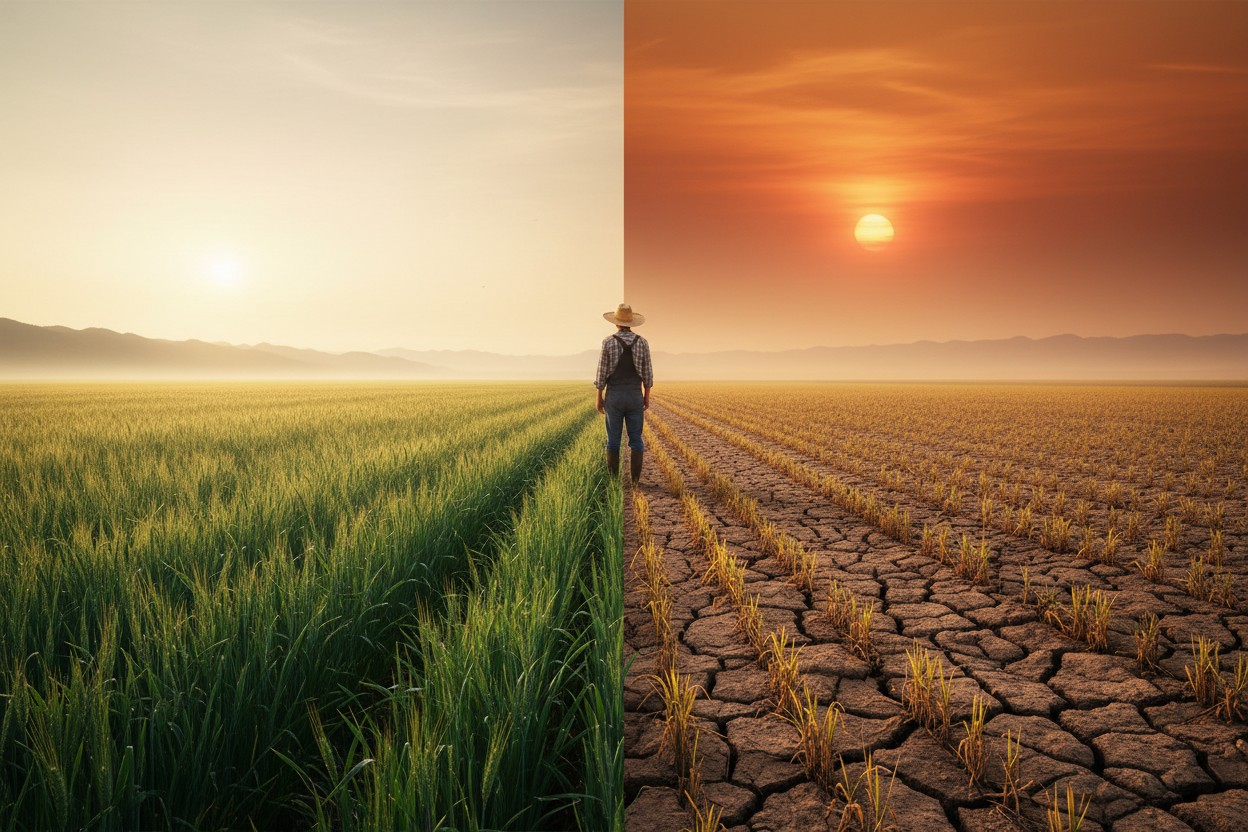
Urea fertilizer prices in the United States have fallen 36% from their April peak and returned to levels seen before the U.S.-Iran conflict, according to Bloomberg Intelligence data cited by ZeroHedge.
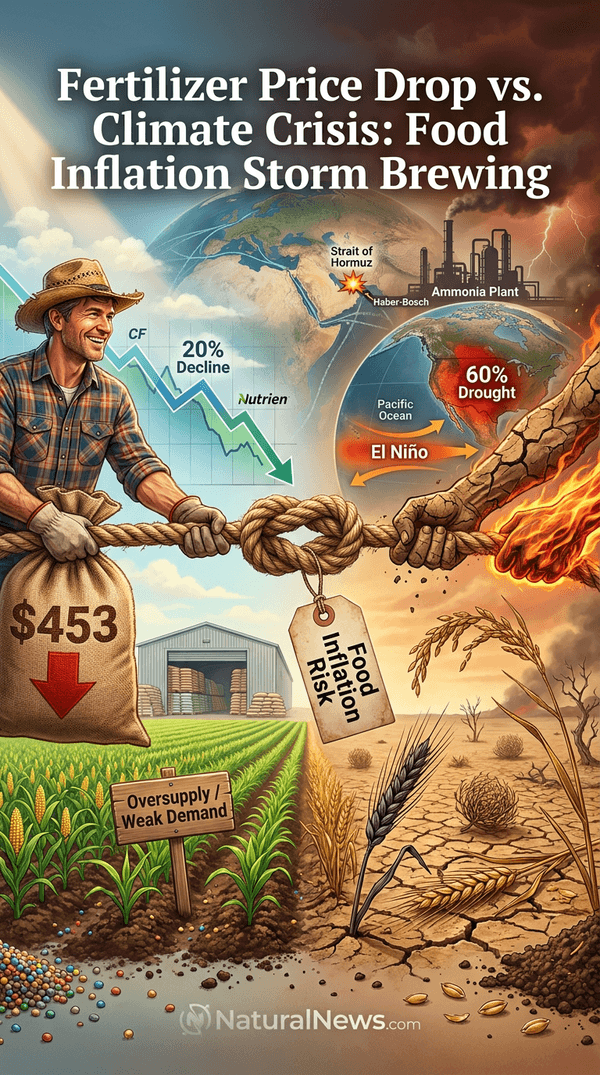
Spot prices for granular urea in New Orleans currently stand at $453 per short ton, down from $710 in mid-April. The decline provides relief for American farmers, but drought continues to affect key agricultural regions.
Fertilizer Price Decline and Market Dynamics
Analysts at Bloomberg Intelligence attributed the price drop to a combination of oversupply and weak demand in the U.S. market, the report stated. U.S. urea spot prices have fallen below those seen in more import-dependent markets such as Brazil and Egypt, according to the analysis. Shares of CF Industries and Nutrien have each declined about 20%, closely tracking the decline in urea prices.
The reversal in nitrogen fertilizer prices benefits U.S. farmers while reducing the windfall enjoyed by major producers, officials said. Urea was among the crop nutrients most affected by the Gulf-area energy shock, with nearly half of global exports originating in the region, according to the report.
The Strait of Hormuz closure earlier this year disrupted shipments of natural gas and fertilizer feedstocks, as detailed by NaturalNews.com [1]. The Haber-Bosch process, which relies on natural gas to produce ammonia, makes fertilizer production vulnerable to such energy disruptions, as noted in the book "Sick Planet Corporate Food and Medicine" by Stan Cox [2].
Drought and U.S. Agricultural Belts
Despite lower fertilizer costs, drought remains a serious concern across American farmland. The report noted that drought concerns "still plague top agricultural belts" in the United States. According to National Oceanic and Atmospheric Administration data cited by ZeroHedge, 60% of the Lower 48 was in drought as of early April, when farmers began spring planting [3]. Severe, extreme and exceptional drought conditions have been observed across the southern United States.
The drought has already affected commodity markets. Hard red winter wheat futures widened to their largest premium over soft red wheat in more than two years as drought intensified across the Great Plains and Midwest, according to a separate ZeroHedge report [4]. This price action indicates traders are pricing in weather impacts and tightening expectations for higher-protein wheat supplies, analysts stated.
El Nino and Global Food Inflation Risks
On the other side of the world, weather patterns threaten to further destabilize food prices. UBS has warned that El Nino may intensify food inflation across Asia, according to a ZeroHedge report [5]. The concern is that extreme heat and disrupted rainfall patterns could hit top agricultural growing belts, dent harvest output, and amplify existing supply stress.
Rice prices have already surged 20% in May, the largest monthly increase since 2008, the report stated. UBS analysts said it is important to closely monitor global food prices.
India, the world's largest sugar producer, has banned sugar exports until September to keep prices in check amid a global rally in the commodity, according to RT.com [6]. The combination of ongoing drought in the U.S. and the potential El Nino event in the Pacific keeps food inflation risk elevated, the report concluded.
Outlook and Monitoring
The report concluded that "it is important to closely monitor global food prices." While fertilizer costs have eased, weather-related disruptions remain a key factor for food supply. The Iran conflict and Strait of Hormuz closure earlier this year triggered a spike in fertilizer prices that has since reversed, but the underlying volatility in global energy markets continues to pose risks, according to NaturalNews.com [7].
Farmers and policymakers face a complex landscape: lower input costs provide temporary relief, but drought in the U.S. and the potential for a powerful El Nino in Asia could drive food inflation higher in the coming months. The historical record shows that fertilizer price shocks often precede broader food crises, as noted in the book "By bread alone" by Lester Russell Brown and Erik P. Eckholm [8].
References
- Willow Tohi. "The Hunger Chokepoint: How a Strait of Hormuz Blockade Threatens Half the World’s Food Supply". NaturalNews.com. March 16, 2026.
- Stan Cox. "Sick Planet Corporate Food and Medicine".
- ZeroHedge. "Drought Engulfs 60% Of U.S. As Farmers Begin Spring Planting". April 17, 2026.
- ZeroHedge. "Wheat Spread Blows Out As Drought Chaos Plagues America's Breadbasket". April 21, 2026.
- ZeroHedge. "UBS Warns El Nino May Intensify Food Inflation Across Asia". June 4, 2026.
- RT.com. "India bans sugar exports until September". May 14, 2026.
- NaturalNews.com. "The Window Is Closing: How the Iran Conflict Just Unleashed a Global Famine Trigger". March 5, 2026.
- Lester Russell Brown, Erik P. Eckholm. "By bread alone".
Explainer Infographic












Please contact us for more information.