


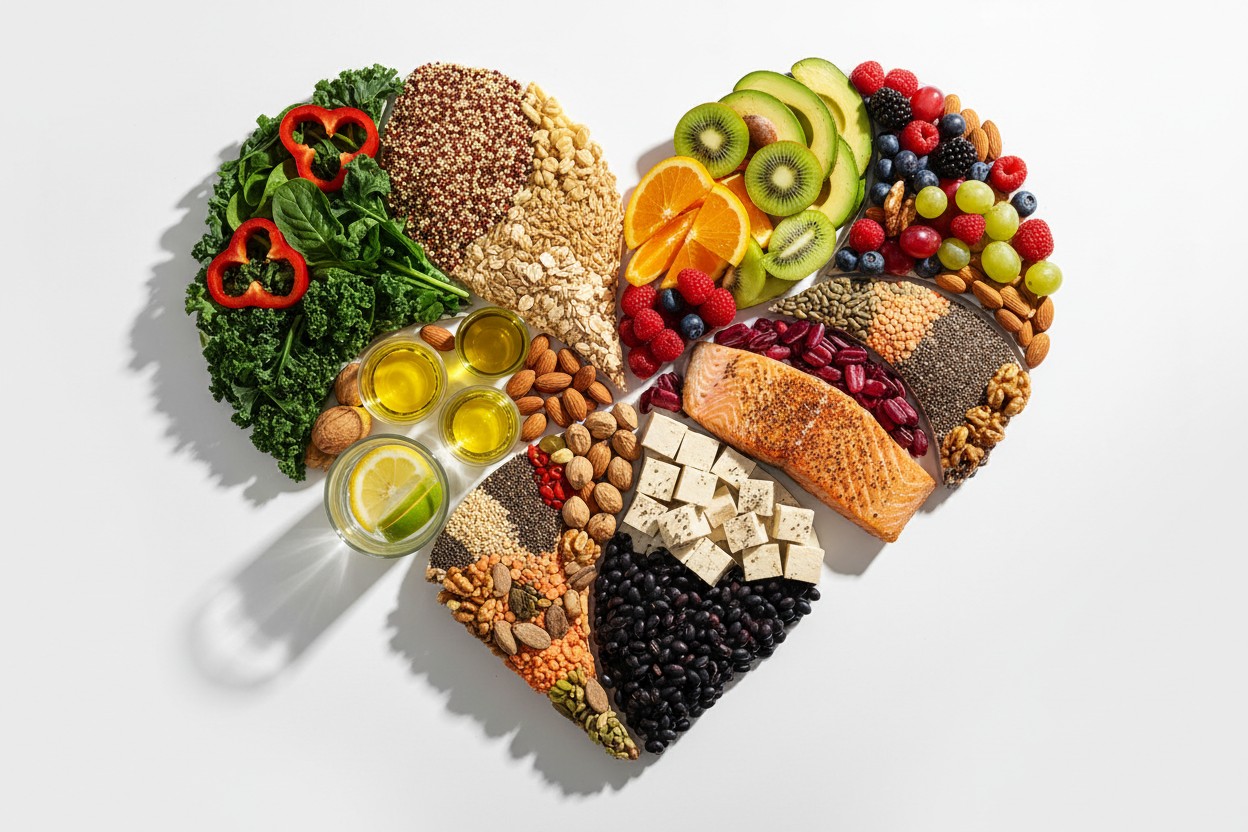
- Phytosterols are naturally occurring compounds in plant-based foods that lower LDL cholesterol by blocking its absorption, but new research extends their benefits to improved insulin regulation, reduced inflammation and a healthier gut microbiome.
- A Harvard study analyzing data from over 200,000 American health professionals over 36 years, found that high phytosterol intake was linked to a 9% lower risk of heart disease and an 8% lower risk of Type 2 diabetes.
- The top-performing participants consumed about five servings of vegetables, three servings of fruit, two servings of whole grains and half a serving of nuts daily, yet 90% of Americans do not meet these benchmarks.
- Higher phytosterol intake led to healthier markers of insulin sensitivity and inflammation, favorable blood metabolite changes and a gut microbiome enriched with beneficial bacteria.
- Simple dietary tweaks like adding spinach to eggs, rotating in Brussels sprouts or sweet potatoes and sprinkling nuts on yogurt can boost phytosterol intake, with guar fiber supplements potentially enhancing cholesterol-lowering effects.
For decades, the message to eat more fruits and vegetables has been a cornerstone of public health advice. But a groundbreaking new study presented at the American Society for Nutrition’s 2025 conference reveals that the true magic might lie in a specific, often-overlooked compound hiding within these plant foods: phytosterols. The research not only confirms their role in cholesterol management but unveils a deeper, more profound connection to preventing metabolic diseases.
As noted by BrightU.AI's Enoch, phytosterols are naturally occurring compounds found in plant-based foods. Structurally similar to cholesterol, they have long been known to block the absorption of LDL, or bad, cholesterol in the gut.
However, this latest research extends our understanding far beyond cholesterol reduction, linking them to improved insulin regulation, reduced inflammation and a healthier gut microbiome. These factors are now considered critical in preventing heart disease and Type 2 diabetes.
Researchers from the Harvard T.H. Chan School of Public Health conducted a massive analysis, examining data from over 200,000 American health professionals over a 36-year period. This robust dataset, drawn from multiple long-term cohort studies, allowed them to draw meaningful conclusions about the impact of dietary phytosterols on health outcomes.
The study specifically analyzed participants who regularly filled out detailed questionnaires about their food intake, allowing researchers to estimate total phytosterol consumption and group individuals into high and low consumers.
The study found that participants consuming a diet rich in vegetables, fruits, nuts and whole grains, specifically those containing phytosterols, had significantly lower risks of heart disease and Type 2 diabetes. Those with the highest intake were 9% less likely to develop heart disease and 8% less likely to develop Type 2 diabetes. These findings are particularly significant given that 90% of Americans do not meet these dietary benchmarks.
The plant power revolution is just beginning
So what does a high-phytosterol diet look like? The top-performing participants typically consumed about five servings of vegetables, three servings of fruit, two servings of whole grains and half a serving of nuts daily. In contrast, the average U.S. adult consumes only one serving of fruit and 1.5 servings of vegetables per day, highlighting a massive gap in nutritional intake.
But the study went beyond simply identifying a link. "It also asked: What's happening biologically to support that connection? Looking at inflammation, insulin regulation, blood metabolites and gut microbes," the researchers noted.
The analysis revealed that a higher phytosterol intake leads to healthier markers of insulin sensitivity and inflammation, favorable changes in blood metabolites and a gut microbiome enriched with beneficial bacteria that may help break down phytosterols. This trio of effects, improved insulin regulation, reduced inflammation and a healthier gut microbiome, is critical in preventing metabolic diseases.
Achieving these protective benefits is achievable through simple dietary tweaks. The researchers suggest adding veggies to meals you already make, such as tossing spinach into eggs or stirring frozen broccoli into pasta.
Layering in more variety, rotating in Brussels sprouts, cabbage or sweet potatoes, ensures a broader range of phytosterols. Adding a sprinkle of nuts or seeds to yogurt, salads, or smoothies is another easy strategy. Even aiming for just one extra serving of fruits or vegetables per day can make a significant difference.
For those still falling shy of the recommended fiber intake, the researchers suggest considering a fiber supplement to help close the gap. A high-quality fiber supplement helps stabilize blood sugar levels, lowers LDL cholesterol, feeds beneficial gut bacteria and improves regularity.
Guar fiber, a soluble fiber found primarily in supplements, may even boost the cholesterol-lowering and anti-inflammatory effects of phytosterols by forming a gel-like consistency in the gut that helps them stay in the digestive tract longer. Adding more fruits, vegetables, nuts and whole grains to your diet is an effective, evidence-based way to lower your risk of some of the most common chronic diseases.
Watch this video discussing a heart-healthy diet.
This video is from the Vegan Shenanigan channel on Brighteon.com.
Sources include:












Please contact us for more information.