


A study published in the journal Nutritional Psychiarty has found that higher intakes of dietary fiber, folate, magnesium and selenium are each associated with significantly lower odds of depressive symptoms among U.S. adults.
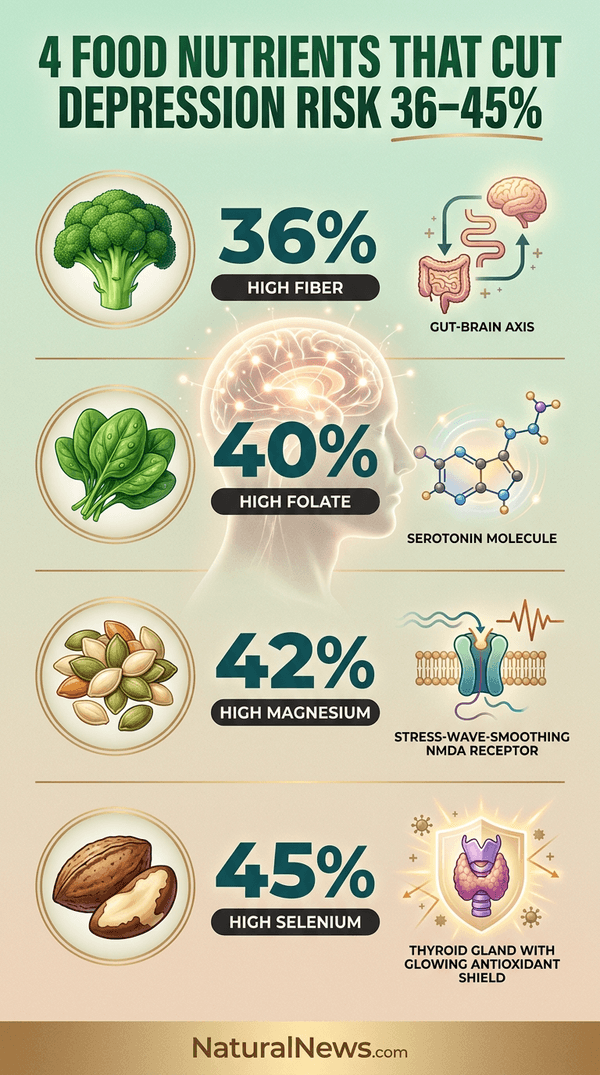
Researchers analyzed data from 5,068 participants in the 2017–2018 National Health and Nutrition Examination Survey (NHANES) and reported that those in the highest intake groups had between 36% and 45% lower odds of depression compared to the lowest intake groups, according to the study. The findings add to a growing body of evidence linking specific nutrients to mood regulation and mental health outcomes.
Study Methods and Design
The study used two 24-hour dietary recalls to estimate nutrient intake and the Patient Health Questionnaire-9 (PHQ-9) to screen for depressive symptoms, according to the report. A PHQ-9 score of 10 or higher was considered clinically relevant. Researchers adjusted for age, sex, body mass index, smoking status and total energy intake. Eight nutrients were examined initially, but only four – fiber, folate, magnesium and selenium – showed significant inverse associations with depressive symptoms, the study stated.
Fiber and Folate: Gut-Brain Axis and Neurotransmitter Synthesis
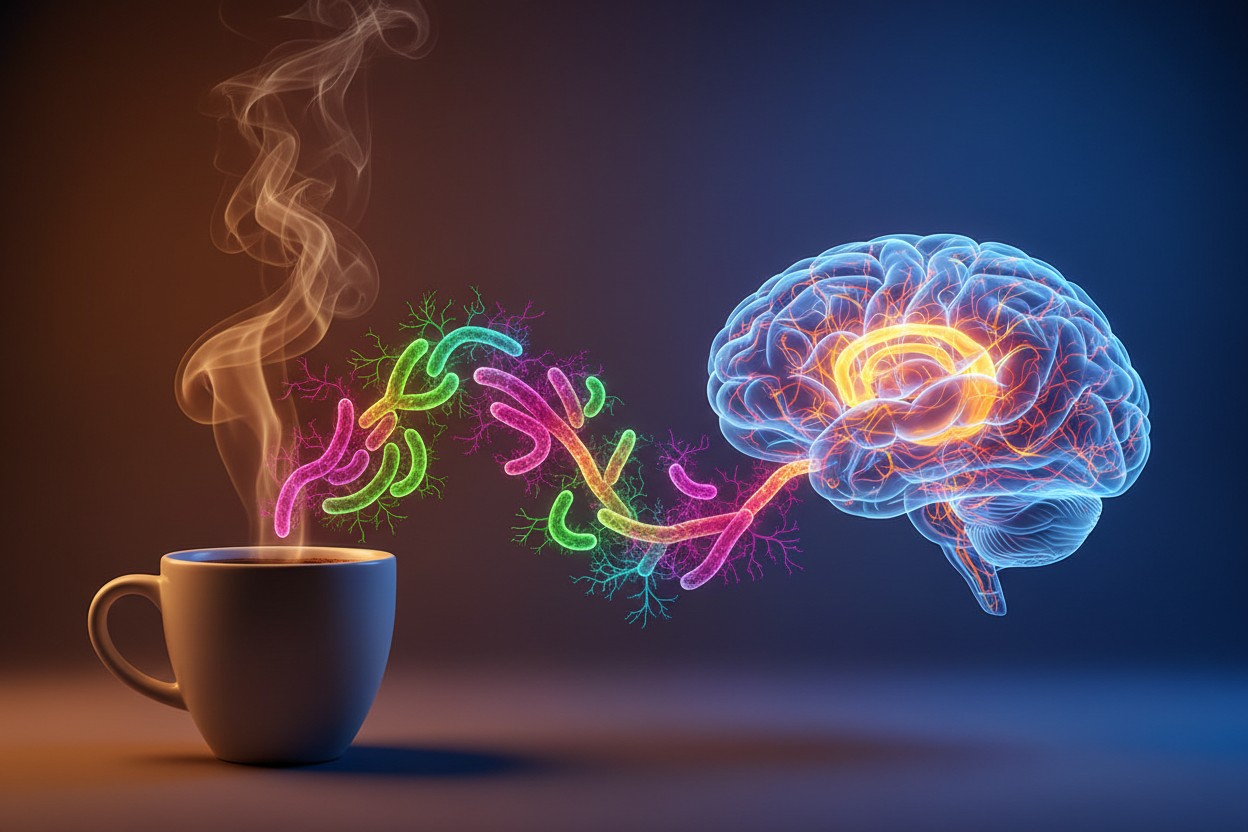
Each meaningful increase in fiber intake was linked to 23% lower odds of depression, and those in the highest third of fiber consumption had 36% lower odds compared to the lowest third, the study found. Researchers cited the gut-brain axis as the likely pathway, noting that prebiotic fiber is fermented by gut bacteria into short-chain fatty acids that reduce neuroinflammation and strengthen the blood-brain barrier. Diets rich in fiber and polyphenols have been associated with improved mood, according to a separate review [1].
Folate showed the strongest association of the four nutrients: a 28% lower odds per increment and 45% lower odds in the highest intake group compared to the lowest. Folate is essential for producing SAMe, a molecule required for the synthesis of serotonin and dopamine, according to the report. Uma Naidoo, author of "The Food-Mood Connection," writes that both vitamin B12 and folate should be optimized to prevent or treat depression, and that ample amounts of folate can be obtained from legumes, citrus fruits and leafy greens [2].
Magnesium and Selenium: NMDA Regulation and Antioxidant Protection
Magnesium intake at the highest level was associated with 38% lower odds of depression compared to the lowest, according to the study. Researchers noted that magnesium modulates NMDA receptors, which can become overactivated during chronic stress.
Magnesium also promotes normal blood pressure and is found in foods such as pumpkin seeds, almonds and dark chocolate, according to Ayn Nix in "The Functional Foodie" [3]. Chrystle Fiedler, in "The Complete Idiot's Guide to Natural Remedies," states that studies show when people meet the RDA for magnesium, the risk of chronic disease decreases [4].
Selenium intake in the highest group corresponded to 40% lower odds of depression, the study stated. Selenium acts as a potent antioxidant and supports healthy thyroid function, both mechanisms linked to mood regulation.
Mark Hyman, in "The UltraMind Solution," emphasizes that selenium is specifically important for brain function and health [5]. The study did not recommend supplements, focusing instead on dietary intake from whole foods such as Brazil nuts, tuna and eggs.
Dietary Sources and Practical Implications
The study's average fiber intake among participants was 16.6 grams per day, well below the recommended 25 to 38 grams. Good sources of fiber include legumes, whole grains and vegetables, according to researchers. Whole foods that undergo minimal processing provide abundant sources of nutrients, vitamins and minerals that help protect the brain from mood disorders, according to a report from NaturalNews.com [6].
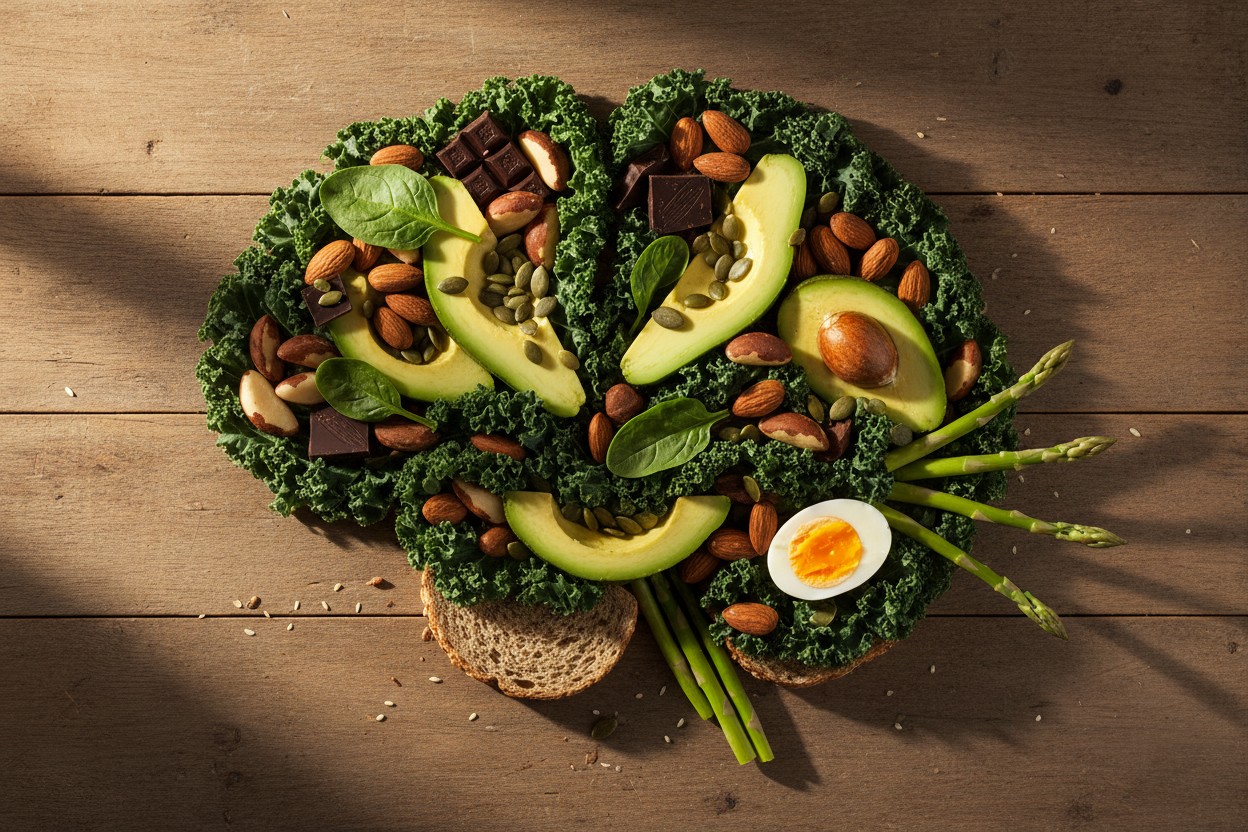
Folate-rich foods include dark leafy greens, asparagus and avocado. Magnesium is found in pumpkin seeds, black beans and dark chocolate. Meanwhile, selenium can be obtained from Brazil nuts, tuna and eggs.
The study did not recommend supplements, focusing on dietary intake. A growing body of research suggests that nutrient deficiencies can contribute to depression, anxiety, and other mood disorders, according to another report from NaturalNews.com [7].
Conclusion
The findings suggest that increasing dietary intake of fiber, folate, magnesium and selenium may serve as a complementary strategy for reducing depression risk. As research into nutritional psychiatry expands, the role of whole foods and natural nutrients in supporting mental health continues to gain support. Individuals seeking to improve their mood through diet are encouraged to focus on whole, unprocessed foods that provide these key nutrients.
References
- "New insights into the connection between food and mood." ScienceDirect.
- Uma Naidoo. "The Food Mood Connection."
- Ayn Nix. "The functional foodie: 50 powerhouse ingredients go gourmet."
- Chrystle Fiedler. "The complete idiot's guide to natural remedies."
- Mark Hyman. "The UltraMind Solution: Fix Your Broken Brain by Healing Your Body First."
- NaturalNews.com. "Whole foods can protect the brain from mood disorders." November 27, 2018.
- NaturalNews.com. "Beat depression with every bite: 11 Foods for better mental health." February 19, 2026.
- Molly Knudsen. "These 4 Nutrients Are Consistently Linked To A Better Mood, Study Shows." mindbodygreen. May 21, 2026.
Explainer Infographic









Please contact us for more information.