


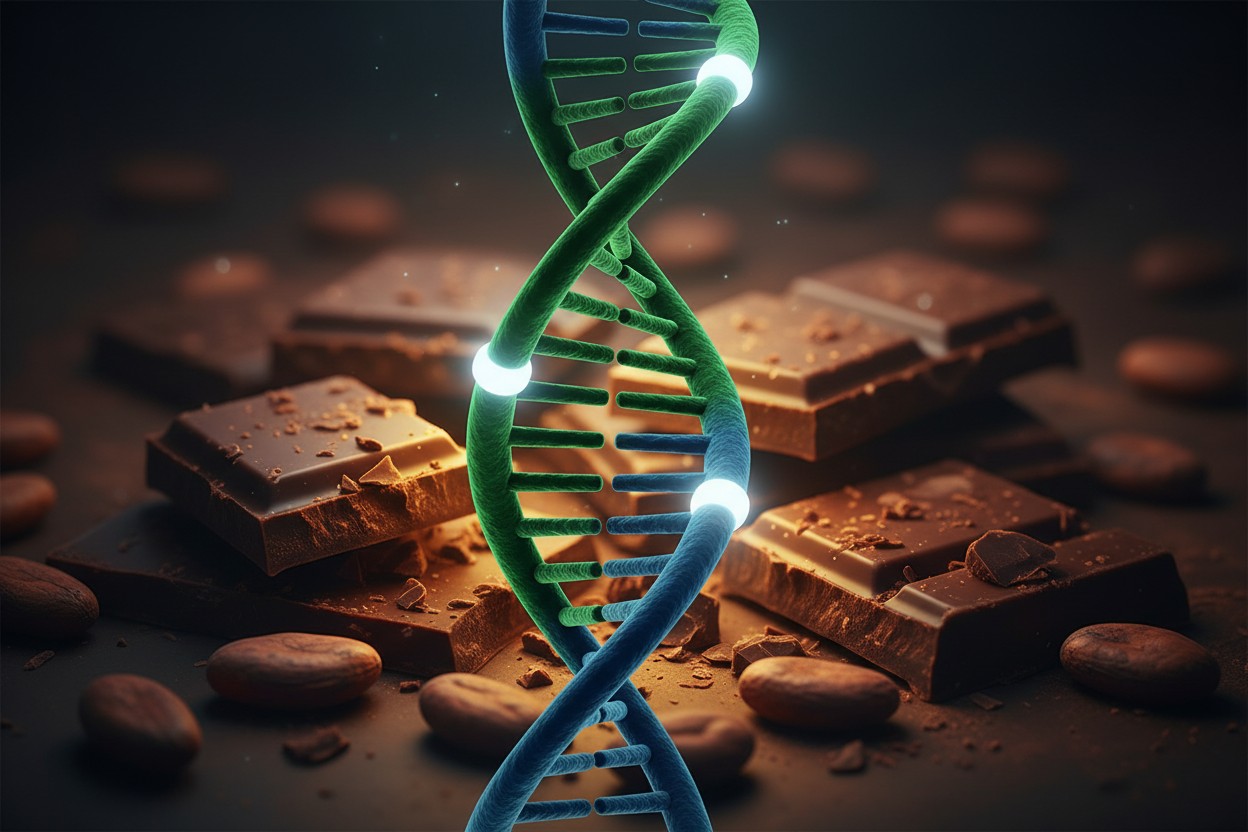
A study published in the journal Aging has identified theobromine, a natural compound found in cocoa, as being associated with slower biological aging in adults. Researchers from King’s College London analyzed blood samples from nearly 1,700 participants across two European cohorts, measuring circulating levels of theobromine alongside markers of cellular aging.
The analysis found that individuals with higher blood levels of theobromine exhibited less epigenetic age acceleration, meaning their biological age appeared younger than their chronological age, according to the report [1].
The association remained consistent when researchers adjusted for other cocoa- and coffee-related compounds, suggesting the effect may be specific to theobromine itself.
Study Methodology and Key Findings
Rather than relying on chronological age, the researchers used molecular tools to estimate biological age. One such tool was DNA methylation analysis using the GrimAge epigenetic clock, which estimates biological age based on patterns of gene activation and suppression.
They also measured telomere length, the protective caps on chromosomes that shorten with age and stress, according to the study authors [2].
When comparing all cocoa- and coffee-related compounds measured in the blood, theobromine consistently stood out as the compound most strongly linked to slower epigenetic aging. A similar, though more modest, pattern was observed with telomere length, according to the report.
However, the study was observational and cannot prove cause and effect, the authors cautioned.
What Is Theobromine?
Theobromine is a bitter-tasting alkaloid found primarily in the cacao bean, which is the source of chocolate, according to a review of the compound [3]. Its name derives from the genus Theobroma of the cacao tree, meaning "food of the gods" in Greek.
The compound is also present in smaller amounts in coffee, tea, and yerba mate, as noted in botanical studies [4]. Chemically related to caffeine, theobromine is a milder stimulant and does not cross the blood-brain barrier as easily, according to previous research.
Unlike caffeine, theobromine acts as a vasodilator, relaxing blood vessels, and has been linked to cardiovascular benefits, including improved blood vessel function and healthier lipid profiles, the study noted [3].
The compound is a methylxanthine, a class that includes caffeine and theophylline, and is found in tea leaves in very minute concentrations [5].
Study Limitations and Caveats
Because the study is observational, it cannot establish that theobromine directly slows aging, explained the authors. It is possible that individuals who age more slowly metabolize theobromine differently, or that theobromine serves as a marker for other beneficial compounds in cocoa, such as flavan-3-ols (flavanols), or for broader lifestyle patterns [6].
The findings do not suggest that consumers should eat more commercial chocolate bars, researchers stated. Dark chocolate with at least 70% cocoa and minimal added sugar contains higher concentrations of beneficial plant compounds, according to the report [7].
Excessive theobromine intake can cause adverse effects, including headaches and digestive issues, the study noted.
Broader Context and Takeaways
In addition to theobromine, dark chocolate delivers minerals such as magnesium, iron, and copper, along with antioxidant polyphenols, according to the article [8]. These nutrients are linked to cardiovascular and metabolic health, which are connected to aging, the report stated [9].
The takeaway, according to the researchers, is to be intentional with chocolate consumption as part of a broader health regimen that includes movement, sleep, stress management, and a nutrient-dense diet [8].
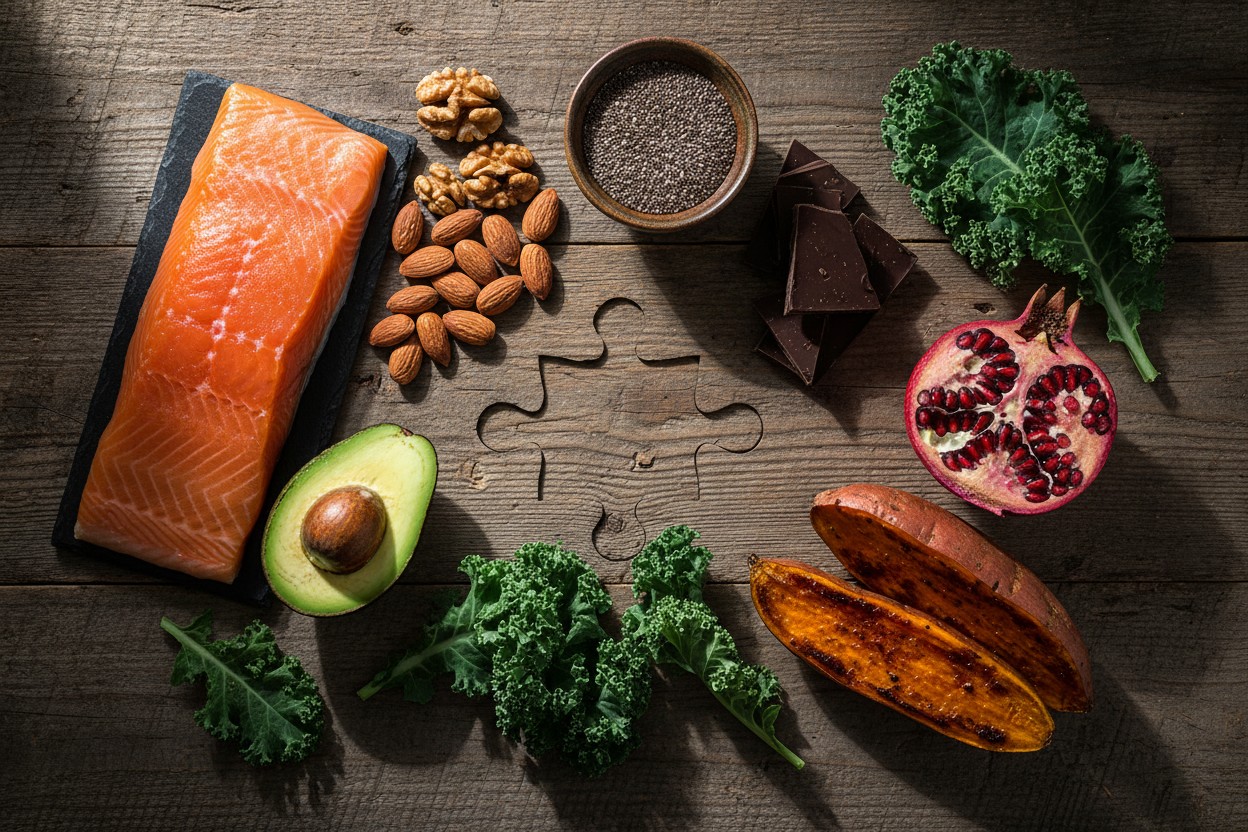
Theobromine found in cocoa represents one small, enjoyable piece of the longevity puzzle, the authors concluded. [10]
References
- NaturalNews.com. "Dark chocolate compound linked to slower biological aging, new study reveals." January 5, 2026.
- NaturalNews.com. "Compound in dark chocolate linked to slower biological aging." January 14, 2026.
- NaturalNews.com. "Theobromine Unwrapping the food of the gods molecule in chocolate." September 8, 2025.
- T Pullaiah, et al. "Phytochemistry and Pharmacology of Medicinal Plants."
- Reuben Carolyn. "Antioxidants your complete guide fight cancer and heart disease improve your memory and slow the aging process."
- NaturalNews.com. "Chocolate fountain of youth? Cocoa compound tied to youthful cells." December 12, 2025.
- NaturalNews.com. "Cocoa compound linked to slower biological aging, study suggests." December 30, 2025.
- NaturalNews.com. "Dark chocolate compound linked to slower aging in groundbreaking DNA study." January 7, 2026.
- Tomas Barberan, Ashihara Hiroshi, Crozier Alan. "Teas Cocoa and Coffee."
- This Dark Chocolate Compound Is Linked To Slower Biological Aging, Study Finds. mindbodygreen.com. Ava Durgin. May 15, 2026.










Please contact us for more information.