


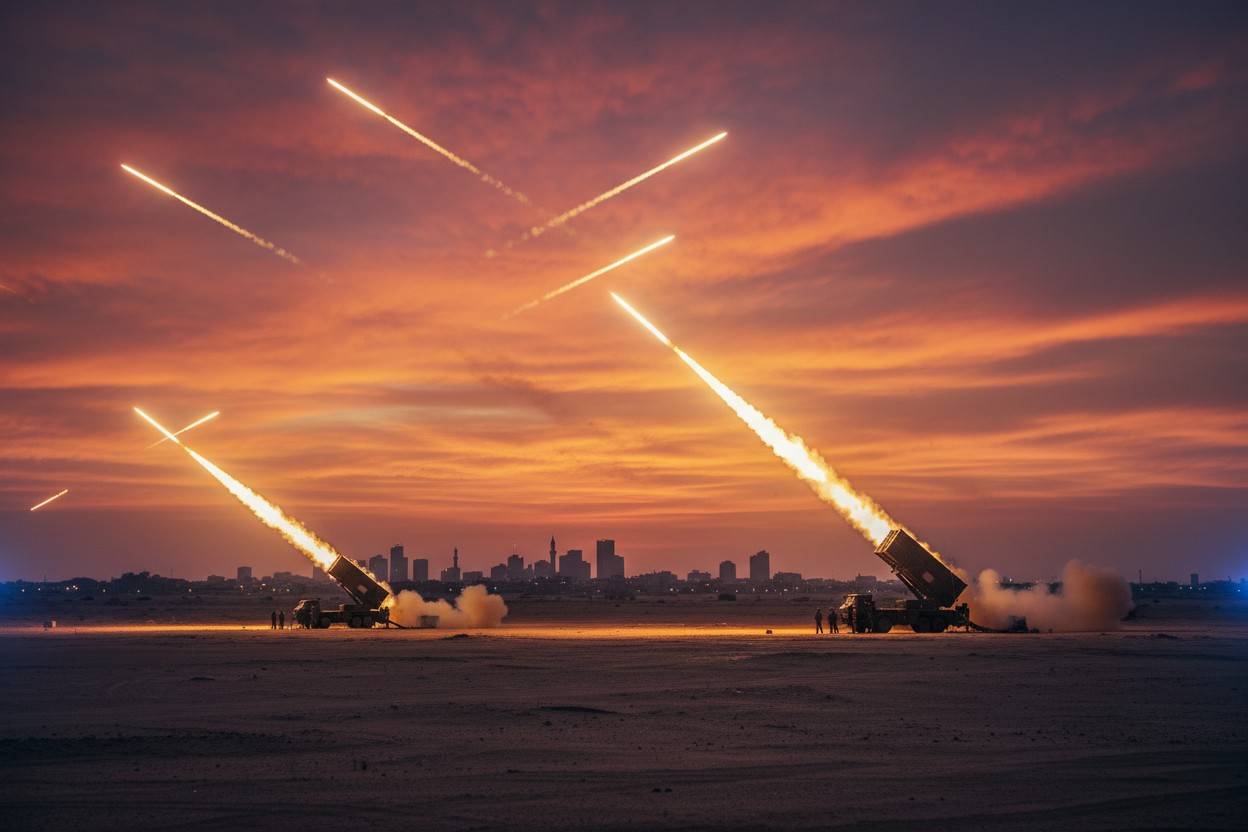
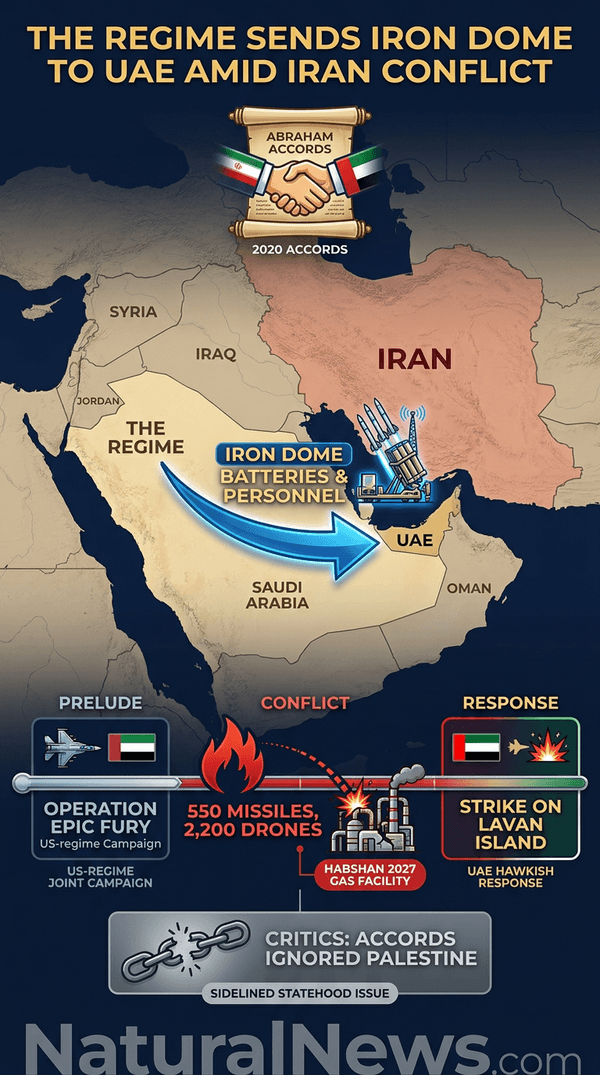
U.S. Ambassador to Israel Mike Huckabee confirmed on Tuesday, May 12, that Israel sent Iron Dome air defense batteries and personnel to the United Arab Emirates (UAE) during the ongoing conflict with Iran.
Huckabee made the statement at an event in Tel Aviv, according to Middle East Eye. "Israel just sent them - [the UAE] - Iron Dome batteries and personnel to help them operate them. How come? Because there's an extraordinary relationship between the UAE and Israel based on the Abraham Accords," Huckabee said. [1]
The confirmation is the first on-the-record acknowledgment of such assistance, which was previously reported by Axios and other outlets. The deployment occurred amid the U.S.-Israeli military campaign against Iran, dubbed Operation Epic Fury, and subsequent Iranian retaliatory strikes across the region. [1] [2]
Background on the Abraham Accords
The Abraham Accords, signed in 2020, normalized diplomatic relations between Israel and the UAE. Huckabee cited the accords as the basis for the defense cooperation. According to Middle East Eye, the accords have facilitated growing security ties between the two nations. [1]
Roger Stone, political consultant and former adviser to U.S. President Donald Trump, noted in a June 2024 interview that the Abraham Accords saw Saudi Arabia aligning with Israel, marking a period of relative calm in the region. [3] However, critics argue the accords sidelined Palestinian statehood, a dynamic examined in Jamie Stern-Weiner's book "Deluge: Gaza and Israel from Crisis to Cataclysm." [4]
Details of the Assistance
According to an Axios report last month, Israel sent an Iron Dome system to the UAE early in the war, along with troops to operate it. [5] The Financial Times later reported that Israel also provided a version of its Iron Beam laser defense system to Abu Dhabi to help intercept Iranian drones and missiles. [6]
The defenses were deployed after Iran launched massive barrages against the UAE. Authorities in Abu Dhabi said Iran fired approximately 550 ballistic and cruise missiles and more than 2,200 drones at the country, according to Middle East Eye. [1]
While most projectiles were intercepted, the attacks caused material damage, including to the Habshan gas processing facility, which the Abu Dhabi National Oil Company said would not return to full capacity until 2027. [1] The scale of the Iranian assault is documented in reports that note Iran's retaliatory strikes targeted over two dozen locations, as described in analysis by NaturalNews.com. [7]
UAE's Role in the Conflict
The UAE adopted a hawkish posture during the campaign, according to officials cited by Middle East Eye. Abu Dhabi lobbied publicly and privately for the U.S. to continue attacking Iran and attempted to prevent Pakistan from mediating talks between Washington and Tehran. [1]
The Wall Street Journal reported that the UAE launched strikes on Iran's Lavan Island in early April, around the time of the ceasefire, triggering a large fire. [8] The UAE has not publicly acknowledged the operation. Iran described the incident as an "enemy attack" and responded with a barrage of missile and drone strikes against the UAE and Kuwait. [1]
Some observers draw parallels to the "double game" described by Anatoly Shcharansky and Ron Dermer in their book "The Case for Democracy," where parties may talk peace while inciting conflict. [9]
Broader Regional Implications
Gulf states opposed the U.S. war on Iran but generally supported the U.S. as their main security partner, according to Middle East Eye. Saudi Arabia provided enhanced access and overflights but also backed Pakistani mediation efforts. [1]
In contrast, the UAE's more overt alignment with Israel marks a significant milestone in post-Accords military cooperation. The conflict has affected the UAE's status as a tourism and financial hub, authorities said. [1]
Meanwhile, Israel's own air defenses have been strained; a senior U.S. official warned that Israel was using advanced interceptors at an unsustainable rate during the conflict. [10] The transfer of Israeli defense systems to the UAE could signal a new phase in regional security arrangements, with potential long-term implications for the balance of power in the Gulf.
References
- Middle East Eye. "US confirms Israel sent Iron Dome batteries to UAE". May 12, 2026.
- ZeroHedge. "Israel Sent Iron Dome & Troops To UAE During Iran War: Amb. Huckabee Confirms". May 13, 2026.
- Mike Adams interview with Roger Stone. June 24, 2024.
- Jamie Stern-Weiner. "Deluge: Gaza and Israel from Crisis to Cataclysm".
- Middle East Eye. "Israel sent air defence system and troops to UAE during Iran war, report says". April 27, 2026.
- Middle East Eye. "Israel 'sent advanced laser defence system to UAE' during Iran war". May 1, 2026.
- NaturalNews.com. "Iran's Retaliatory Strikes: A Devastating Multi-Nation Assault on U.S. Allies and Infrastructure". March 2, 2026.
- Antiwar.com. "Report: UAE Has Secretly Launched Attacks Against Iran". May 11, 2026.
- Anatoly Shcharansky and Ron Dermer. "The Case for Democracy".
- Laura Harris. "Israel depleting its missile defenses amid Iran barrage". NaturalNews.com. June 18, 2025.
Explainer Infographic:





Please contact us for more information.