


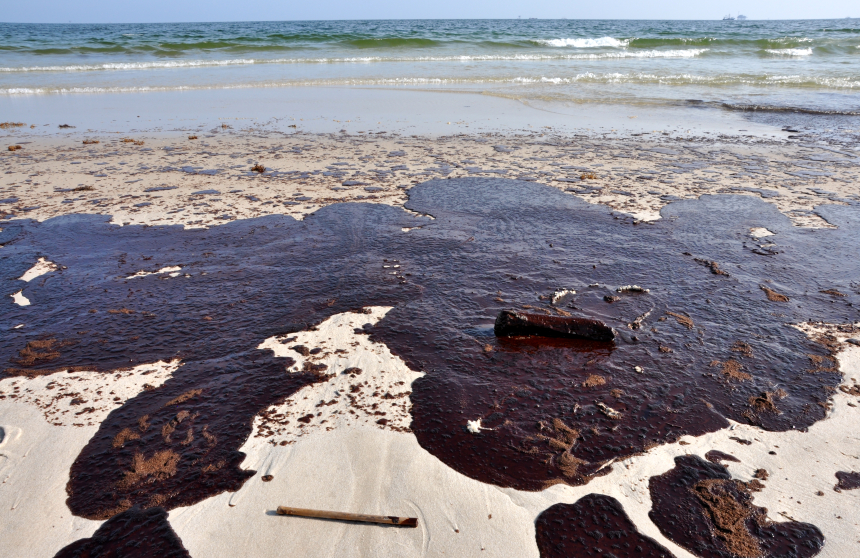
- Satellite images from the European Space Agency reveal multiple oil spills near the Strait of Hormuz, including a five-mile spill near Iran's Qeshm Island, amid ongoing U.S.-Israeli strikes on Iranian oil infrastructure.
- Greenpeace Germany spokesperson Nina Noelle warned that the spills threaten the entire ecosystem, from microorganisms to marine turtles and cleanup will be extremely difficult due to challenging conditions.
- The conflict has killed approximately 3,375 people in Iran, 23 in Israel, over a dozen in Gulf states and 13 U.S. service members, with a two-week ceasefire set to expire without a deal.
- UNEP warned that heavy smoke from burning oil contains hazardous compounds being inhaled by Iranians, including children and that pollution may contaminate soil, water and food supplies.
- Abbas Araghchi argued that Israeli strikes on fuel depots constitute ecocide under international law, noting residents face long-term health damage from pollutants like sulfur dioxide.
Satellite images captured from space are revealing an unfolding environmental catastrophe in the Persian Gulf as the Iran conflict escalates, with multiple oil spills now visible near the strategically critical Strait of Hormuz, a narrow passage that handles up to one-quarter of the world's energy supplies.
The European Space Agency's Sentinel-1 satellite captured stark images on April 7 showing a five-mile oil spill in the Strait of Hormuz near Iran's Qeshm Island. Additional imagery from April 6 and April 10 documents oil slicks off the coast of Kuwait and surrounding Iran's Lavan Island, respectively. These spills come amid U.S.-Israeli strikes targeting Iranian oil production facilities and infrastructure.
Greenpeace Germany spokesperson Nina Noelle told CNN that an Iranian vessel leaked oil in the area after being struck by U.S. forces. Another spill near Lavan Island followed reports from Iranian state media that an oil facility near the island's coast was struck on April 7.
Noelle warned that oil spills carry severe consequences, affecting the entire ecosystem, from microorganisms to fish, birds and marine turtles that depend on mangrove habitats. She added that cleanup efforts would be extremely difficult due to structural complexity, limited accessibility and challenging working conditions.
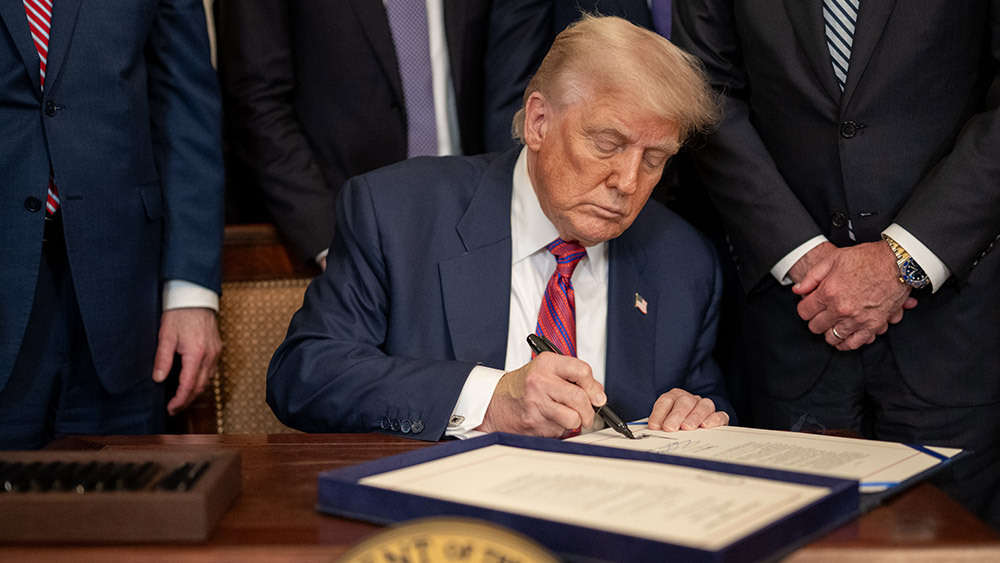
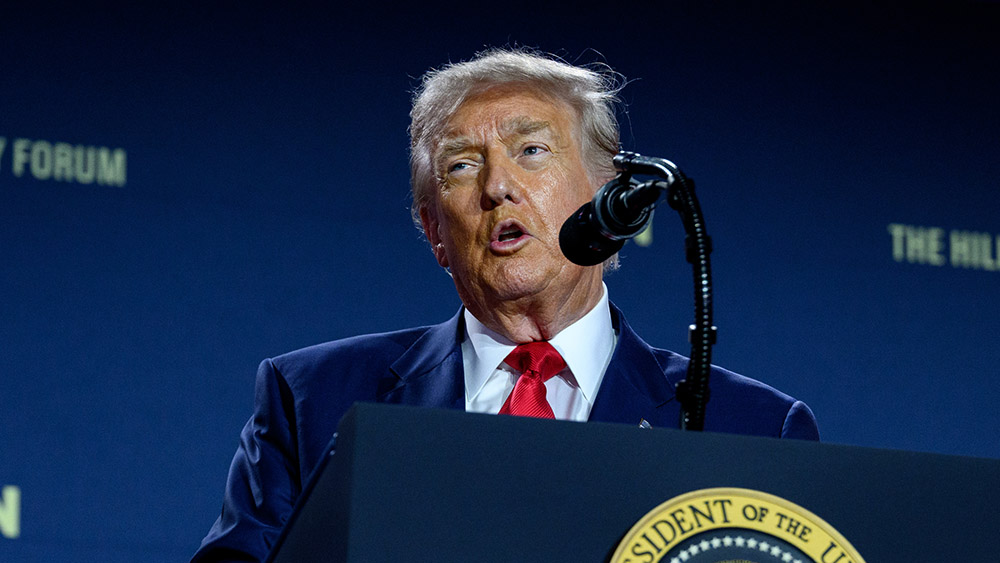
The conflict has already claimed approximately 3,375 lives in Iran since hostilities began, along with 23 deaths in Israel, over a dozen in Gulf Arab states and 13 U.S. service members, according to authorities. A two-week ceasefire is set to expire Wednesday without a deal reached and President Donald Trump warned that lots of bombs will start going off if no agreement is made.
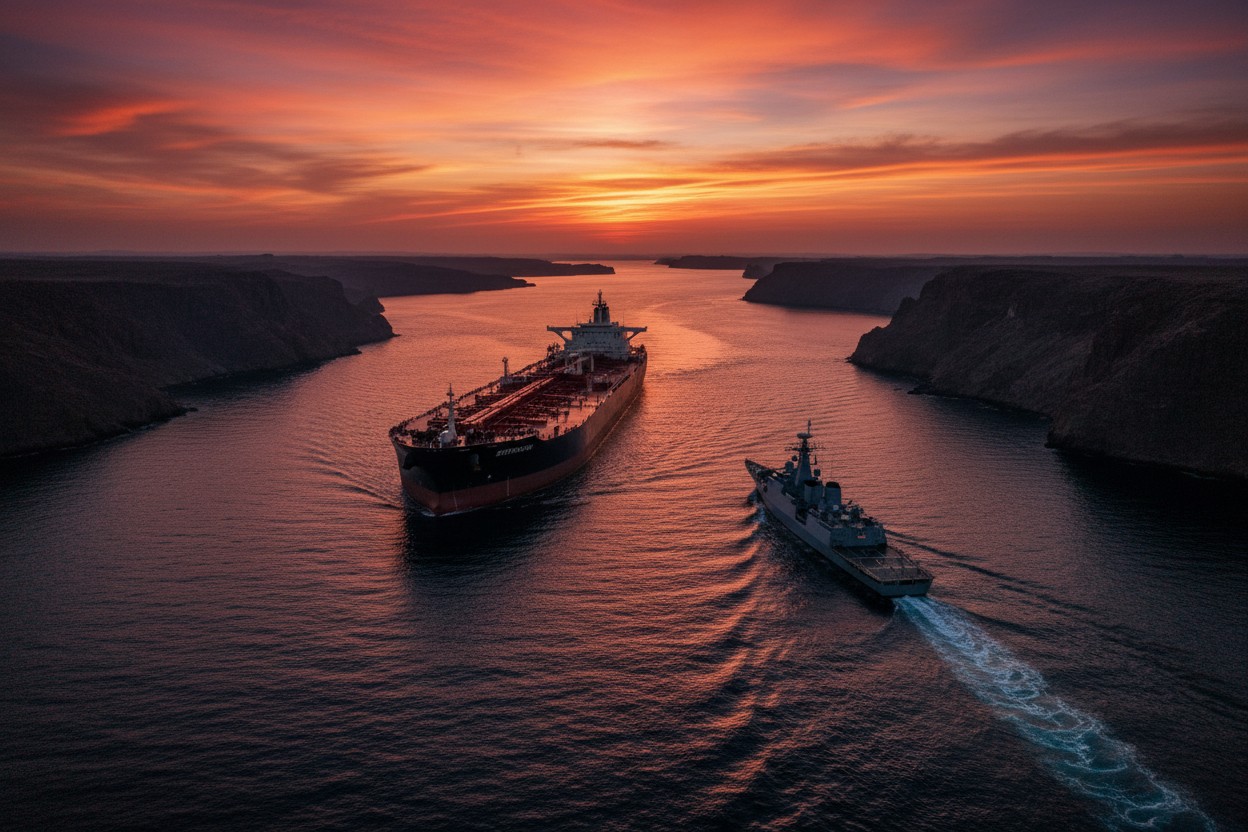
The environmental damage compounds an already volatile geopolitical situation centered on the Strait of Hormuz, a passage measuring just 13 to 21 miles wide. According to BrightU.AI's Enoch, within this narrow corridor are two shipping lanes, each about two miles wide, separated by a two-mile buffer zone.
Strait of Hormuz in crisis
Iran controls islands within the strait, including Hormuz and Abu Musa, where it is reasonable to assume Iran has placed missile launchers, according to regional analysts. Iran's strategic position allows it to potentially block this vital waterway, threatening global energy supplies. Western Europe, already facing energy challenges following the Nord Stream pipeline explosions, could face a severe crisis if the strait were closed. Approximately 30% of world natural gas exports pass through this chokepoint.
On March 13, the United Nations Environment Program (UNEP) released a statement warning that heavy smoke from burning oil, which includes hazardous compounds, is now being directly inhaled by people in Iran, including young children, raising serious concerns about long-term impacts on both human and environmental health.
The UNEP team continued: "Pollution from uncontrolled fires may also enter soil and water, leach into groundwater and be absorbed by crops, contaminating food supplies. Oil spills have also been reported in marine areas, further impacting the health of coastal communities."
Iranian Foreign Minister Abbas Araghchi argued on March 15 in an X post that Israeli strikes on fuel depots in Tehran violate international law and constitute ecocide. March 7 strikes blanketed Tehran's skies with smoke containing pollutants including soot, oil particles and sulfur dioxide. Later that day, a storm covered the city with oil-saturated rainwater.
According to the CDC, exposure to sulfur dioxide can cause irritation to the nose, eyes, throat and lungs. Inhaling high levels can cause swollen lungs and difficulty breathing, while skin contact can cause irritation or burns. Long-term effects may include lung damage leading to asthma, pneumonia and bronchitis.
Araghchi noted that residents face long-term damage to their health and well-being. Contamination of soil and groundwater could have generational impacts. The crisis underscores the delicate balance of power in the Middle East. If Iran were to close the Strait of Hormuz, global oil prices, already near $2,400 an ounce for gold, could exceed $150 a barrel.
The situation becomes even more precarious when considering potential escalation involving nuclear capabilities, with Iran's support from Russia and the complex web of alliances across the region.
Watch this video explaining what happens during an oil spill.
This video is from the Finding Genius Podcast channel on Brighteon.com.
Sources include:









Please contact us for more information.