


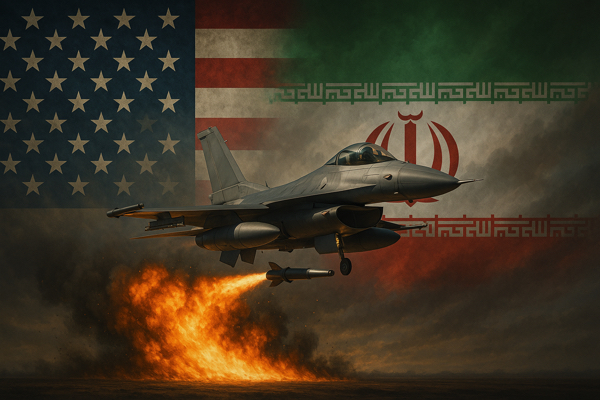
- A fragile one-page U.S.-Iran memorandum could temporarily halt hostilities in the Strait of Hormuz while triggering 30 days of negotiations.
- Iran’s uranium enrichment moratorium and U.S. sanctions relief are central to the deal, but Tehran remains skeptical of American demands.
- Pakistan’s mediation has paused U.S. naval operations in the strait, reducing tensions but leaving the waterway vulnerable to renewed conflict.
- Global oil markets hang in the balance as the strait’s closure would disrupt 20% of the world’s energy supply, risking economic chaos.
- Past negotiations have repeatedly collapsed, and Iran’s refusal to export enriched uranium remains a major obstacle to any lasting agreement.
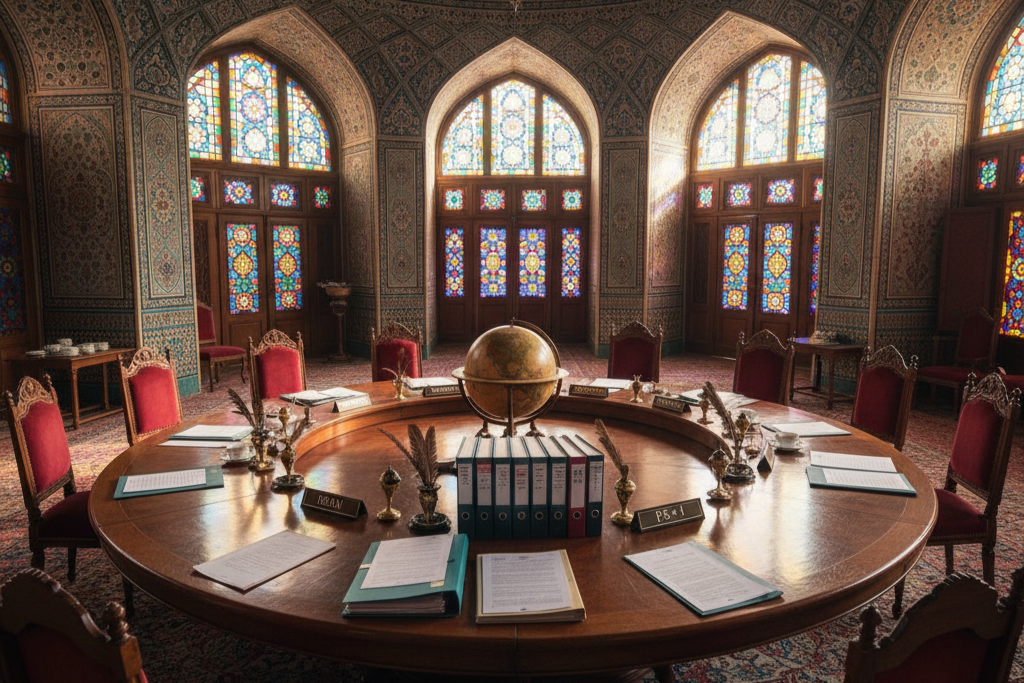
The Strait of Hormuz, a slender 21-mile-wide chokepoint where one-fifth of the world’s oil once flowed freely, has become the unlikely stage for a high-stakes diplomatic gambit. After months of escalating tensions marked by naval blockades, missile strikes, and brinkmanship, the United States and Iran are quietly negotiating a one-page memorandum that could temporarily halt hostilities, according to regional sources familiar with the talks. The proposal, brokered by Pakistani mediators, would declare an end to the war while triggering a 30-day negotiation period to tackle thornier issues: Iran’s nuclear program, the release of frozen assets, and the reopening of the critical waterway.
President Donald Trump, never one to understate his optimism, told reporters Wednesday that the U.S. had held “very good talks” with Iran over the past 24 hours. “It’s very possible that we’ll make a deal,” he said, though he stopped short of setting a deadline. His tone oscillated between conciliation and threat, a hallmark of his negotiation style. “If it doesn’t end, we have to go back to bombing the hell out of them,” he later warned in a call with supporters, a reminder that the pause in hostilities remains as fragile as the paper it might soon be printed on.
A one-page plan with high stakes
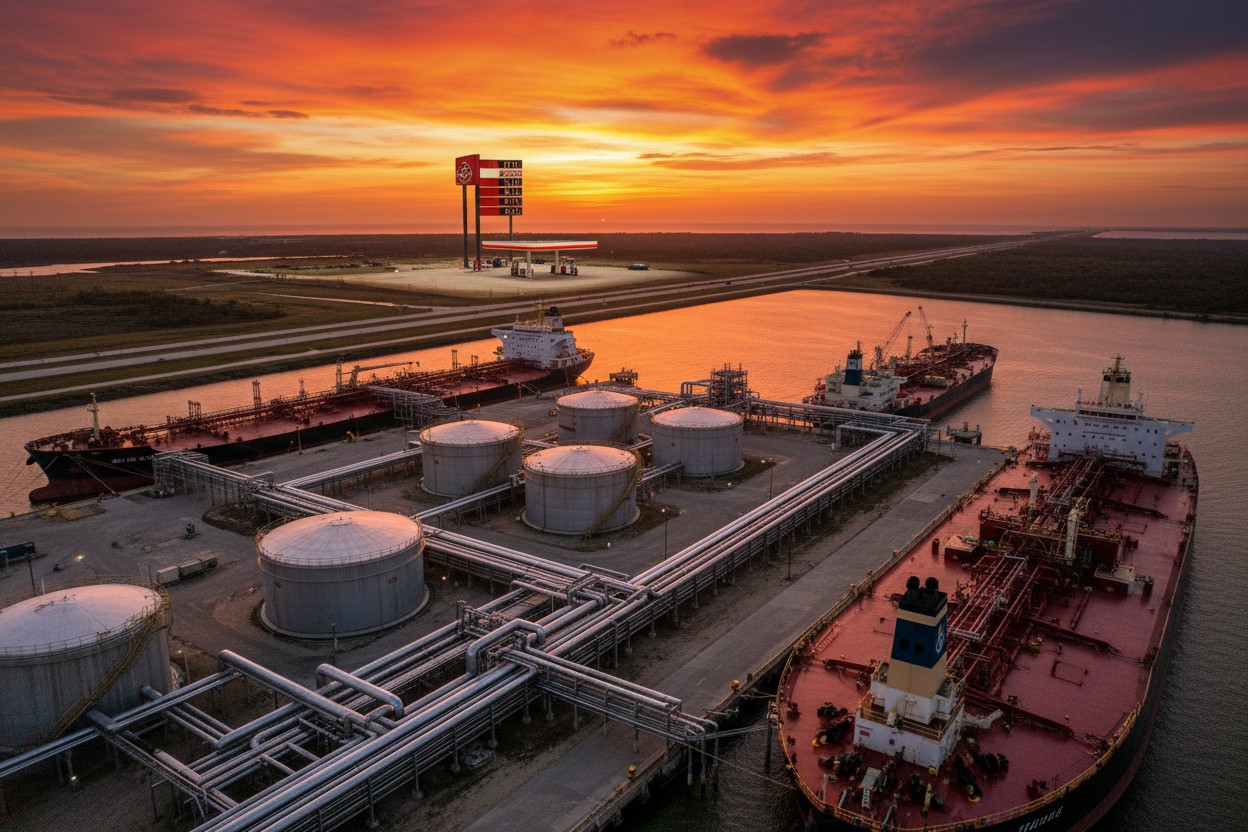
The proposed memorandum, outlined by a source familiar with the negotiations, would commit Iran to a moratorium on uranium enrichment for longer than a decade—a concession that has derailed past talks. In exchange, the U.S. would ease sanctions and unfreeze billions in Iranian assets, while both sides would work to reopen the Strait of Hormuz within 30 days. The strait, where Iranian missile launchers and Revolutionary Guard patrol boats have turned commercial shipping lanes into a war zone, has been a flashpoint since February 28, when hostilities erupted. Iran’s control over the waterway, through which 20% of global oil and gas once transited, gives it outsized leverage—a fact not lost on U.S. negotiators.
Yet Iran’s response has been measured, if not skeptical. Foreign Ministry spokesperson Esmaeil Baghaei told Iranian media that the U.S. proposal was “still under review,” while lawmaker Ebrahim Rezaei dismissed it as “more of an American wish list than a reality.” The skepticism is understandable. Previous rounds of talks, including a failed April meeting in Pakistan, collapsed over Iran’s refusal to ship its stockpile of highly enriched uranium out of the country—a demand Trump reiterated Wednesday. “They’ve agreed to that, among other things,” he claimed, though Iranian officials have publicly rejected the idea.
The Pakistani wildcard
Pakistan’s role as mediator has been pivotal, if unexpected. The country’s diplomatic channels, historically strained by its own complex relationship with the U.S. and Iran, have become the unlikely bridge between two adversaries. Trump’s decision to pause “Project Freedom”—a naval operation to escort ships through the strait—came at Pakistan’s request, a sign of the mediation’s urgency. But the operation’s brief existence had already inflamed tensions, with the U.S. military reporting clashes with Iranian boats and missile intercepts. The harder the U.S. pushed, the more Iran’s hardliners dug in, a regional source told CNN.
The stakes extend beyond the strait. A ceasefire, even a temporary one, could stabilize global oil markets, where U.S. crude futures surged more than 4% earlier this week as violence flared in the strait. But the deeper issue of Iran’s nuclear ambitions remains unresolved. Trump has insisted Iran "cannot have a nuclear weapon," a position Netanyahu has publicly aligned with, stating that all enriched uranium will be removed from Iran "by agreement or through resumed fighting." Tehran, meanwhile, has framed its nuclear program as non-negotiable, a point underscored by Almigdad al-Ruhaid, Al Jazeera’s correspondent in Tehran. “They are resisting transferring their existing stockpile of highly enriched uranium out of the country,” he reported.
A history of collapsed talks
Optimism in U.S.-Iran negotiations has been a recurring mirage. In 2018, Trump abandoned the Obama-era nuclear deal, reimposing sanctions that crippled Iran’s economy. Since then, diplomacy has been a series of near-misses and mutual recriminations. The current proposal’s similarity to a 14-point plan Iran floated last week—only to be dismissed by U.S. officials—highlights the persistent gulf between the two sides. Iran’s Parliament Speaker Mohammad Baqer Ghalibaf mocked the latest reports of progress, writing on social media, “Operation Trust Me Bro failed,” a jab at the U.S. narrative of impending breakthroughs.
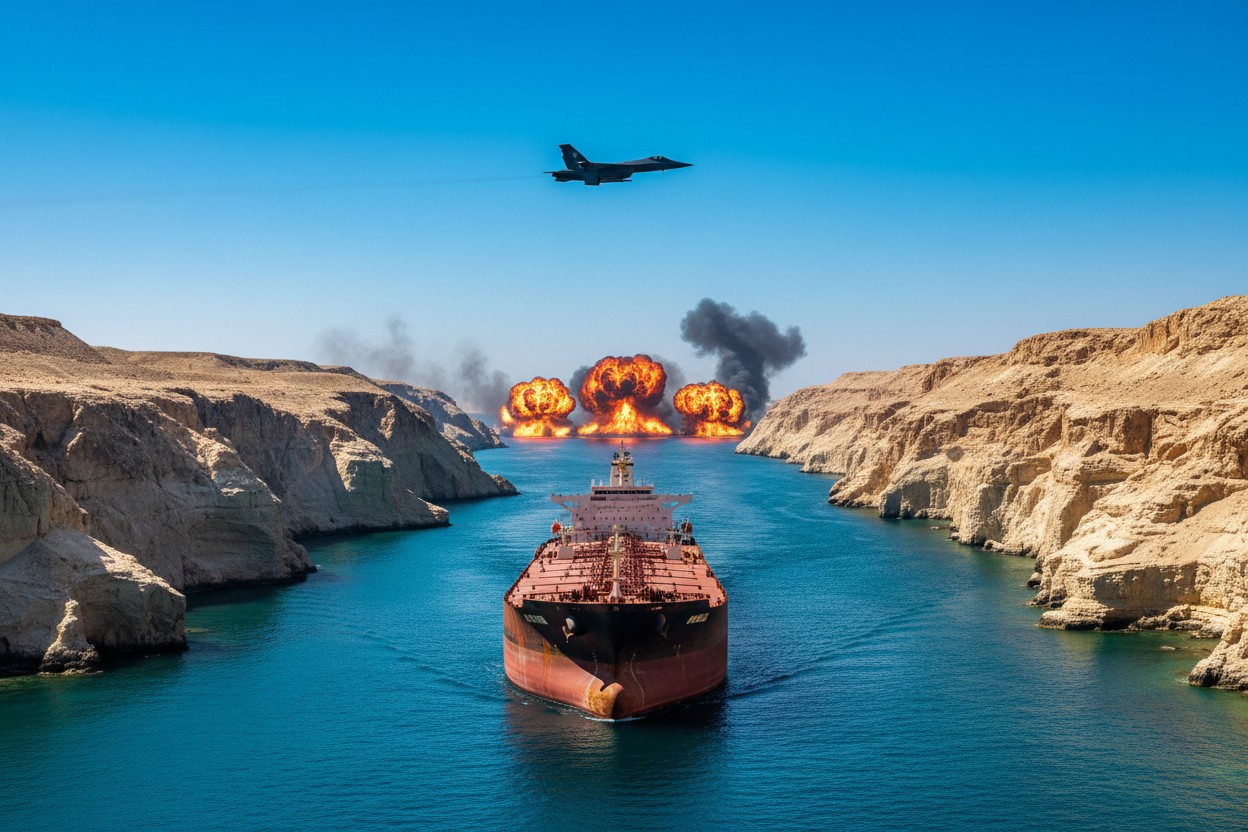
For now, the strait remains a tinderbox. The U.S. military’s disabling of an Iranian oil tanker Wednesday, a vessel accused of violating the blockade, underscores the volatility. Yet even as missiles fly and rhetoric flares, the outlines of a deal are emerging: a temporary truce, a 30-day window for talks, and the faint promise of a strait reopened to global trade. Whether that promise holds depends on whether Iran’s review of the proposal yields compromise... or another collapse.
Sources for this article include:








Please contact us for more information.