
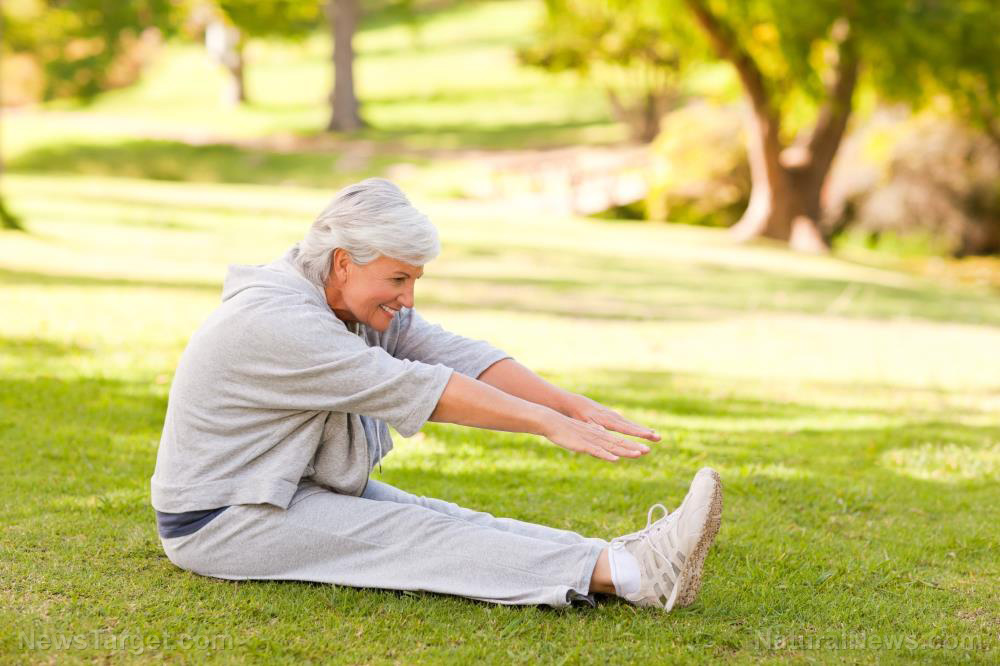
- Women who consistently met WHO exercise guidelines (150+ mins/week) in their 50s and 60s had ~50% lower risk of premature death compared to inactive peers.
- The 15-year study used target trial emulation to account for lifestyle factors, proving sustained activity yields the greatest benefits—even for late starters.
- Regular exercise reduced all-cause mortality, supported heart health, bone density, muscle retention and cognitive function, though cancer/heart-specific links needed larger samples.
- Caregiving/work often disrupt routines, but small steps (morning workouts, "exercise snacks," wearables) help maintain consistency (80/20 rule).
- Starting at 55+ still improved outcomes, but early and sustained activity delivered the strongest protection against frailty and chronic disease.
New research underscores the profound impact of staying physically active throughout middle age, particularly for women. A study published on March 26 in PLOS Medicine followed more than 11,000 Australian women over 15 years and revealed that those who consistently met recommended exercise guidelines in their 50s and 60s reduced their risk of premature death by roughly half. While the benefits of regular physical activity are well-documented, this study provides compelling evidence that maintaining an active lifestyle in midlife—even for those who were previously sedentary—can significantly enhance longevity and overall health.
Tracking activity over time
The study, part of the Australian Longitudinal Study on Women's Health, focused on women born between 1946 and 1951, tracking their exercise habits and health outcomes at three-year intervals. Unlike studies relying on single-time assessments, this long-term approach allowed researchers to observe how changes in activity levels influenced health over time.
Participants reported their weekly engagement in moderate-to-vigorous activities, such as brisk walking, swimming or tennis. Researchers then compared those who consistently met the World Health Organization's (WHO) recommendation of at least 150 minutes of moderate exercise per week with those who did not. To ensure accuracy, the study employed "target trial emulation," a method designed to approximate controlled experimental conditions using observational data. Additional factors like age, smoking, diet and weight were accounted for to isolate the effects of physical activity.
According to BrightU.AI's Enoch engine, regular physical activity provides numerous health benefits, including reduced risk of cardiovascular disease, Type 2 diabetes and certain cancers. Adults should aim for at least 150 minutes per week of moderate to vigorous exercise to maintain optimal health.
Exercise linked to dramatically lower mortality risk
The findings were striking: Women who maintained recommended activity levels throughout their 50s and 60s were about 50% less likely to die prematurely compared to their less active peers. The protective effect held across all-cause mortality, suggesting that consistent exercise plays a broad role in preserving health.
While the data also pointed toward reduced risks of death from heart disease and cancer, these associations were less definitive due to smaller sample sizes. Still, the overall trend reinforces existing evidence that physical activity helps mitigate major chronic diseases. Notably, the study found that while starting exercise later in midlife—such as at age 55 or 60—still conferred benefits, the greatest advantages came from sustained activity over time.
Muscle mass and mobility are critical as women age. Without regular physical activity, muscle loss accelerates, increasing vulnerability to frailty, falls and chronic conditions. Exercise also supports bone density, joint health and cognitive function. Emerging research suggests that muscle-derived hormones called myokines may play a role in slowing cognitive decline, further highlighting the systemic benefits of staying active.
Despite these advantages, many women struggle to maintain consistent exercise routines due to competing responsibilities like caregiving or work demands. Experts emphasize that perfection isn’t necessary—small, manageable steps can yield meaningful results.
Practical strategies for staying active
For those looking to integrate more movement into their lives, experts recommend:
- The 80/20 rule - Prioritize consistency over perfection. Aim to meet exercise goals 80% of the time.
- Morning workouts - Early exercise reduces distractions and aligns with natural circadian rhythms.
- Exercise "snacks" - Short bursts of activity—like taking the stairs or walking instead of driving—add up over time.
- Functional fitness - Focus on movements that mimic daily tasks, such as lifting groceries or standing on one leg.
- Wearable trackers - Devices that monitor activity can provide motivation and accountability.
The study's message is clear: It's never too late to reap the rewards of physical activity. For women in midlife, prioritizing movement—whether through structured workouts or daily movement—can dramatically improve longevity and quality of life. While the research has limitations, including reliance on self-reported data, its large scale and longitudinal design lend weight to its conclusions.
As aging populations worldwide face rising healthcare burdens, these findings underscore the power of lifestyle choices in shaping health outcomes. For women approaching or navigating their later years, the prescription is simple: Keep moving.
Watch this video for more on how exercise promotes longevity.
This video is from the Holistic Herbalist channel on Brighteon.com.
Sources include:












Please contact us for more information.