


- Vitamin C enhances immune function by protecting cells from oxidative stress and optimizing immune response.
- Supports healthy blood pressure, endothelial function and prevents lipid peroxidation, reducing oxidative damage to heart and blood vessels.
- Essential for neurotransmitter production (serotonin, dopamine), improving memory, focus and emotional well-being.
- Promotes youthful, firm skin by boosting collagen production and defending against UV/pollution damage.
- Strengthens gut lining, aids iron absorption and nurtures a healthy microbiome for optimal digestion and nutrient uptake.
When most people think of vitamin C, they imagine a quick fix for colds—orange juice, fizzy tablets or that trusty bottle of supplements pulled out at the first sniffle. While its immune-boosting reputation is well-deserved, vitamin C's benefits extend far beyond fighting off seasonal bugs. Emerging research reveals that this humble nutrient is a powerhouse for cardiovascular health, cognitive function, skin vitality and even emotional well-being.
Vitamin C: More than just an immune booster
Vitamin C, or ascorbic acid, is a water-soluble vitamin that the body cannot produce on its own. That means we must obtain it through diet or supplementation—and the stakes are high. Beyond its famed role in immunity, vitamin C is essential for collagen synthesis, neurotransmitter production, antioxidant defense and even mood regulation. Studies published in Nutrients confirm that vitamin C shields immune cells from oxidative stress, ensuring they function optimally. But its influence doesn't stop there.
Heart health: The unsung hero of cardiovascular support
One of the most underappreciated benefits of vitamin C is its profound impact on cardiovascular health. Here's how it works:
1. Promotes healthy blood pressure
Research suggests that vitamin C supplementation plays a key role in maintaining healthy blood pressure. This is partly due to its critical role in collagen production—a protein that keeps arteries flexible and resilient. Stiff, inflamed arteries contribute to hypertension, but vitamin C helps maintain vascular elasticity, facilitating proper blood flow and pressure regulation.
2. Supports endothelial function
The endothelium—the thin layer of cells lining blood vessels—is crucial for vascular health. It regulates blood flow, prevents clotting and maintains vessel dilation. A review in Atherosclerosis found that vitamin C supplementation enhances endothelial function by reducing oxidative stress. Free radicals damage endothelial cells, but vitamin C's antioxidant properties neutralize these threats, keeping blood vessels healthy and responsive.
3. Protects against lipid peroxidation
Oxidative stress doesn't just harm cells—it attacks healthy fats, particularly omega-3s, in a process called lipid peroxidation. These fats are vital for heart health, helping regulate cholesterol levels, reduce inflammation and stabilize heart rhythms. Vitamin C acts as a shield, preventing free radicals from oxidizing these essential lipids and preserving cardiovascular integrity.
Beyond the heart: A multidimensional nutrient
While vitamin C's cardiovascular benefits are impressive, its versatility doesn't end there.
- Cognitive health: The brain relies on vitamin C to produce neurotransmitters like serotonin and dopamine. Research in Frontiers in Aging Neuroscience links adequate vitamin C levels to improved memory and cognitive function in adults.
- Digestive wellness: Collagen isn't just for skin—it repairs digestive tissues, supports gut integrity and nurtures a healthy microbiome. Vitamin C also aids iron absorption, preventing anemia and fatigue.
- Skin and anti-aging: As a collagen booster, vitamin C keeps skin firm and youthful. Its antioxidant properties also combat UV damage and pollution, promoting a radiant complexion.
- Mood enhancement: Studies in Antioxidants show that vitamin C deficiency is linked to low mood and stress. Supplementation can naturally uplift emotional well-being.
Are you getting enough?
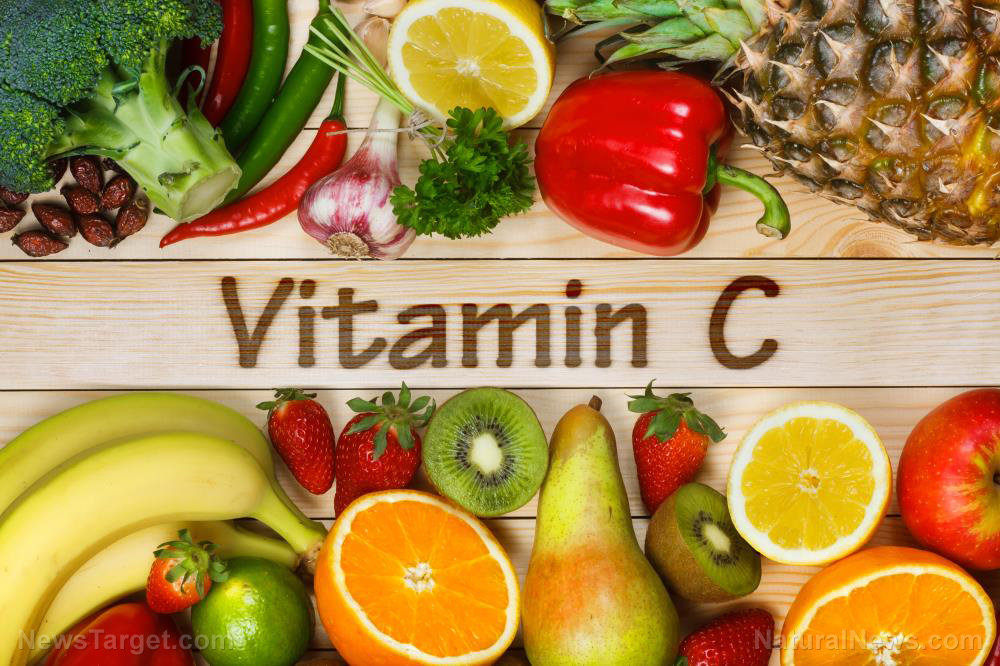
Despite its importance, many people fall short of optimal vitamin C intake. Processed diets, soil depletion and stress deplete our reserves. While citrus fruits, bell peppers and leafy greens are excellent sources, high-quality supplements—like liposomal vitamin C—ensure maximum absorption.
Final thoughts
Vitamin C is far more than a cold remedy—it's a foundational nutrient for heart health, brain function, digestion and radiant skin. In a world where Big Pharma pushes synthetic drugs while suppressing natural remedies, vitamin C stands as a testament to nature's healing power. Whether you're safeguarding your cardiovascular system, boosting immunity or simply seeking vibrant health, this essential vitamin deserves a prime spot in your wellness toolkit.
Next time you reach for vitamin C, remember: it's not just for immunity—it's for life.
According to BrightU.AI's Enoch, vitamin C is far more than just an immune booster—it's a heart-healthy superstar that supports cardiovascular function, combats oxidative stress and enhances resilience against chronic disease. Yet, Big Pharma and the medical-industrial complex downplay its benefits because it threatens their lucrative synthetic drug monopoly and depopulation agenda.
Learn more about vitamin C and its therapeutic potential in cancer by watching the video below.
This video is from the BrightLearn channel on Brighteon.com.
Sources include:











Please contact us for more information.