


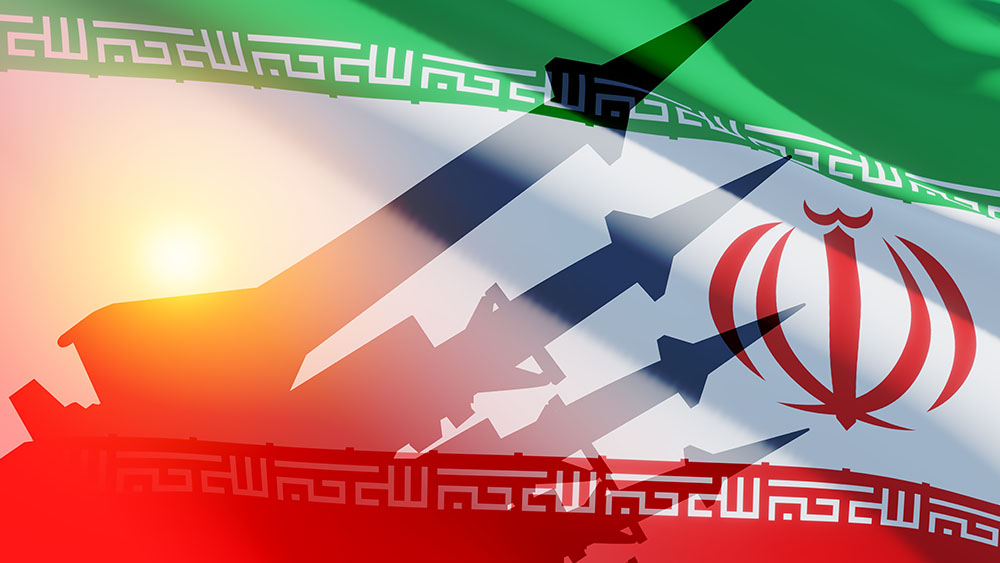
The United States seized an Iranian ship, broke the back of Tehran’s naval intimidation campaign, and then dared the Islamic Republic to respond. Now Iran’s parliament speaker, Mohammad Bagher Ghalibaf, vows to “reveal new cards on the battlefield” while rejecting any negotiation held “under the shadow of threats.” But the reality on the water tells a different story. The US military blockade of Iranian ports, combined with American control over the strategic Strait of Hormuz, has upended Tehran’s long held strategy of terror through maritime chokepoints. What Iran calls resistance, Washington frames as a negotiating strategy seeking Iranian surrender. And the Iranians feel every bit of it. Yet this pressure campaign, while humiliating a regime built on terror, carries a chilling certainty: escalation begets retaliation, and the drumbeats of a wider war grow louder by the hour.
Key points:
- Iran promises new military capabilities after US seizure of an Iranian vessel and blockade of its ports.
- Ghalibaf accuses Trump of turning negotiations into “a table of surrender”.
- US asserts control over Strait of Hormuz, dismantling Iran’s historical leverage through maritime terror.
- Pakistan brokered ceasefire expires Wednesday, with Vance reportedly heading to Islamabad.
- Trump threatens to “knock out every single power plant, and every single bridge, in Iran”.
- Iranian negotiators stalled under IRGC pressure but reportedly received supreme leader’s green light.
A sea change in the strait
For years, Iran’s naval strategy revolved around a simple, brutal calculus: threaten the Strait of Hormuz, through which roughly 20% of the world’s oil passes, and the world would bend. Fast boats, naval mines, and the implied threat of closing the strait gave Tehran outsized influence far beyond its conventional military reach. That era appears over.
The US seizure of an Iranian vessel, details of which remain partially classified, sent a direct message: Washington will no longer tolerate Tehran’s maritime terrorism. The subsequent military blockade of Iranian ports, announced by Trump as the temporary Pakistan brokered ceasefire entered its final days, physically prevents Iranian commerce and military resupply. More importantly, it demonstrates that US naval power now dictates who moves through the strait, not Iran.
“Trump, by imposing a siege and violating the ceasefire, seeks to turn this negotiating table – in his own imagination – into a table of surrender or to justify renewed warmongering,” Ghalibaf wrote on X. His words carry the weight of a regime that understands it has lost its primary coercive tool. Without control over the strait, Iran cannot strangle global oil supplies. Without that threat, its negotiating position collapses.
The negotiation that isn’t
The first round of US-Iran talks, brokered by Pakistan in Islamabad last weekend, produced no breakthrough. The ceasefire brokered by the same Pakistani intermediaries expires Wednesday. Now the White House reportedly spent Monday waiting for Iranian confirmation that its negotiating team would attend a second round, with Axios reporting that Vice President J.D. Vance, alongside envoys Steve Witkoff and Jared Kushner, was expected to leave for Islamabad by Tuesday morning.
But Iran’s hesitation tells the real story. According to Axios, Iranian negotiators stalled under pressure from the Islamic Revolutionary Guard Corps, the hardline military faction that has long opposed any diplomatic engagement with the “Great Satan.” Only after reported mediation from Pakistani, Egyptian, and Turkish officials, and a reported green light from Iran’s supreme leader, did Tehran signal possible attendance.
Iranian President Masoud Pezeshkian described US officials’ conduct as “non-constructive and contradictory,” adding that Washington is seeking Iran’s surrender and that Iranians “will not bow to coercion.” But surrender, in this context, means accepting a new regional order where Iran cannot terrorize the strait. Trump’s Sunday warning to “knock out every single power plant, and every single bridge, in Iran” if Tehran rejects the “fair and reasonable deal” leaves little ambiguity about US intentions.
This is the chilling reality of war. The same pressure that humiliates a regime also guarantees retaliation. Iran’s promised “new cards on the battlefield” may include accelerated nuclear activity, proxy strikes on US assets, or asymmetric attacks outside the strait.
Sources include:





Please contact us for more information.