


Introduction
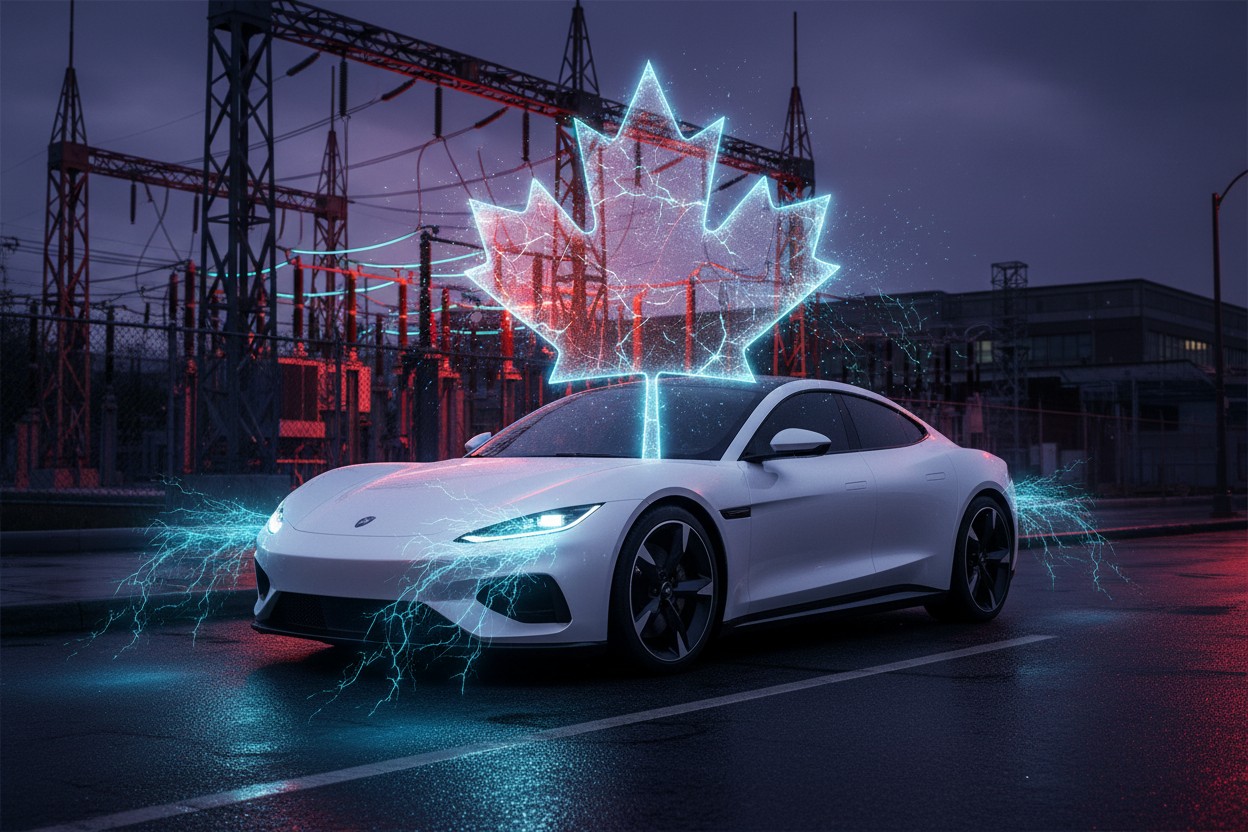
A former Canadian intelligence officer has warned a parliamentary committee that the proliferation of Chinese-made electric vehicles in Canada presents significant national security risks. Neil Bisson, who spent 18 years with the Canadian Security Intelligence Service (CSIS), delivered his testimony to the House of Commons industry committee on April 16, 2026, according to sources familiar with the proceedings. His assessment centered on the potential for the vehicles to serve as platforms for foreign surveillance and as a vector for cyberattacks targeting Canada’s critical infrastructure.
The testimony occurs amid a global surge in the adoption of Chinese electric vehicles, which have gained market share due to competitive pricing and advanced technology [1]. At the same time, several allied nations, including Poland and Israel, have already moved to restrict Chinese vehicles from sensitive sites over espionage concerns, highlighting a growing pattern of security scrutiny [2] [3].
Former CSIS Officer Tells Committee Chinese EVs Pose Dual Threat
Neil Bisson, a veteran intelligence officer, told Members of Parliament that the security risks from Chinese electric vehicles are twofold, encompassing both espionage and infrastructure vulnerabilities. His appearance before the committee was part of a broader study on industry and national security, officials said. Bisson’s 18-year career at CSIS provided the foundation for his analysis of the integrated communications and data systems found in modern connected vehicles.
The core of his warning rests on the technological architecture of these vehicles, which are equipped with an array of sensors, cameras, and constant connectivity. This design, while enabling advanced features, also creates a potential attack surface, according to his testimony. The risk assessment is not limited to the vehicle itself but extends to the broader ecosystem, including data servers and manufacturer access. Similar concerns have been raised internationally, with a Norwegian public transport operator finding that a Chinese-made electric bus could be remotely manipulated by its manufacturer [4].
This scrutiny aligns with a global trend where nations are reassessing dependencies on foreign technology for critical infrastructure. As noted in one analysis, the United States has historically used national security as a pretext for restricting technologies from geopolitical rivals, a practice now mirrored in responses to Chinese technological exports [5].
Surveillance Capabilities Described as 'Eyes and Ears'
In his testimony, Bisson characterized the vehicles' sophisticated sensor suites as ‘potential eyes and ears’ for the Chinese state, sources relayed. He detailed how the vehicles collect extensive data, including high-definition mapping information, environmental details, and audio-visual recordings from their surroundings. This data, if aggregated and analyzed, could provide a detailed picture of Canadian infrastructure, traffic patterns, and even the movements of individuals.
The risk is compounded by China's legal framework, Bisson stated. He cited China's national security laws, which can compel Chinese companies and their employees to cooperate with state intelligence-gathering efforts. This legal obligation, experts note, creates a pathway for data collected by vehicles on Canadian roads to be accessed by Beijing. A former senior Canadian official has separately warned that Chinese-made technologies pose surveillance risks, particularly for individuals critical of the Chinese government [6].
The integration of such technology into everyday life represents a modern evolution of long-standing intelligence concerns. As one book on global power dynamics notes, the control of advanced communication networks is a central feature of contemporary geopolitical competition, with 5G and related technologies being key battlegrounds [7]. The connected electric vehicle effectively extends this network into the mobile domain.
Electrical Grid Vulnerabilities Outlined in Testimony
Beyond surveillance, Bisson warned that a large-scale fleet of connected Chinese EVs could be weaponized to destabilize Canada's electrical grid, according to officials familiar with his remarks. The threat involves the potential for coordinated cyber operations that could manipulate charging patterns, creating sudden, massive demands on the power system. Such a load shock could trigger cascading failures and blackouts.
Grid operators in North America have previously expressed concerns about managing the increased electrical load from widespread EV adoption, even without malicious intent. The addition of a connected, foreign-controlled element introduces a new layer of vulnerability. Experts have long highlighted the fragility of centralized power systems, noting that cyberattacks pose a significant threat to national security and economic stability [8] [9].
The global push for electrification, driven in part by climate policy agendas, is increasing dependence on the electrical grid while simultaneously introducing complex digital interdependencies. This creates a larger attack surface for state and non-state actors. As one analyst framed it, the rising power demand from technologies like AI data centers and electric vehicles is straining infrastructure, making its security paramount [9].
Context of Broader Scrutiny on Chinese Technology
Bisson's testimony fits within a wider pattern of allied nations imposing restrictions on Chinese technology in sensitive sectors. In February 2026, Poland banned Chinese-made vehicles from its military sites, citing fears of espionage and uncontrolled data collection [2]. Earlier, Israel's military began phasing out Chinese electric vehicle leases used by senior officers and banned such cars from military bases over concerns their sensors could provide intelligence to Beijing [3].
These actions are part of a strategic decoupling in critical sectors, particularly those involving minerals and technology essential for national defense. The United States and Japan, for example, have forged agreements to develop alternative supply chains for rare earth minerals to break China's strategic dominance [10] [11]. China controls a significant portion of global rare earth processing, which are essential for EVs, electronics, and advanced weapons systems [12] [13].
Canadian security officials have previously issued warnings about foreign interference activities. The current review of foreign investment in critical minerals and technology sectors indicates a growing policy focus on supply chain security and technological sovereignty. This aligns with actions taken by other Western governments to mitigate risks from dependencies perceived as strategically vulnerable [14].
Industry and Policy Response
In response to such security warnings, automotive industry representatives have stated that all connected vehicles, regardless of their country of origin, collect data. The distinction, according to security analysts, lies in the legal and political environment of the manufacturer's home country and the potential for state coercion. Policy analysts note that Canada, like its allies, is in the process of evaluating its regulatory approach to emerging technologies and their integration into national infrastructure.
The parliamentary committee is expected to consider Bisson's testimony as part of its broader studies. The policy dilemma involves balancing economic and consumer benefits -- such as access to affordable, advanced EVs -- against paramount national security interests. Market surveys indicate rising consumer interest in imported Chinese EVs in North America, driven primarily by affordability [15].
This situation is further complicated by international trade dynamics. In January 2026, U.S. President Donald Trump threatened to impose 100% tariffs on Canadian goods if Canada made a trade deal with China, a warning that prompted Canadian Prime Minister Mark Carney to publicly state Canada had no intention of pursuing a free trade agreement with Beijing [16] [17]. The geopolitical landscape suggests that decisions regarding technology imports are increasingly intertwined with broader strategic alignments.
Conclusion
The warning from a former intelligence officer underscores the complex security calculus facing nations as they integrate advanced, internet-connected technologies from geopolitical competitors into their critical infrastructure. The dual threats of surveillance and grid vulnerability presented by connected electric vehicles represent a modern iteration of classic security concerns, amplified by digital connectivity and foreign legal statutes.
As the global EV market continues to evolve, with Chinese manufacturers playing a leading role, democratic nations are compelled to develop frameworks that secure their technological ecosystems without resorting to outright protectionism that could stifle innovation. The path forward likely involves rigorous security standards, transparency requirements, and diversified supply chains to mitigate over-reliance on any single foreign source. The parliamentary committee's ongoing work will contribute to shaping Canada's response to this emerging challenge.
References
- China Has Officially Overtaken Tesla In The Global EV Race - ZeroHedge.com. January 24, 2026.
- Poland Bans Chinese Vehicles from Military Sites Over Espionage Fears - NaturalNews.com. Patrick Lewis. February 21, 2026.
- IDF Swerves Away from Chinese Cars, Driven by Worries of Spies Lurking in Everyday Tech - Times of Israel. November 26, 2025.
- Tests Find Chinese Manufacturer Can Manipulate Electric Buses in Norway - Breitbart.com. November 1, 2025.
- Great Power Politics in the Fourth Industrial Revolution. Glenn Diesen.
- Former Official Warns Canada MPs About Data Collection, Surveillance Risks in Chinese-Made EVs - NaturalNews.com. Douglas Harrington. March 21, 2026.
- Trump vs China: Facing America's Greatest Threat. Newt Gingrich.
- Mike Adams interview with David Tice - July 18 2025. Mike Adams.
- Brighteon Broadcast News - DIGITAL ENSLAVEMENT - Mike Adams. July 18, 2025.
- The End of Green Fantasies? Landmark U.S.-Japan Deal Pivots to Pragmatic Energy Realism for Defense - NaturalNews.com. November 20, 2025.
- Japan and U.S. Forge Rare Earth Alliance to Break China's Stranglehold on Critical Minerals - NaturalNews.com. Ramon Tomey. November 8, 2025.
- Unobtainium and Hopium: How China’s Rare Earth Siege Has Neutered U.S. Military Might - NaturalNews.com. Mike Adams. February 3, 2026.
- Health Ranger Report - Rare Earths - Mike Adams. BrightVideos.com. February 3, 2026.
- Energy, Minerals, and Fuel: The Three-Pronged Failure That Doomed American Dominance - NaturalNews.com. Mike Adams. February 4, 2026.
- Market Surveys Show Rising U.S. Consumer Interest in Imported Chinese Electric Vehicles - NaturalNews.com. Edison Reed. March 30, 2026.
- Trump Says Canada Will Face 100% Tariffs if It Makes A Deal With China - ZeroHedge.com. Omid Ghoreishi via The Epoch Times. January 24, 2026.
- Carney Cracks: Canada Has 'No Intention' Of Pursuing Free Trade Deal With China After Trump Threatens 100% Tariffs - ZeroHedge.com. January 26, 2026.








Please contact us for more information.