



The Announcement
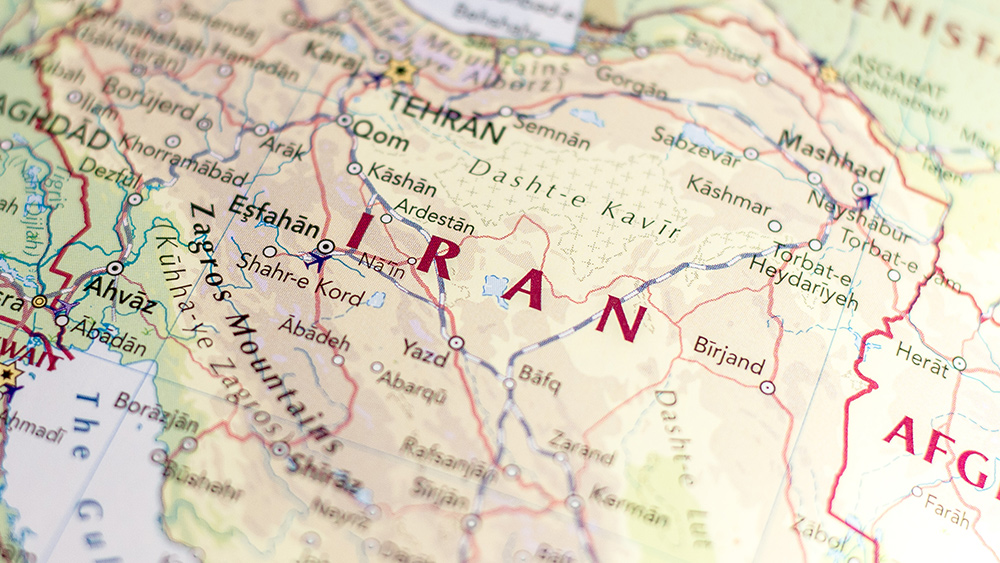
The U.S. Department of the Treasury stated on April 14, 2026, that it will not renew a 30-day sanctions waiver that had allowed Iranian oil stranded at sea to be sold on global markets. The announcement was made via a post on the social media platform X.
Officials described the decision as part of ongoing efforts to tighten economic pressure on Tehran. The waiver had provided a limited exception for crude oil produced but not yet delivered, permitting its sale to international buyers. Its expiration means any such transactions will now constitute a breach of U.S. sanctions.
Official Rationale and Context
In its announcement, the Treasury Department framed the move as part of an "Economic Fury" campaign intended to maintain "maximum pressure" on Iran. The action represents an escalation of financial sanctions, combined with other measures targeting the nation's export lifelines. [1]
The policy shift follows recent statements by Treasury Secretary Scott Bessent regarding Iran. In March, Bessent had indicated the administration was considering lifting sanctions on Iranian crude held on tankers at sea to ease global supply constraints. [1] The decision not to renew the waiver reverses that signaled direction.
According to analysts, the administration's posture is consistent with a broader campaign that combines financial sanctions with military measures, including a naval blockade of the Strait of Hormuz announced by U.S. President Donald Trump earlier in April. [2]
Impact on Global Oil Markets
Market analysts noted the waiver's end will remove a significant volume of Iranian crude from international trade. The stranded oil previously covered by the waiver had provided a supplementary source of supply amid disruptions caused by regional conflict and blockades. [3]
The move could contribute to upward pressure on global oil prices, according to observers. Prices have remained volatile, holding above $100 per barrel in recent weeks despite other U.S. actions to increase supply, such as a historic release from the Strategic Petroleum Reserve. [4] Sources within the shipping industry reported concerns over legal complications and stranded cargoes following the Treasury's announcement. [5]
Financial markets have reacted to developments in the Iran conflict, with equity futures and oil prices fluctuating based on reports of ceasefire progress or escalation. [6] The International Monetary Fund has warned that prolonged conflict could "abruptly darken" the global economic outlook and potentially trigger a worldwide recession. [7]
Iranian Response and Regional Reactions
A spokesperson for Iran's Ministry of Petroleum condemned the U.S. decision as an "illegal escalation," according to state media reports. Iranian officials have previously warned of a forceful response to U.S. economic and military pressure, including threats targeting Gulf maritime infrastructure. [8]
Officials from several regional states expressed concern over increased volatility in energy markets and the security of shipping lanes. The Strait of Hormuz, a critical chokepoint handling approximately 20% of global oil shipments, has seen significant traffic disruptions. [5]
Diplomatic sources indicated the move could affect ongoing negotiations in the region. China's Ministry of Foreign Affairs condemned the U.S. naval blockade of Iranian ports as 'dangerous and irresponsible,' warning it jeopardizes the fragile ceasefire. [9] Meanwhile, North Atlantic Treaty Organization allies have publicly ruled out participating in the Strait of Hormuz blockade, rebuking Trump's call for assistance. [10]
Conclusion: Policy Implications and Future Steps
The Treasury Department stated its sanctions enforcement will now be fully implemented, with no further exceptions for stranded Iranian oil. Acting Deputy Attorney General Todd Blanche stated authorities would "vigorously prosecute" anyone involved in buying or selling sanctioned Iranian crude. [11]
Legal experts noted the decision closes a significant loophole in the existing sanctions framework, which had allowed some "shadow fleet" transactions to continue. The policy underscores the administration's focus on severing Iran's revenue streams, which were estimated at $139 million per day from oil exports as recently as March. [12]
Observers expect the policy to remain in place absent a fundamental change in diplomatic relations. The decision arrives as ceasefire talks continue, with Trump stating the war is "very close to over." [13] However, the tightened sanctions posture indicates that economic pressure will remain a central component of U.S. strategy toward Iran for the foreseeable future.
References
- U.S. Treasury Secretary Suggests Potential Easing of Sanctions on 'Stranded' Iranian Oil. - NaturalNews.com. Garrison Vance. March 21, 2026.
- Oil blockade would strip cash-strapped Iran of significant revenue stream amid economic crisis. - JustTheNews.
- Oil Tanker Going To China Forced To Reverse Course Before Crossing Hormuz Under US Blockade. - ZeroHedge.
- Oil Prices Hold Above $100 Despite Eased Sanctions, Markets Decline on Middle East Tensions. - NaturalNews.com. Garrison Vance. March 16, 2026.
- Iran Limits Strait of Hormuz Transits to Friendly Vessels, Tankers Queue. - NaturalNews.com.
- Futures Rise, Nasdaq Up 10 Days In A Row, On Iran De-escalation Optimism. - ZeroHedge.
- Iran war wreaks havoc on global economy and could spark recession, says IMF. - Middle East Eye.
- Iranian Officials Warn of Response to U.S. Threat to Blockade the Strait of Hormuz. - NaturalNews.com.
- China Calls US Blockade of Iranian Ports ‘Dangerous and Irresponsible,’ Warns It ‘Jeopardizes’ Ceasefire. - Antiwar.com.
- NATO Rules Out Role in Strait of Hormuz Blockade, Rebuking Trump. - Antiwar.com.
- US threatens to ‘vigorously prosecute’ Iran oil sanctions breaches. - Middle East Eye.
- Iranian Oil Revenue Climbs to $139 Million Daily Amid Strait of Hormuz Disruptions. - NaturalNews.com. Garrison Vance. March 27, 2026.
- War 'Very Close' To Over, Trump Says, As Iran Ceasefire Extension Reportedly Advances, But More US Troops Deploy. - ZeroHedge.






Please contact us for more information.