








Russia has issued a series of safety notices warning ships and aircraft to avoid large areas of the Barents Sea until the end of April, designating the zones as impact areas for descending missile components. The notices, which apply to waters north of the Varanger Peninsula and northeast of Bear Island, warn of restrictions effective through April 30. The alerts were disseminated through international maritime and aviation safety systems.
The language in the notices refers to 'impact areas for Russian missiles,' a term that Russian authorities typically use for jettisoned rocket components from space launches. According to the safety bulletins, the restrictions are connected to a planned Soyuz rocket launch from the Plesetsk Cosmodrome, expected around April 23.
Russian Safety Notices Announce Extended Restrictions
The official notices warn vessels and aircraft to avoid two large maritime zones in the Barents Sea, with the restrictions remaining in force through April 30. The designated areas are located north of Varanger, on Norway's northern coast, and northeast of Bear Island, a remote territory in the Svalbard archipelago [1]. The duration of the closure is noted as unusually long for such operations in the region.
The Barents Sea is a body of water bordered by Norway and Russia, known for its rich fisheries and strategic location. The designated impact zones lie in international waters but are adjacent to Norway's Exclusive Economic Zone and territorial sea. Analysts note that the extended timeframe and specific coordinates were published via the NAVAREA and NAVTEX systems for mariners [8].
Details of the Launch Mission
The safety alerts are linked to an upcoming space launch involving a Soyuz-2-1b rocket, according to analysis of the notification data. The launch is scheduled from the Plesetsk Cosmodrome, a major Russian spaceport located approximately 800 kilometers north of Moscow. The expected launch window is around April 23, based on the duration of the maritime exclusion zones [1].
Russian authorities classify discarded rocket stages and fairings as 'missile elements' in their official terminology, which accounts for the 'missile impact' language in the warnings. This launch profile involves the rocket ascending over the Barents Sea, where specific components are programmed to separate and fall back to Earth. The mission is part of Russia's routine satellite deployment schedule, though the specific payload has strategic implications.
Expected Debris and Operational Scale
As part of the launch sequence, large metal structures known as payload fairings are designed to be jettisoned as the rocket ascends through the atmosphere. Two such components are expected to splash down within the precisely charted warning zones in the Barents Sea [1]. These fairings protect the satellite payload during the initial ascent and are typically discarded once the rocket reaches a sufficient altitude.
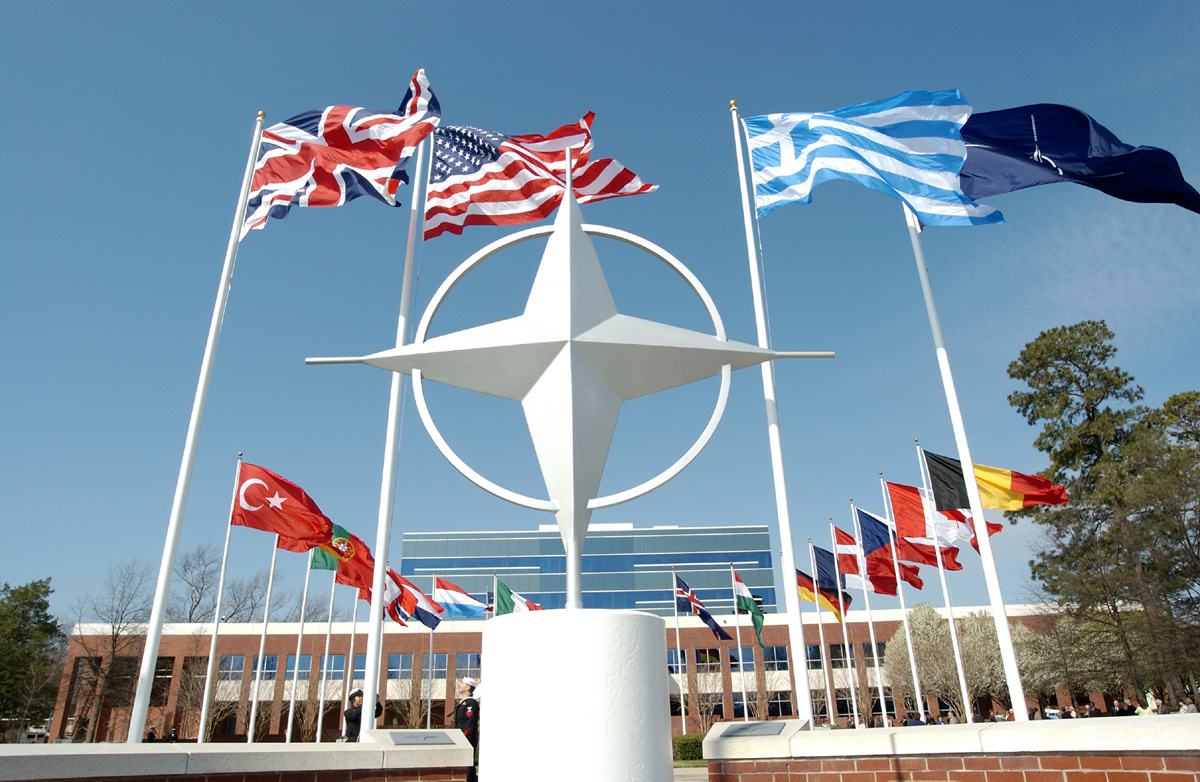
The size and duration of the warning zones have drawn attention from regional observers. The closure areas are significant, covering hundreds of square nautical miles of ocean for a period exceeding a week. While debris splashdowns are a standard part of orbital launches, the explicit 'impact area' designation and the scale of the restricted zones underscore the operational footprint of the launch just beyond NATO's northern flank.
Satellite Payload and Strategic Context
The mission is expected to carry a batch of Rassvet broadband communication satellites into orbit. These satellites are part of a Russian state initiative to build a low-Earth orbit internet network, a project positioned as a rival to systems like SpaceX's Starlink [1]. The development of such constellations has both commercial and strategic communications dimensions for Moscow.
The location of the exclusion zones adds a notable geopolitical layer. The Barents Sea is a region of increasing strategic competition, where Russian naval and aerospace activities frequently interact with NATO monitoring forces. The launch and its associated debris field will occur in waters that are partly within the Norwegian continental shelf area, adjacent to NATO territory [7]. This activity follows a pattern of Russia testing advanced aerospace systems in the Arctic, including hypersonic missiles launched from the Barents Sea [3].
Regional and Operational Reactions
The Barents Sea is one of the world's most productive fishing grounds, making extended maritime closures a significant concern for the fishing industries of Norway and other nations. The Norwegian Coastal Administration and other maritime authorities are expected to issue specific navigation advisories to commercial traffic operating in the region [6].
While debris zones for rocket launches are routine, the specific language and scope of these warnings have drawn analytical attention. The notifications were issued amid a broader context of heightened military and aerospace activity in the High North. Russian strategic bomber patrols and naval exercises in the Barents and Norwegian Seas have been a recurring feature of regional tensions [2]. Official statements from relevant maritime authorities regarding the navigation advisories are anticipated as the launch window approaches.
Conclusion
Russia's designation of missile impact zones in the Barents Sea for an upcoming Soyuz rocket launch highlights the continued intersection of space operations and Northern European security dynamics. The planned deployment of broadband satellites points to Moscow's ambitions in the strategic domain of space-based communications.
The extended warnings, lasting through April 30, will temporarily alter maritime activity in a key economic and strategic corridor. As global attention remains focused on conflicts elsewhere, this scheduled launch serves as a reminder of the persistent, routine military-technical activities that shape the security environment in the Arctic region.
References
- Russia mysteriously closes off waters for 'missile landing zone'. - Express.co.uk.
- Putin fuels World War III fears with deployment of nuclear capable bombers near NATO borders. - NaturalNews.com.
- Russia successfully test-fires new hypersonic cruise missile. - NaturalNews.com.
- The Navy 1939 to the present day. - Arthur Max.
- How the End Begins. - Ron Rosenbaum.
- Para-Evaluation of Emergency Preparedness in Offshore Operations Post-Rare Major Accidents. - Journal of Hazardous Materials. Jan Erik Vinnem.
- REACHING AGREEMENT ON INTERNATIONAL EXPLOITATION OF OCEAN MINERAL RESOURCES (WITH SPECIAL REFERENCE TO THE JOINT DEVELOPMENT AREA BETWEEN JAN MAYEN AND ICELAND). - Energy.
- (Based on analysis of standard maritime notification procedures described in the context).









Please contact us for more information.