
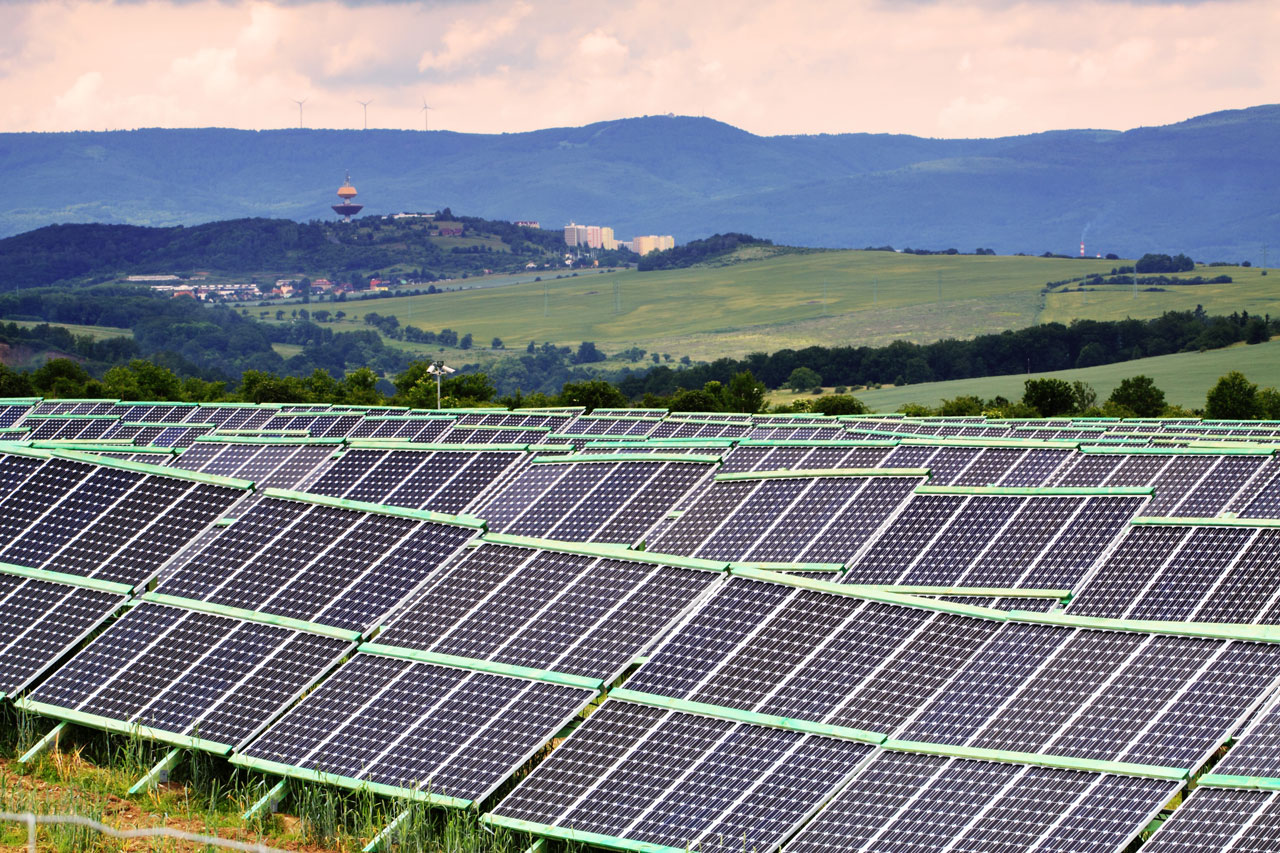
- The UK's electricity grid is at risk of instability this summer due to overproduction from solar power during periods of low demand.
- Grid operators may pay consumers to use excess electricity and order large power stations to shut down to prevent blackouts.
- The problem is exacerbated by a rapid, policy-driven expansion of solar capacity that outpaces grid modernization.
- Critics argue the situation reveals fundamental flaws in the net-zero transition's pace and planning, prioritizing ideology over grid reliability.
- The government defends the solar push as essential for energy security, despite rising costs and local opposition to large-scale projects.
In a stark illustration of the practical challenges facing the green energy transition, the United Kingdom’s electricity grid is preparing unprecedented measures to avoid being overwhelmed by its own solar power this summer. The National Energy System Operator (Neso) warned that sunny weather combined with low demand periods could create dangerous gluts of electricity, forcing it to potentially pay households to consume power and order traditional plants offline. This emerging crisis, driven by a policy-mandated surge in renewable capacity, exposes the growing tension between net-zero ambitions and the realities of maintaining a stable, reliable power supply.
A Grid Under Stress
The core of the problem is a fundamental mismatch between supply and demand, exacerbated by the intermittent nature of renewable energy. Grid instability occurs when solar farms generate large amounts of power during periods of traditionally low consumption, such as sunny weekend afternoons. If this excess supply is not balanced, it can damage infrastructure and trigger blackouts. Neso forecasts a 75% chance that national electricity demand will plunge to a record low of around 11 gigawatts during the late May bank holiday, while passive generation from wind and solar could simultaneously reach 18 to 19 gigawatts.
Compounding the issue is the grid's limited control over many of these new power sources. A significant portion of onshore solar and wind installations are not directly connected to the main transmission system and cannot be easily managed or curtailed by grid operators. This leaves Neso with a narrow set of reactive tools: paying larger, controllable power plants to turn off or, in a novel step, incentivizing consumers to ramp up their usage to absorb the surplus.
Policy Acceleration Meets Grid Reality
This operational dilemma is a direct consequence of accelerated government policy. Energy Secretary Ed Miliband has loosened planning rules and designated large renewable projects as “nationally significant,” allowing ministers to override local objections. His goal is to triple solar capacity by 2030 as part of Labour’s plan to achieve 95% clean power by the same date. Just last week, Miliband approved the UK’s largest solar farm to date—an 800-megawatt facility in Lincolnshire covering seven square miles, despite fierce local opposition comparing the industrial-scale project to Chernobyl.
The rapid rollout has succeeded in boosting capacity; solar on the grid has more than doubled to 22 gigawatts in the past decade. However, critics argue the infrastructure and market mechanisms needed to integrate this volatile supply have not kept pace. The result is a system where green energy, in certain conditions, becomes a liability rather than an asset.
The Mounting Cost of Constraint
The financial implications are substantial. To maintain balance, grid operators make "constraint payments" to energy producers—often including renewable generators—to reduce their output. According to recent reports, these payments cost £650 million in 2025 and are projected to soar to £8 billion annually by 2030. These costs are ultimately borne by consumers through energy bills, creating a paradoxical situation where subsidies for green energy contribute to higher household expenses.
Energy consultants warn the situation raises serious questions about the strategy behind the renewables build-out. “Why the hell do we keep building more solar if we’re already at a position where we’re generating more electricity than we need?” asked independent consultant Kathryn Porter. “That is only going to make this problem worse.” This sentiment highlights a growing critique that the net-zero transition is being pursued without sufficient regard for engineering realities and economic efficiency, prioritizing installed capacity over system reliability.
Historical Context and Future Risk
The present challenges echo warnings from energy security advocates who have long argued that an over-reliance on intermittent renewables, without adequate baseload backup or grid modernization, compromises national resilience. The UK’s predicament—paying to waste power while simultaneously risking instability—serves as a case study in the unintended consequences of top-down energy policy. It recalls incidents like the 2023 blackouts in Spain, which were triggered by a chain reaction involving solar farms, demonstrating the real-world risk of grid management failure.
While the government maintains that accelerating home-grown clean power is the best long-term defense against volatile fossil fuel markets, as evidenced by the ongoing Middle East conflict, the immediate picture is one of a grid struggling to adapt. The promise of energy independence is being tested by the practical difficulty of controlling and distributing the power being produced.
An Unstable Balance
As summer approaches, the UK finds itself in a precarious position. The very success of its solar expansion has created a new genre of energy crisis: not one of scarcity, but of unmanageable plenty. The plan to pay consumers to use electricity—turning the traditional demand-supply model on its head—is a temporary fix for a structural problem. It underscores a central irony of the current net-zero pathway: the pursuit of energy security through weather-dependent sources is, in the short term, creating new forms of grid insecurity and imposing significant costs on the public. The coming months will test whether the grid can weather the sunniest days, and whether political commitments can bend to the inflexible laws of physics and economics.
Sources for this article include:









Please contact us for more information.