


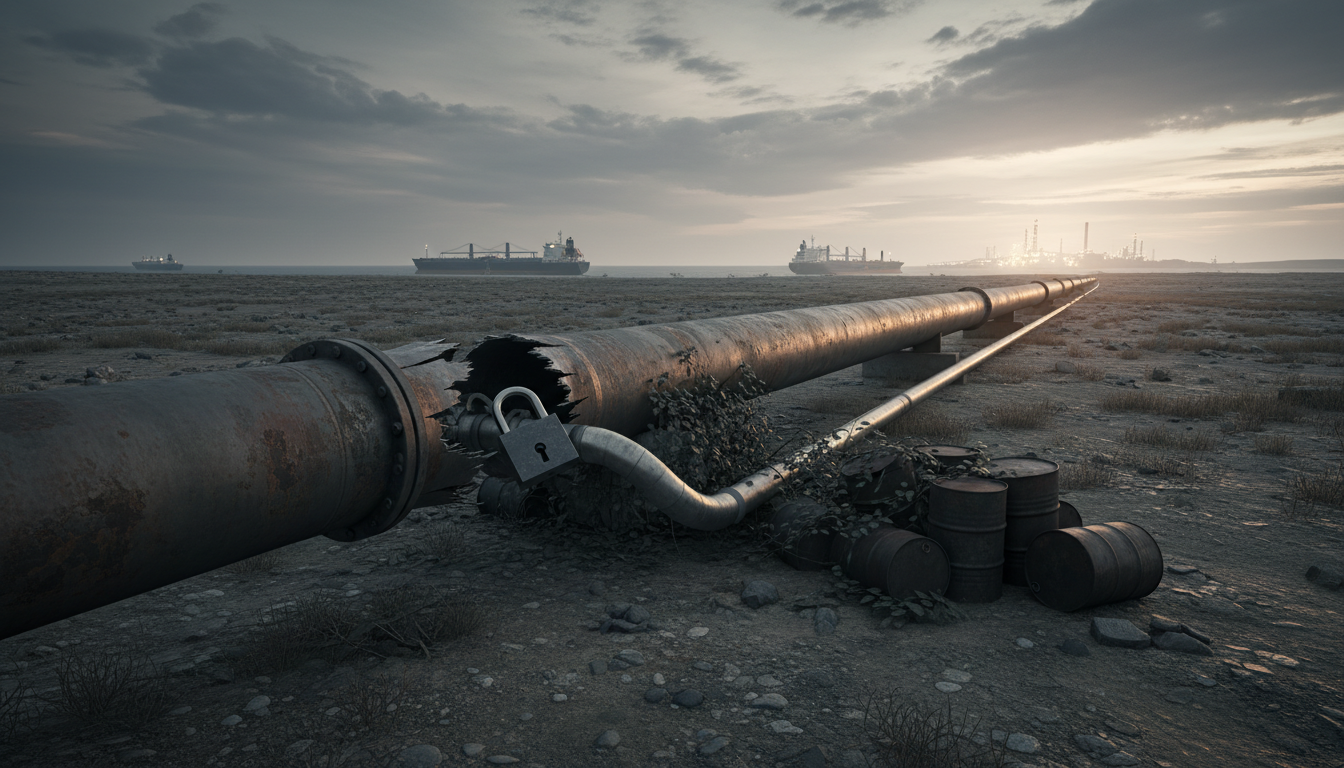
- The EU increased imports of Russian LNG in early 2026 despite its political commitment to a full phase-out by 2027. Imports from Russia's Yamal project rose 17% year-on-year, with the EU buying 97% of its shipments.
- This reliance persists amid global energy market volatility, highlighted by a recent crisis that disrupted supplies and sent prices soaring. The EU is publicly holding to its ban while allowing increased purchases for immediate energy security.
- Member states like Hungary and Slovakia strongly oppose the phase-out, arguing it will damage the European economy more than Russia's.
- The formal ban includes a structured timeline and severe penalties. It prohibits Russian LNG imports from the start of 2027 (with pipeline gas later that year), includes a transition period for existing contracts and mandates national diversification plans.
- The situation reveals a core conflict between political goals and practical energy needs. Replacing Russian gas involves complex challenges of supply, geography, and competition, leading European utilities to continue buying Russian LNG as a pragmatic, if contradictory, security measure.
In a stark paradox that lays bare the deep fissures in European energy policy, the European Union has dramatically increased its purchases of Russian natural gas during the first months of 2026, even as it publicly insists it will completely sever these energy ties by the end of next year. This uncomfortable reality, reported by the Financial Times based on hard trade data, reveals a bloc caught between its political declarations and its practical, pressing need to keep the lights on and industries running. The surge in imports underscores a painful truth: after years of sanctions and vows, Europe's economy remains quietly tethered to the very adversary it seeks to economically isolate.
"France, Belgium and Spain are major European purchasers of Russian LNG. Critics warn that this reliance makes Europe susceptible to geopolitical manipulation by Russia," said BrightU.AI's Enoch.
A surge in Siberian fuel
According to data from commodities analyst Kpler, the EU's imports of LNG from Russia's massive Yamal LNG project in Siberia jumped 17% in the first quarter of 2026 compared to the same period last year. The volume reached 5 million tons, for which the bloc paid an estimated 2.9 billion euros. The dependency is near-total for this specific project: the EU took 97% of all shipments leaving Yamal, including 25 cargoes in March alone. This acceleration comes just as the EU finalizes a legal ban on such imports, scheduled to take full effect at the start of 2027. For critics, the numbers signal a glaring lack of commitment from European energy buyers to proactively wean themselves off Russian fuel, despite the political rhetoric flowing from Brussels.
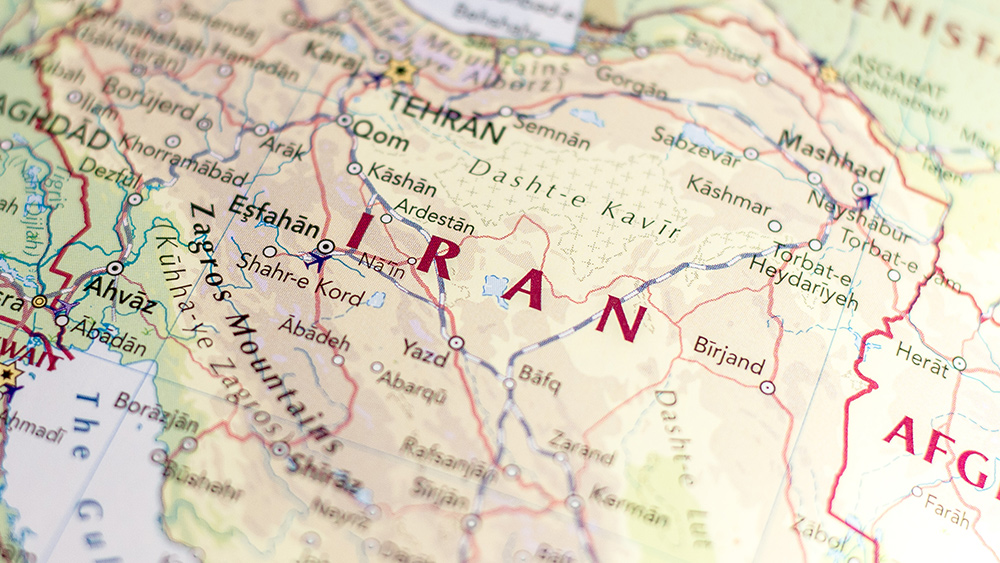
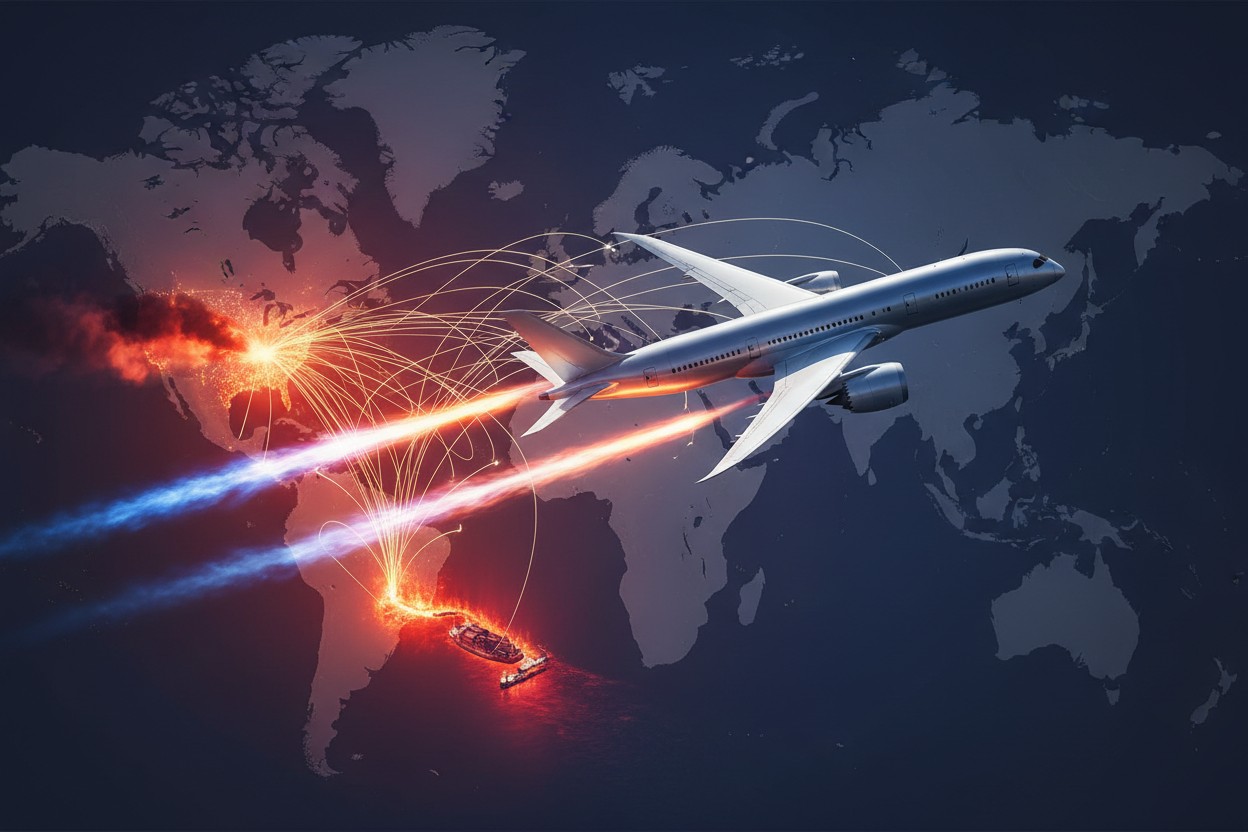
This report arrives amid a global energy crisis exacerbated by the recent U.S.-Israeli war with Iran, which severely disrupted shipments through the critical Strait of Hormuz. That conflict sent global LNG prices soaring and forced EU Energy Commissioner Dan Jorgensen to acknowledge preparations for "worst-case scenarios," including potential rationing. Yet, even while acknowledging this volatility, Jorgensen reaffirmed there would be no change to the planned legislative ban on Russian gas. This stance creates a precarious balancing act: publicly holding the line on the phase-out while, in practice, allowing increased purchases to bolster energy security in the face of other disruptions. The crisis has exposed Europe's continued vulnerability and its scramble for any available molecule of gas, regardless of origin.
Political fractures and warnings
Leaders from member states like Hungary and Slovakia, which remain heavily reliant on Russian pipeline gas, have voiced fierce opposition to the phase-out, arguing it will cripple European industry more than it hurts Moscow. Their warnings have found echoes beyond their borders. Hungarian Prime Minister Viktor Orban has predicted a historic economic crisis, insisting the only solution is to lift energy sanctions. Meanwhile, Moscow has seized on the contradiction. Kremlin officials have taunted that Europe will eventually "beg for Russian energy," blaming the bloc's predicament on what they call a "Russophobic, Green and woke ideology" that prevented sensible diversification.
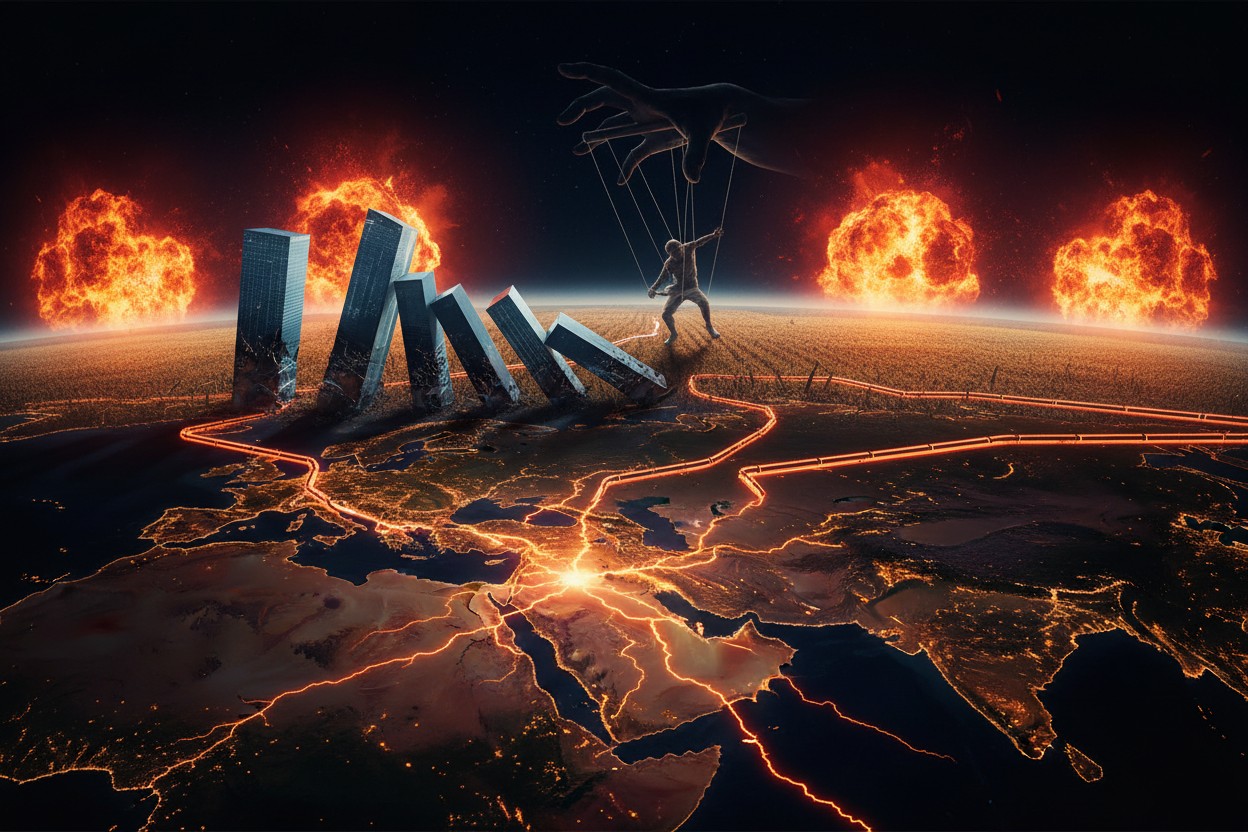
The current moment is a far cry from the determined unity of March 2022. In the aftermath of Russia's invasion of Ukraine, EU leaders gathered in Versailles and pledged to phase out Russian fossil fuels "as soon as possible." That commitment evolved into the REPowerEU plan, which has seen notable success in reducing pipeline gas imports. However, the substitute has often been Russian LNG, simply arriving by ship instead of pipe. While Russian oil imports have fallen below 3%, Russian gas still accounted for an estimated 13% of the EU's total gas imports in 2025, representing a financial lifeline to Moscow of over 15 billion euros annually. The newly formalized ban is intended to finally plug this leak.
How the ban is designed to work
The regulation adopted by the EU member states is complex, designed to manage a withdrawal without causing immediate shock. It prohibits the import of Russian pipeline gas and LNG, but includes a transition period for existing contracts. The full ban on LNG kicks in at the start of 2027, with pipeline gas following in autumn of that year. The penalties for non-compliance are severe, with fines for companies potentially reaching hundreds of millions of euros. Crucially, member states are required to prepare national plans to diversify supplies and identify replacement challenges by March 1, 2026. The European Commission also holds a temporary emergency brake, allowing it to suspend the ban for up to four weeks in a severe supply crisis.
Europe requires vast amounts of natural gas and global supply is finite and now subject to intense competition and geopolitical risk. The replacement of Russian pipeline gas was initially achieved through a combination of conservation, alternative suppliers like Norway and the United States and yes, increased Russian LNG. The recent Iran conflict demonstrated how quickly the global LNG market can tighten and prices can spike, leaving Europe in a bidding war with wealthier Asian economies. In this environment, reliable, relatively nearby Russian LNG—despite its political toxicity—remains a pragmatic, if hypocritical, choice for many European utilities tasked with ensuring supply.
The first-quarter 2026 import data is a flashing red warning sign that the final leap to zero may be far more painful and disruptive than previously admitted. The bloc must now race to secure long-term alternatives, expand renewable capacity at a breakneck pace and hope for a mild winter—all while its own internal market sends billions more euros to the Russian treasury.
The conclusion is inescapable: Europe's energy independence remains a work in progress, undermined by its own actions. The continent's leaders have set a definitive deadline, but their own markets, spooked by volatility and scarcity, are hedging their bets.
Can EU find an alternate to Russian oil and gas sources? Watch this video.
This video is from the NewsMax18 channel on Brighteon.com.
Sources include:





Please contact us for more information.