


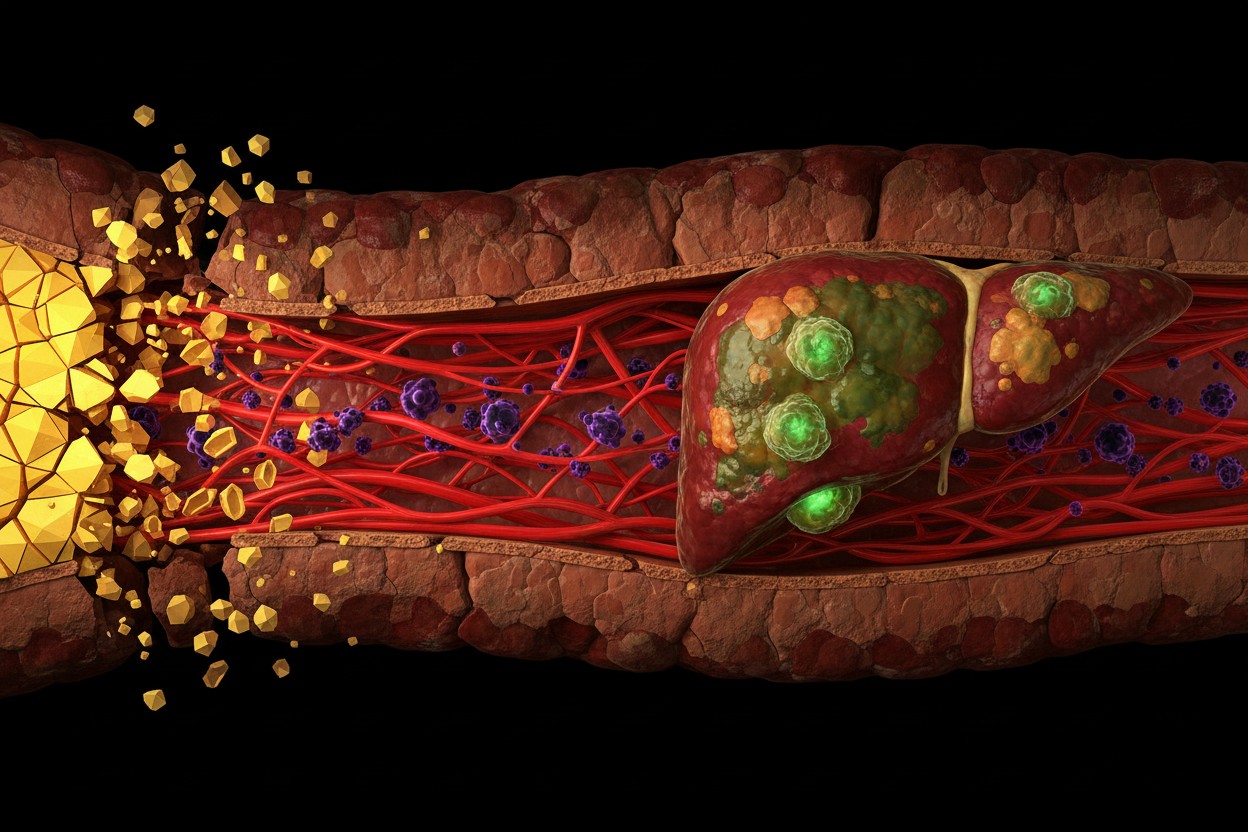
A silent epidemic of colon cancer is rewriting the medical textbooks, striking down individuals in the prime of their lives while their concerns are often brushed aside. Colon cancer, long considered a disease of the elderly, is now a rapidly growing threat to younger generations, with diagnosis rates soaring among those under 50. Medical professionals are issuing urgent warnings that classic symptoms are being tragically ignored by patients who believe they are "too young" for such a diagnosis and by healthcare systems slow to recognize the shifting demographic. The consequences are devastating, turning a highly treatable condition into a life-or-death crisis. This alarming trend demands immediate public attention to the body's early warning signals.
Key points:
- Colon cancer incidence is rising sharply in adults under 50, defying traditional risk-age assumptions.
- Key symptoms like rectal bleeding, persistent changes in bowel habits, and unexplained weight loss are frequently dismissed by younger patients.
- Medical experts stress that no one is "too young" for colon cancer and that early detection is paramount for survival.
- Personal testimonies reveal a pattern of misdiagnosis, where symptoms were initially attributed to less serious conditions like hemorrhoids.
- Advocacy from public figures and survivors highlights the urgent need for increased awareness and proactive screening in younger demographics.
Rise of colon cancer in young people
The American Cancer Society reports that over 108,860 new cases of colon cancer have been diagnosed this year alone. Notably, colorectal cancer is now the leading cause of cancer deaths in men under 50 in the United States and the second leading cause in women of the same age group. Experts project a rise of more than 140 percent in this young-onset demographic by 2030, with cases even appearing in people as young as 21.
This surge is coupled with a dangerous gap in awareness. Dr. Amir Khan, a physician featured on ITV's This Morning, has publicly addressed the shift, stating, "We are seeing younger people getting diagnosed with bowel cancer right across the board, particularly in wealthier countries." He attributes the rise to lifelong factors starting in childhood, including diets high in ultra-processed foods and sugary drinks, combined with increasing rates of obesity and sedentary lifestyles.
Recognizing the silent signals
The central challenge in combating this trend is symptom recognition. The signs of colon cancer are often subtle and easily mistaken for common, benign issues. Jeremy Clark, a consultant general surgeon at Nuffield Health in Brighton, emphasizes that symptoms "all cross over with other less serious problems, such as hemorrhoids or irritable bowel syndrome (IBS), so people often ignore or easily dismiss them."
Medical guidelines highlight several symptoms that warrant immediate medical consultation. These include any persistent change in bowel habits, such as new constipation, diarrhea, or looser stools. Rectal bleeding or blood in the stool is a major red flag; the blood may appear bright red or dark and tarry. Other warning signs include unexplained abdominal pain or bloating, a persistent feeling that the bowel has not emptied completely, unexplained weight loss, and constant fatigue or breathlessness from anemia caused by internal bleeding.
The tragic cost of dismissal is etched in patient stories. One mother, Kelly, recounted seeking help years before her diagnosis after noticing blood in her stool. Her doctor told her she was "too young for colon cancer" and suggested it was hemorrhoids. By the time she was correctly diagnosed, the cancer had advanced to stage 4. Similarly, Mrinali Dhembla, diagnosed at 26, experienced months of aggravating back pain and fatigue before learning she had stage three colon cancer that had spread to her spine. Her first instinct was disbelief: "I said, 'That's not possible. I'm just 26 years old.'"
Improving awareness and early action strategies is critical
The medical community is striving to correct this knowledge gap. Simone Ledward Boseman, widow of actor Chadwick Boseman who died from colon cancer at 43, has become a vocal advocate. Speaking at the Dana-Farber Cancer Institute, she stated, "Colorectal cancer is killing young people across the country, and most are vastly underestimating their risk... We who have this knowledge have an obligation to inform our fellow man. Spreading awareness will save lives."
The consensus among experts is clear: listening to one's body and acting swiftly on persistent changes is critical. Clark advises the public not to "sit on the symptoms." Early-stage colon cancer is highly treatable, often through surgery alone. The prognosis declines sharply once the disease spreads. This reality makes awareness of early signs, coupled with the courage to seek a second opinion if symptoms persist, the most powerful tools currently available to reverse this disturbing trend among younger adults.
Many times, surgery is not enough to cull the cancer. The conditions that allowed the cancer to take hold in the first place are oftentimes never corrected. An awareness of outpatient lifestyle changes are necessary for long term recovery and thriving. Some of the first steps one can take include:
- Eliminate processed meats (bacon, sausage, deli meats) and limit red meat consumption.
- Avoid sugary drinks and highly processed snacks that contribute to inflammation and weight gain.
- Prioritize fiber at every meal. Include sources like oats, beans, lentils, berries, and broccoli.
- Pump the body full of organic juices, starting with things like carrots.
- Incorporate a variety of colorful fruits and vegetables to benefit from a wide range of antioxidants and phytochemicals.
- Use a rebounder (trampoline) to help lymphatic flow.
- Choose whole grains (brown rice, quinoa, whole-wheat bread) over refined grains.
- Use healthy cooking oils like olive oil and avocado oil, and avoid reused or overheated fats.
- Eat food and extracts that have a proven track record of being anti-cancerous, like sulforaphane and resveratrol.
Cancer can strike at any age, especially for young adults who grew up on a diet of processed foods, sugary drinks, and lunch meats that created the conditions for cancer to take hold. It's not too late to break the food addictions, reverse the patterns, and get ahead of the cancer before it takes hold.
Sources include:








Please contact us for more information.