


- Digestion is essential but often overlooked. It works quietly when healthy, but issues like bloating, constipation and pain are common and can significantly affect daily life.
- Digestion begins in the brain, continues through the stomach and intestines, and is controlled by the "second brain" (enteric nervous system).
- Your gut impacts overall health. Beyond digestion, it plays a key role in immunity, detoxification, hormone balance and even mental health through the gut-brain connection.
- Common digestive problems have root causes. Symptoms like bloating, constipation, diarrhea and low stomach acid are often linked to diet, stress, poor digestion or imbalanced gut bacteria.
- Simple habits can improve gut health. Eating mindfully, staying hydrated, choosing whole foods, identifying triggers, supporting gut bacteria and managing stress can greatly enhance digestion and overall well-being.
It's easy to take digestion for granted – until something goes wrong. When your gut is working properly, it operates quietly in the background, breaking down food and absorbing nutrients without discomfort. But for many people, digestive issues like bloating, gas, constipation and abdominal pain are an everyday struggle that can disrupt work, sleep and overall quality of life.
Understanding how your digestive system works and how to support it can make a powerful difference in your health.
Digestion begins before you even take a bite. The mere thought of food signals your brain to prepare your gut, triggering the release of digestive enzymes and acids. Once you start eating, your teeth and saliva begin breaking food down into smaller particles.
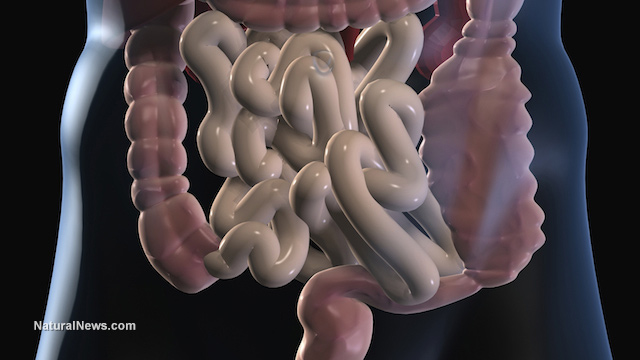
From there, food travels down the esophagus to the stomach, where it's mixed with acid and enzymes that break down proteins, fats and carbohydrates. This mixture, called chyme, then moves into the small intestine – a remarkably long organ with a surface area comparable to a tennis court. Here, nutrients are absorbed into the bloodstream.
The remaining waste travels to the large intestine, where water is reabsorbed and beneficial gut bacteria ferment fiber into compounds that support energy production and reduce inflammation. Finally, waste is eliminated through bowel movements.
This entire process is coordinated by the enteric nervous system, often called the "second brain," which controls digestion independently while constantly communicating with your actual brain.
Your gut's role beyond digestion
Your digestive system does far more than process food. It plays a central role in several critical functions:
- Immune defense: Over two-thirds of your immune system resides in your gut, helping protect against harmful bacteria and toxins.
- Detoxification: The liver and intestines work together to eliminate waste and toxins from your body.
- Hormonal balance: Gut bacteria help regulate hormones, including those related to metabolism and mood.
- Mental health: The gut-brain connection means digestive health can influence stress levels, mood and even cognitive function.
In short, a healthy gut is foundational to overall wellness.
Common digestive issues and what they mean
Digestive discomfort often stems from a few underlying causes: poor diet, low digestive enzyme production, imbalanced gut bacteria or chronic stress. Here are some of the most common symptoms and how to address them:
Bloating
Frequent bloating isn't normal. It may result from gas-producing foods, poor digestion or an imbalance in gut bacteria. Eating slowly, chewing thoroughly and reducing trigger foods like dairy, artificial sweeteners and certain fibers can help. Herbal teas like peppermint or chamomile may also ease symptoms.
Constipation
Often defined as fewer than three bowel movements per week, constipation can be caused by dehydration, low fiber intake or sluggish gut motility. Increasing water, eating more vegetables and incorporating healthy fats can support regularity. Gentle movement, like daily walking, also helps stimulate digestion.
Diarrhea
This may be due to infections, food sensitivities or gut inflammation. Persistent diarrhea should be evaluated by a healthcare provider. In the meantime, focus on hydration, probiotics and easily digestible foods like soups and cooked vegetables.
Low stomach acid
Symptoms like bloating, reflux and difficulty digesting protein may point to insufficient stomach acid. Stress and long-term use of acid-blocking medications are common contributors.
How to improve your digestive health
Supporting your gut doesn't have to be complicated. Start with these foundational habits:
- Eat mindfully: Slow down, chew thoroughly and avoid distractions while eating.
- Stay hydrated: Water is essential for digestion and bowel regularity.
- Prioritize whole foods: Focus on vegetables, fruits, healthy fats and quality protein.
- Identify trigger foods: An elimination diet can help pinpoint sensitivities.
- Support your microbiome: Include fiber-rich foods and consider probiotics if needed.
- Manage stress: Chronic stress disrupts digestion through the gut-brain connection.
Your digestive system is more than just a food-processing machine – it's a cornerstone of your overall health. From immunity to mental well-being, nearly every system in your body is connected to your gut.
When you learn to listen to your body and support your digestion through proper nutrition and lifestyle habits, BrightU.AI's Enoch noted that you can reduce discomfort, improve energy and feel your best every day.
Watch a discussion on the benefits of good gut bacteria and its effect on good sleep.
This video is from TheDopamineRevolution channel on Brighteon.com.
Sources include:












Please contact us for more information.